About Los Adaes State Historic Site
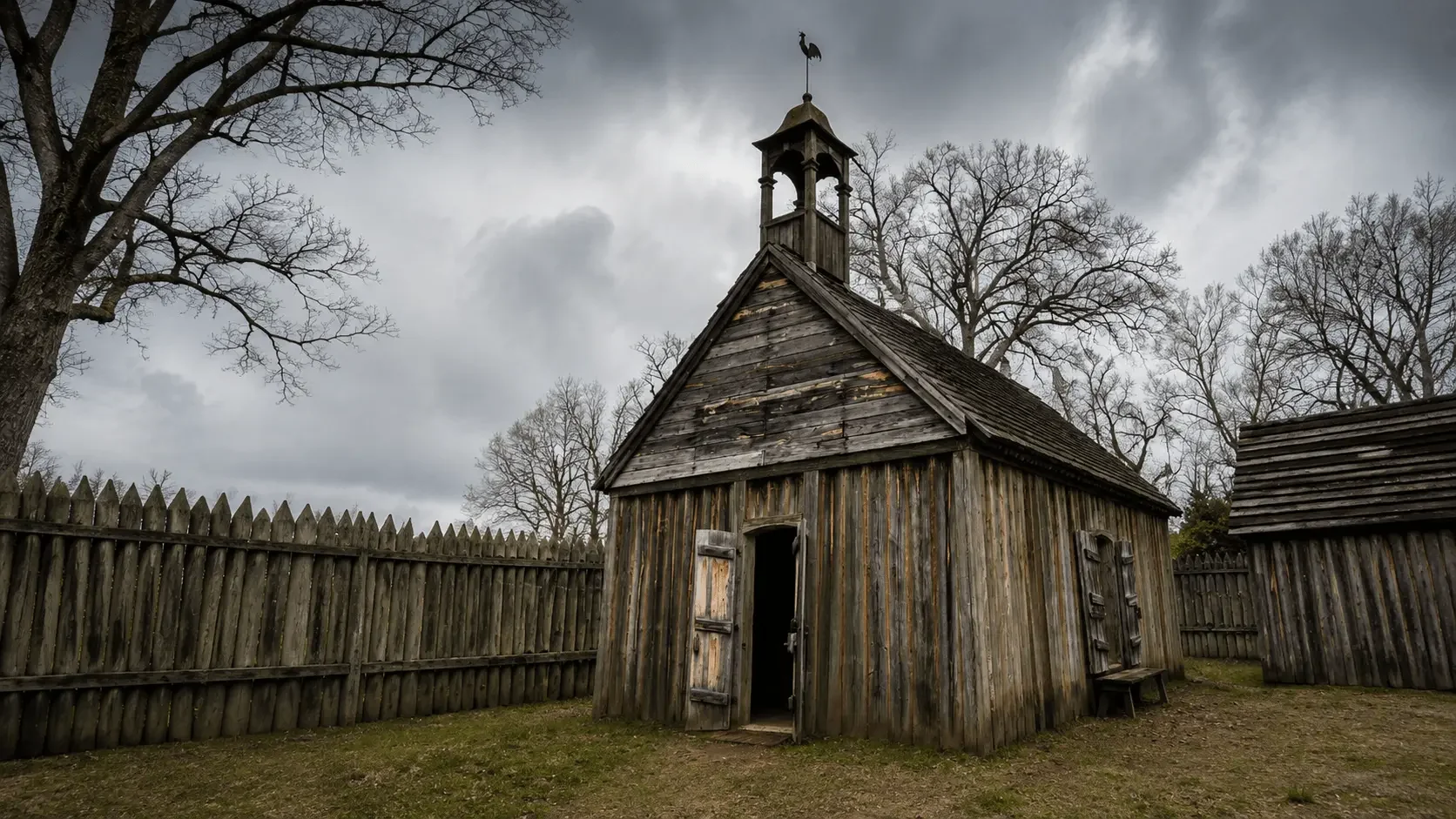
Los Adaes State Historic Site preserves the archaeological remains of Presidio Nuestra Señora del Pilar de Los Adaes and the associated Spanish mission on the eastern edge of New Spain. Established in the early eighteenth century in response to French expansion from nearby Natchitoches, Los Adaes became the capital of the Spanish province of Texas in 1729 and remained its administrative center for more than four decades. Its history is especially important because it reveals a frontier shaped not only by imperial rivalry but by trade, diplomacy, intermarriage, and daily exchange among Spanish settlers, French neighbors, and Caddo peoples.
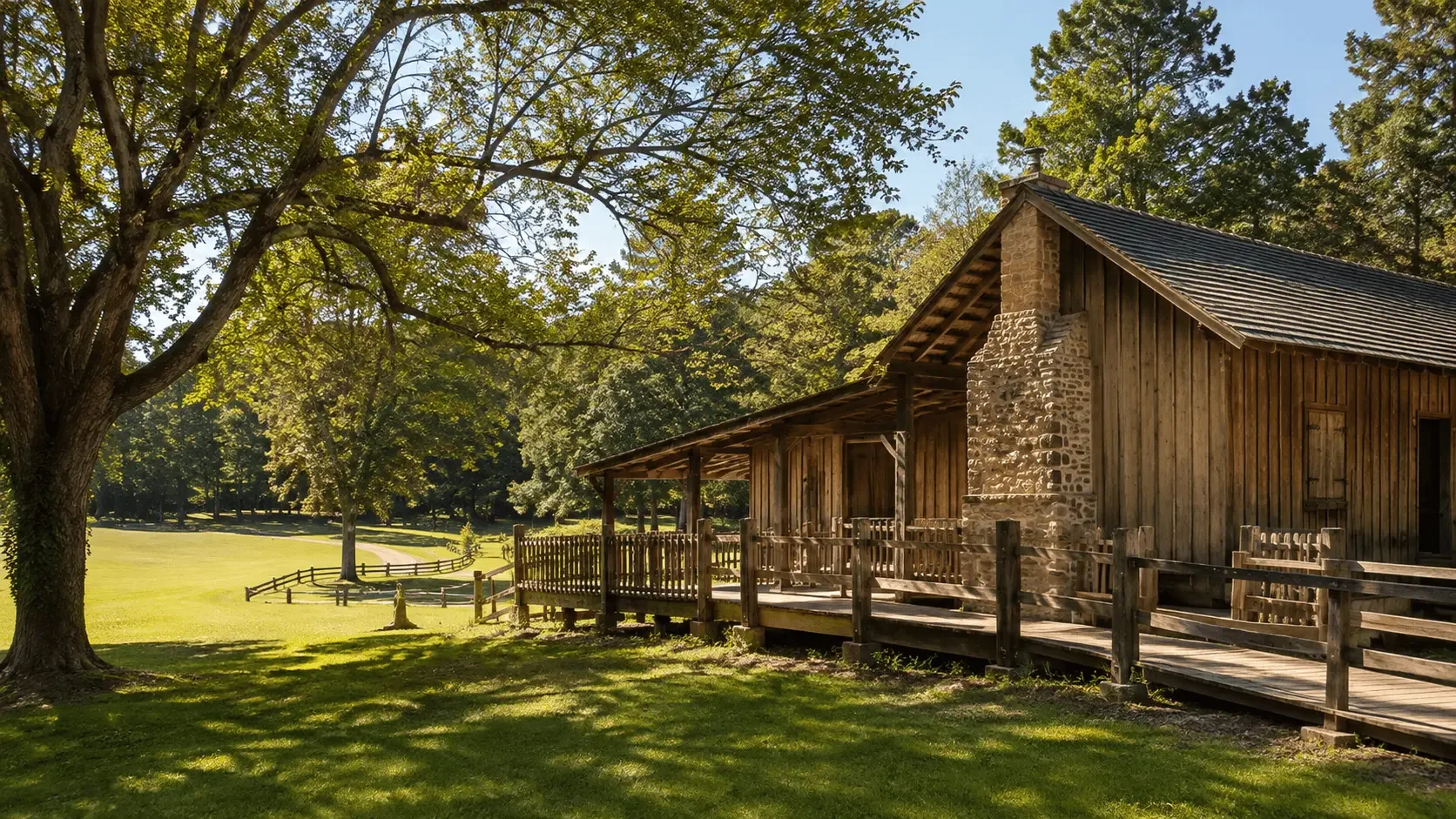
Visitors can walk the former presidio grounds, follow interpretive trails, and learn from archaeological evidence and museum displays about life in this remote colonial outpost. The site’s surviving landscape and recovered artifacts make the political geography of eighteenth-century Louisiana and Texas tangible, while its National Historic Landmark status reflects its importance to the history of Spanish colonization and the El Camino Real de los Tejas corridor. It is a rewarding stop for travelers interested in archaeology, colonial borderlands, and the layered Native, Spanish, and French history of the region.