Loading historical events

Loading historical events
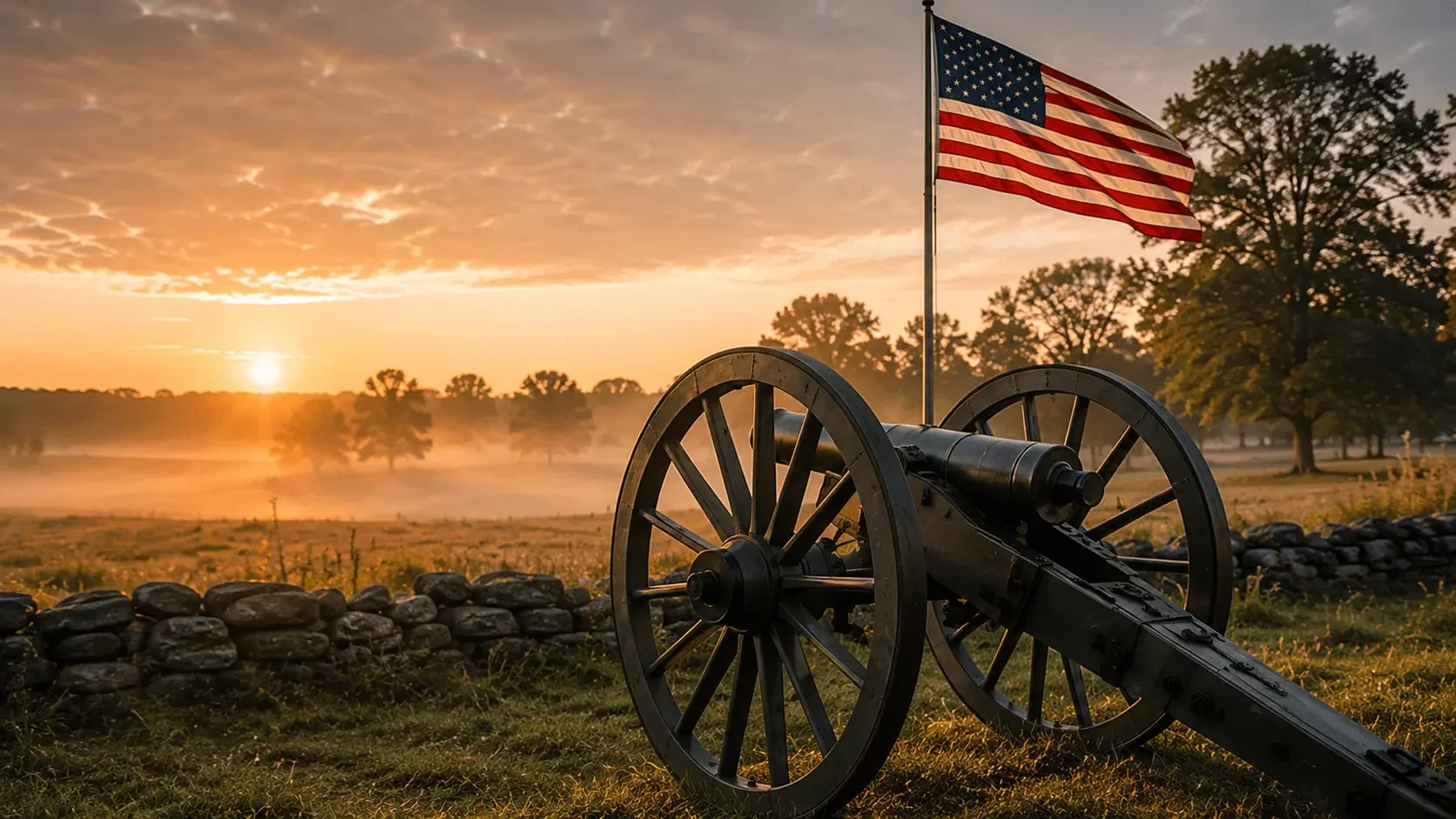
Discover the battles, declarations, discoveries, and defining moments that shaped America.
24 events
1565
Age of Exploration
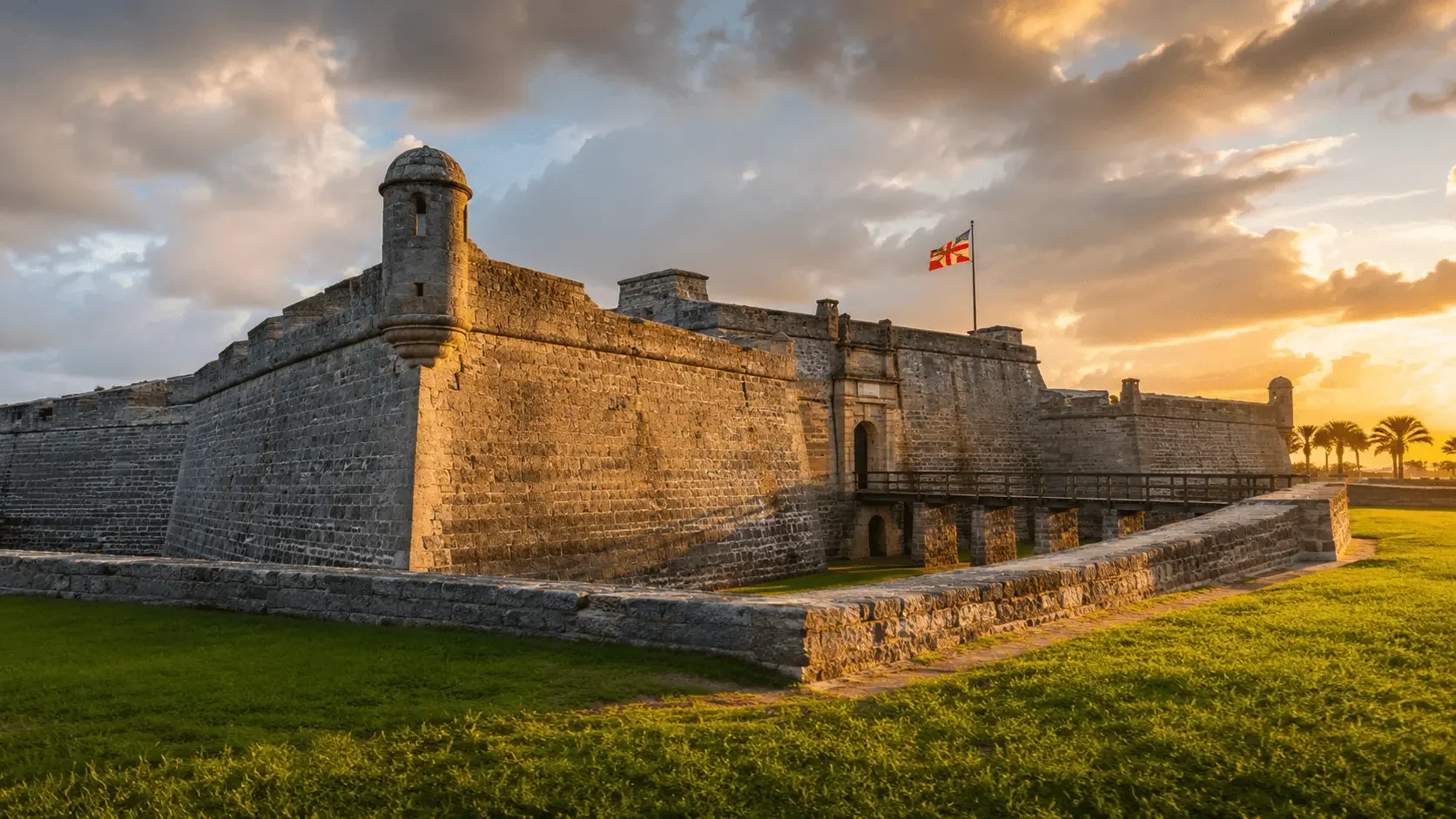
Pedro Menéndez de Avilés established St. Augustine on Timucua land in 1565, creating Spain’s first enduring Florida colony and the oldest continuously occupied European-established settlement in the continental United States.
Explore Event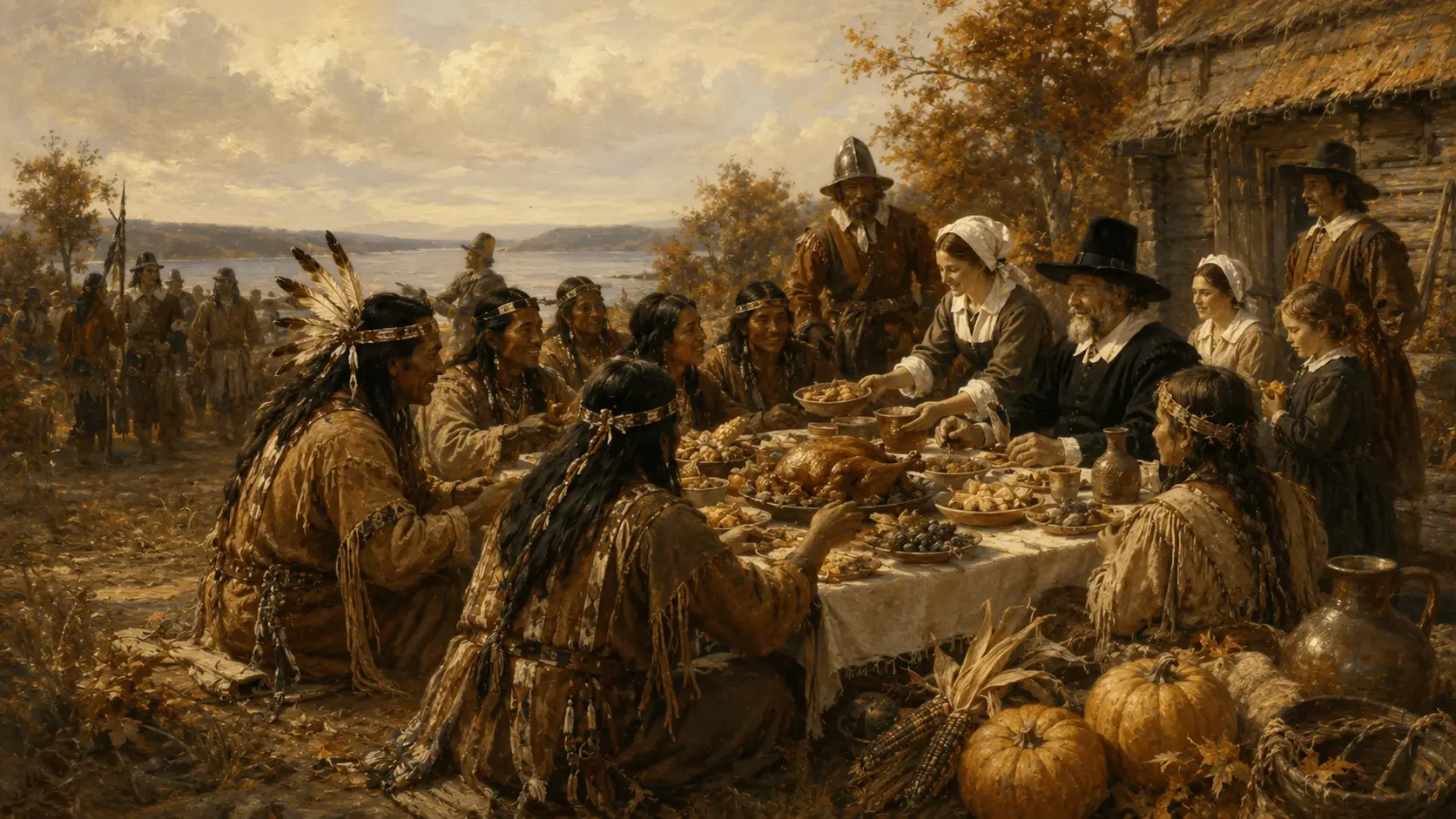
1621
Colonial America
Plymouth colonists and about ninety Wampanoag men participated in a three-day 1621 harvest gathering whose later transformation into a national origin story often obscured Wampanoag diplomacy and experience.
Explore Event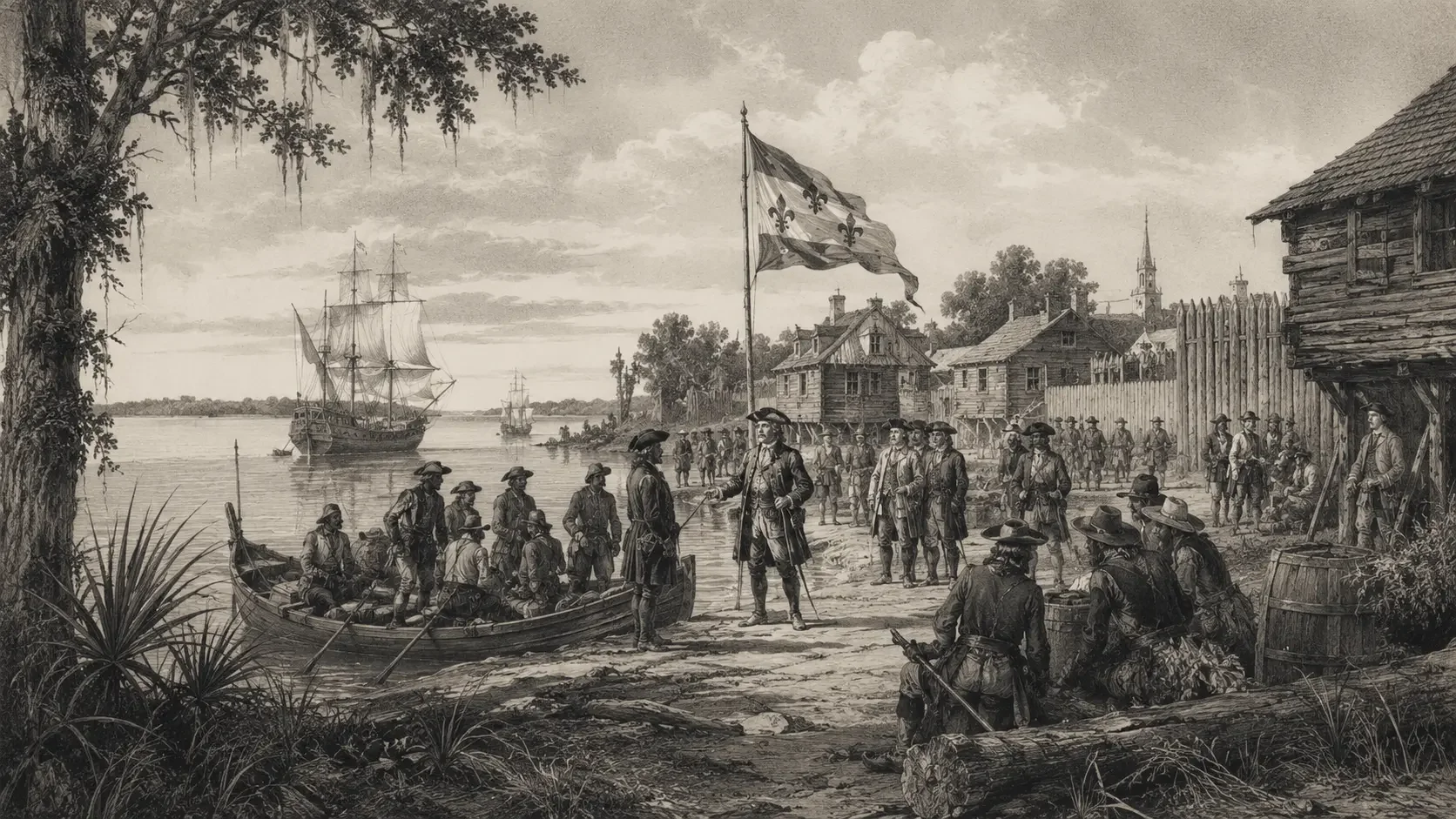
1718
Colonial America
Jean-Baptiste Le Moyne de Bienville founded New Orleans in 1718 at a strategic Mississippi River site long used by Indigenous peoples, establishing a colonial port that became central to the Gulf South.
Explore Event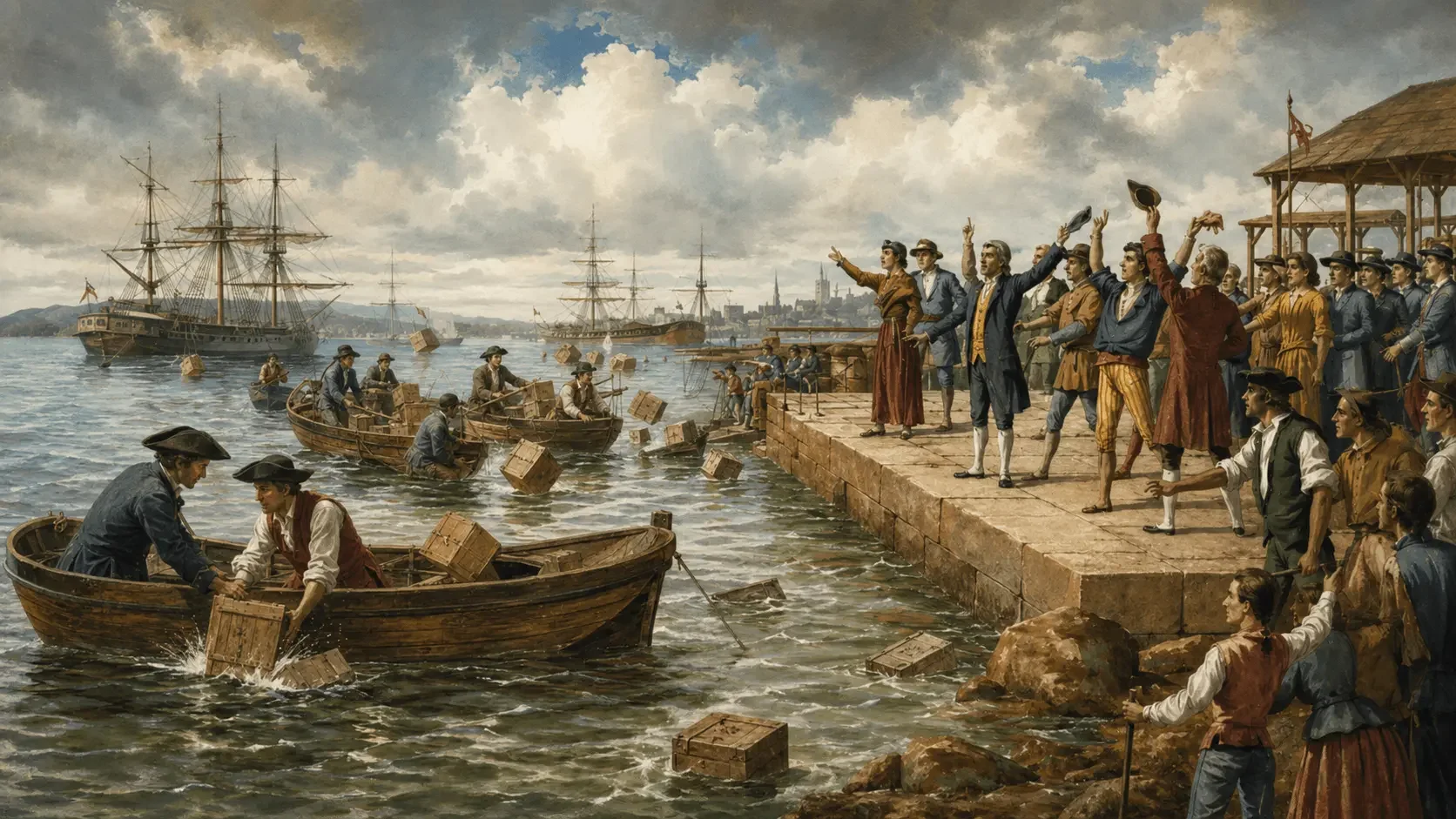
1773
Revolutionary War
Boston colonists destroyed 342 chests of East India Company tea in December 1773, provoking punitive British legislation that deepened intercolonial resistance and accelerated the crisis leading to revolution.
Explore Event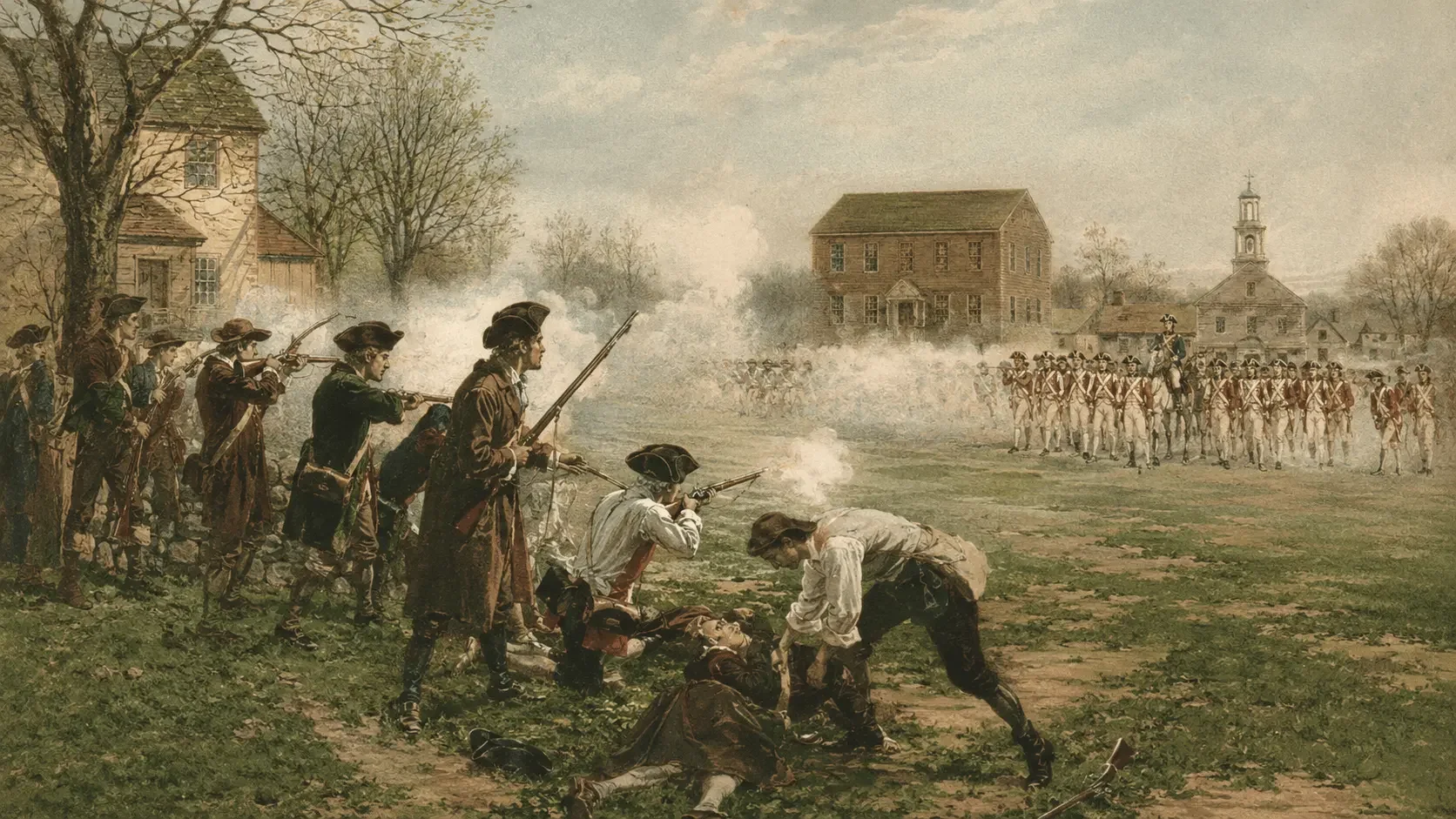
1775
Revolutionary War
British regulars and Massachusetts militia fought at Lexington, Concord, and along the Battle Road on April 19, 1775, beginning open warfare in the American Revolution.
Explore Event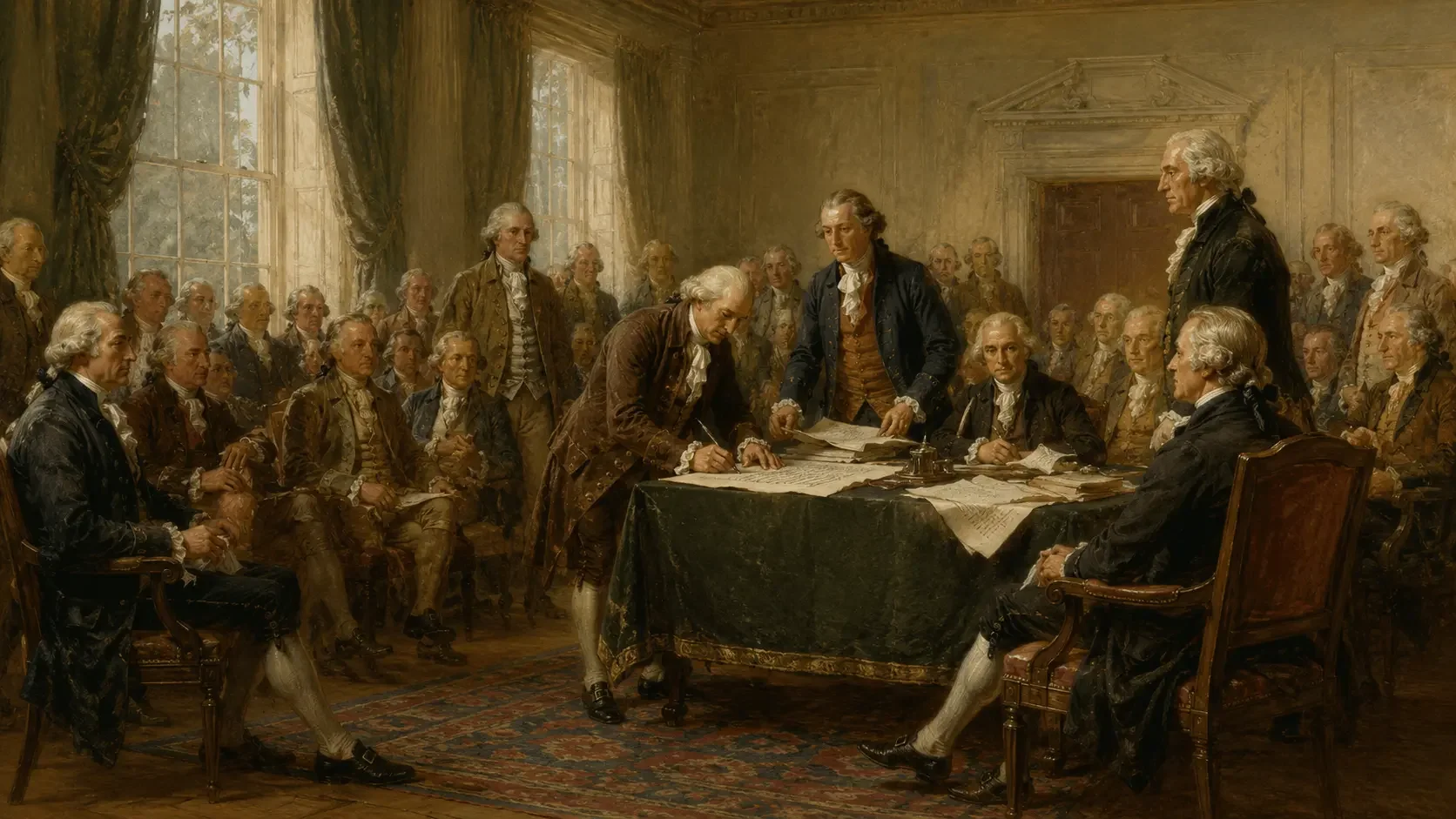
1776
Revolutionary War
The Continental Congress adopted the Declaration of Independence on July 4, 1776, publicly explaining the colonies’ break from Britain and asserting principles of natural rights and government by consent.
Explore Event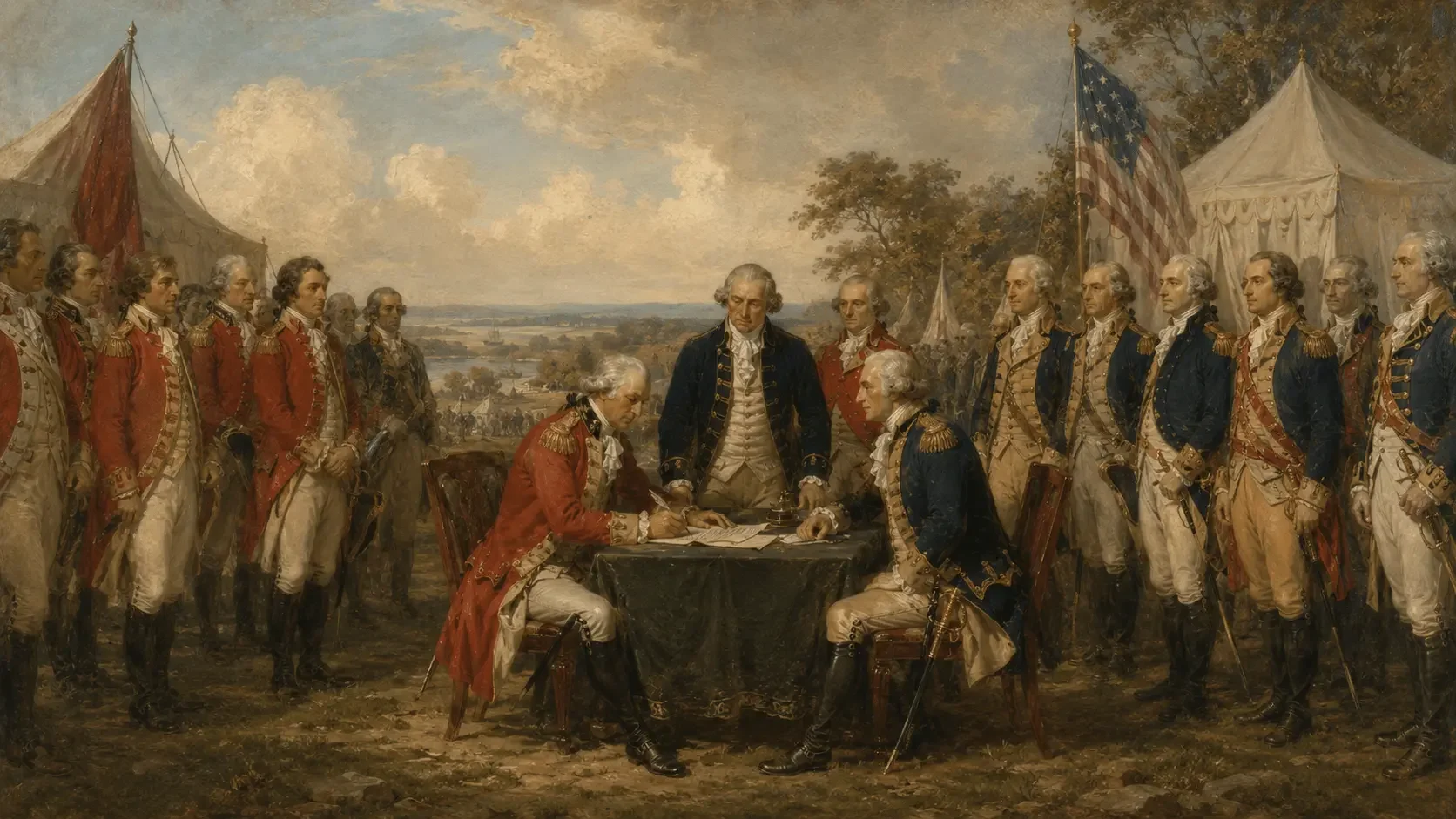
1781
Revolutionary War
American and French forces trapped Lord Cornwallis at Yorktown in 1781, forcing a British surrender that ended most major fighting and opened the way to peace negotiations.
Explore Event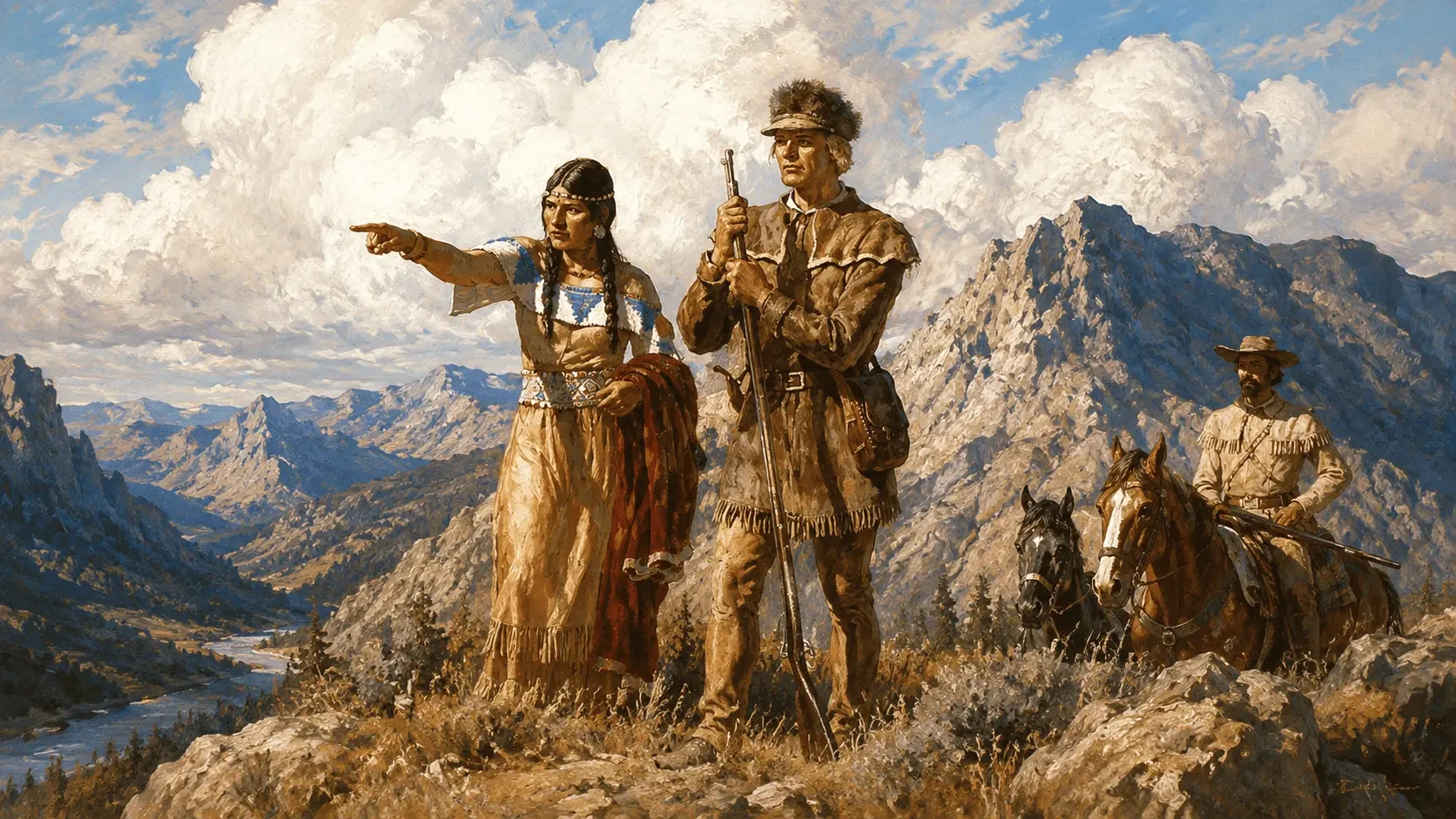
1804–1806
Early American Republic
The Corps of Discovery crossed the continent from the Missouri River to the Pacific, mapping western geography, gathering scientific information, and conducting diplomacy across the homelands of many Native nations.
Explore Event
1836
Westward Expansion
Mexican forces under Antonio López de Santa Anna captured the Alamo after a thirteen-day siege in 1836, killing its defenders and creating a rallying symbol during the Texas Revolution.
Explore Event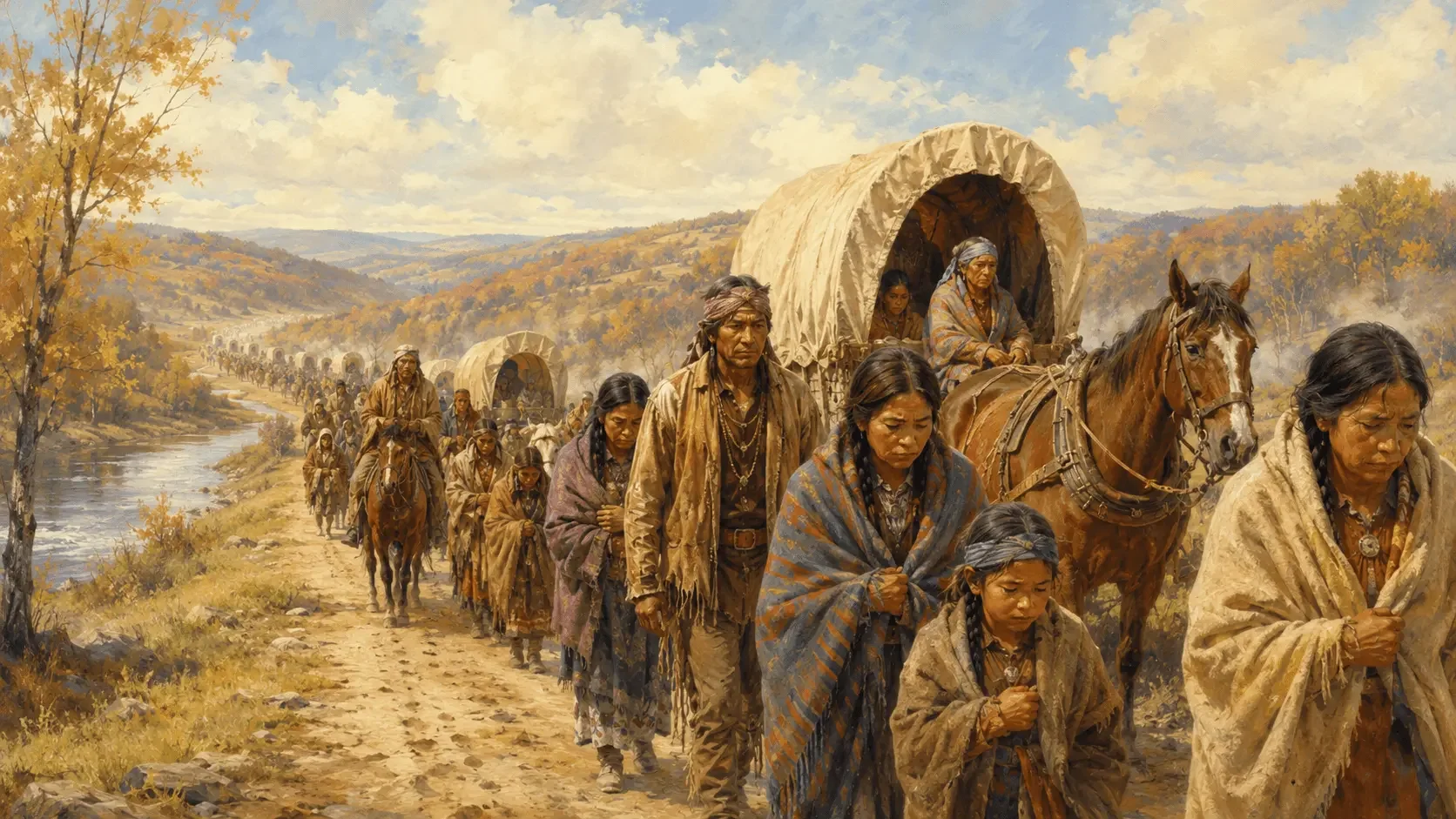
1838–1839
Westward Expansion
The Trail of Tears was the forced removal of the Cherokee Nation from its southeastern homelands to Indian Territory, causing widespread suffering and thousands of deaths.
Explore Event
1848–1855
Westward Expansion
The California Gold Rush drew people from around the world after gold was discovered at Sutter’s Mill, rapidly transforming California’s population, economy, environment, and communities.
Explore Event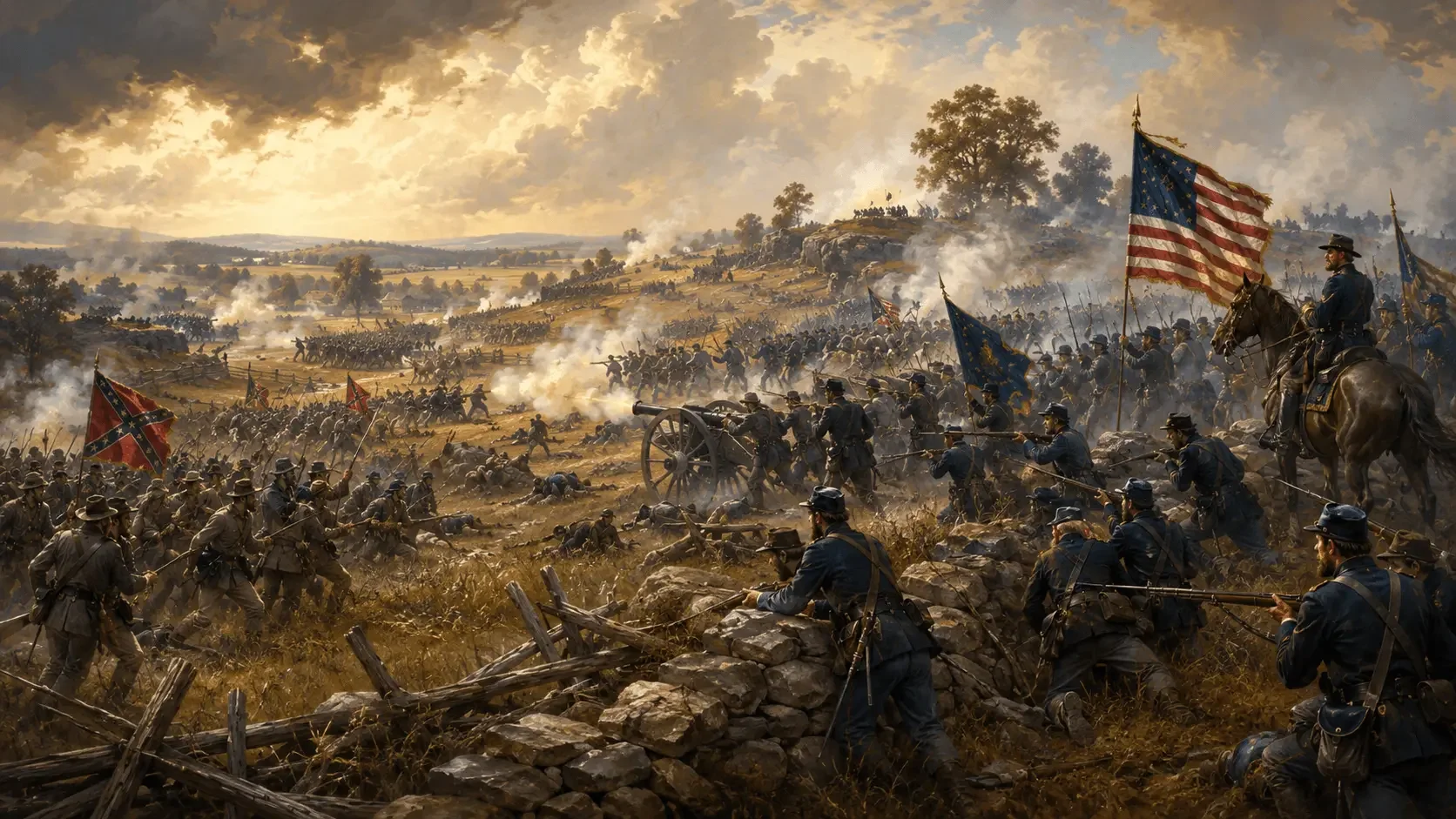
1863
Civil War
The three-day Battle of Gettysburg stopped Robert E. Lee’s second invasion of the North and produced more than 50,000 Union and Confederate casualties.
Explore Event