About Parkin Archeological State Park
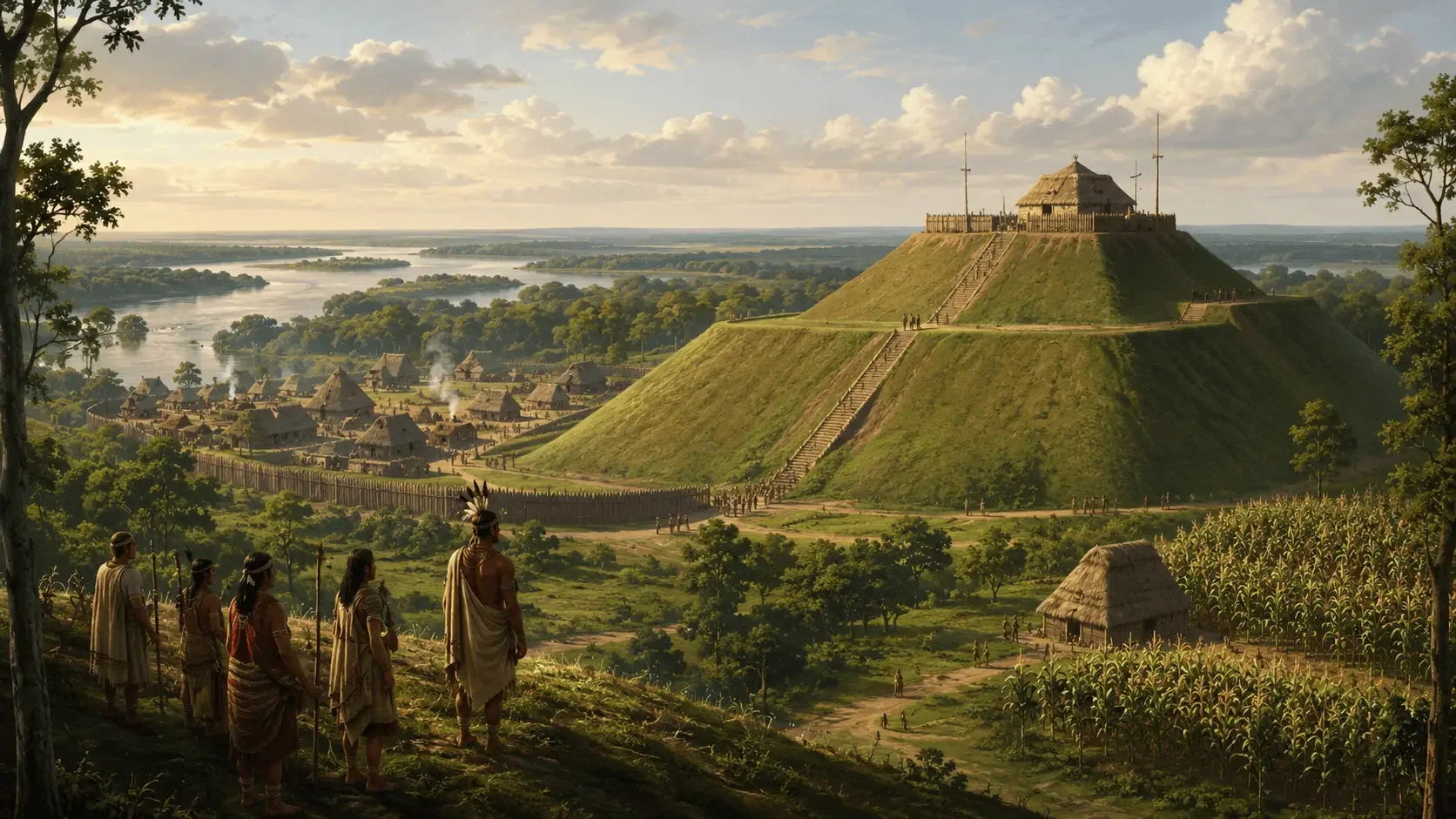
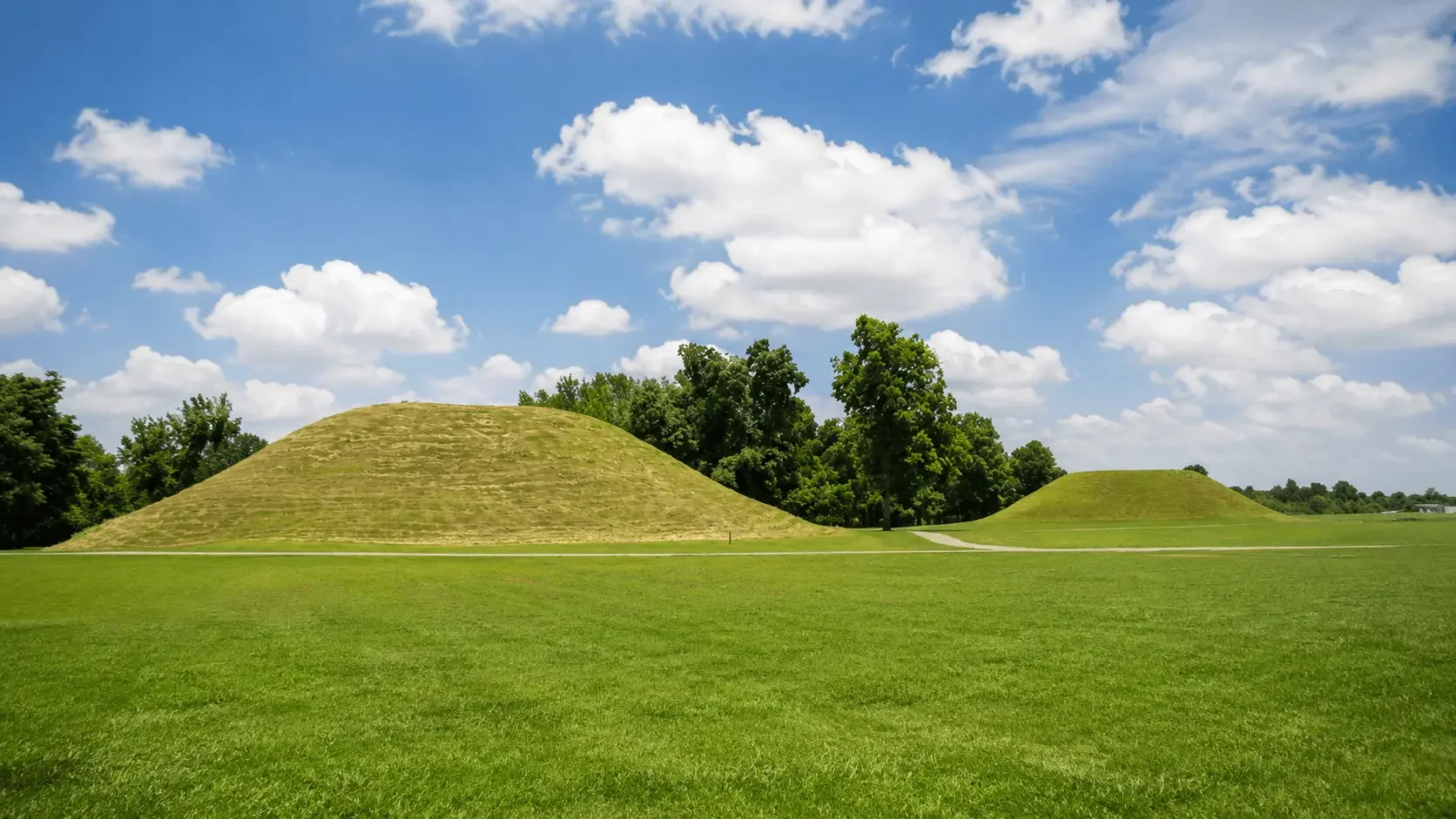
Parkin Archeological State Park preserves a 17-acre Mississippian-period village on the St. Francis River that was occupied from about A.D. 1000 to 1550. Archaeological finds and descriptions from Hernando de Soto's expedition support the possibility that the site was Casqui, a community encountered by the Spanish in 1541, while surviving features such as the platform mound, moat, and evidence of a palisade reveal the form of the Indigenous settlement.
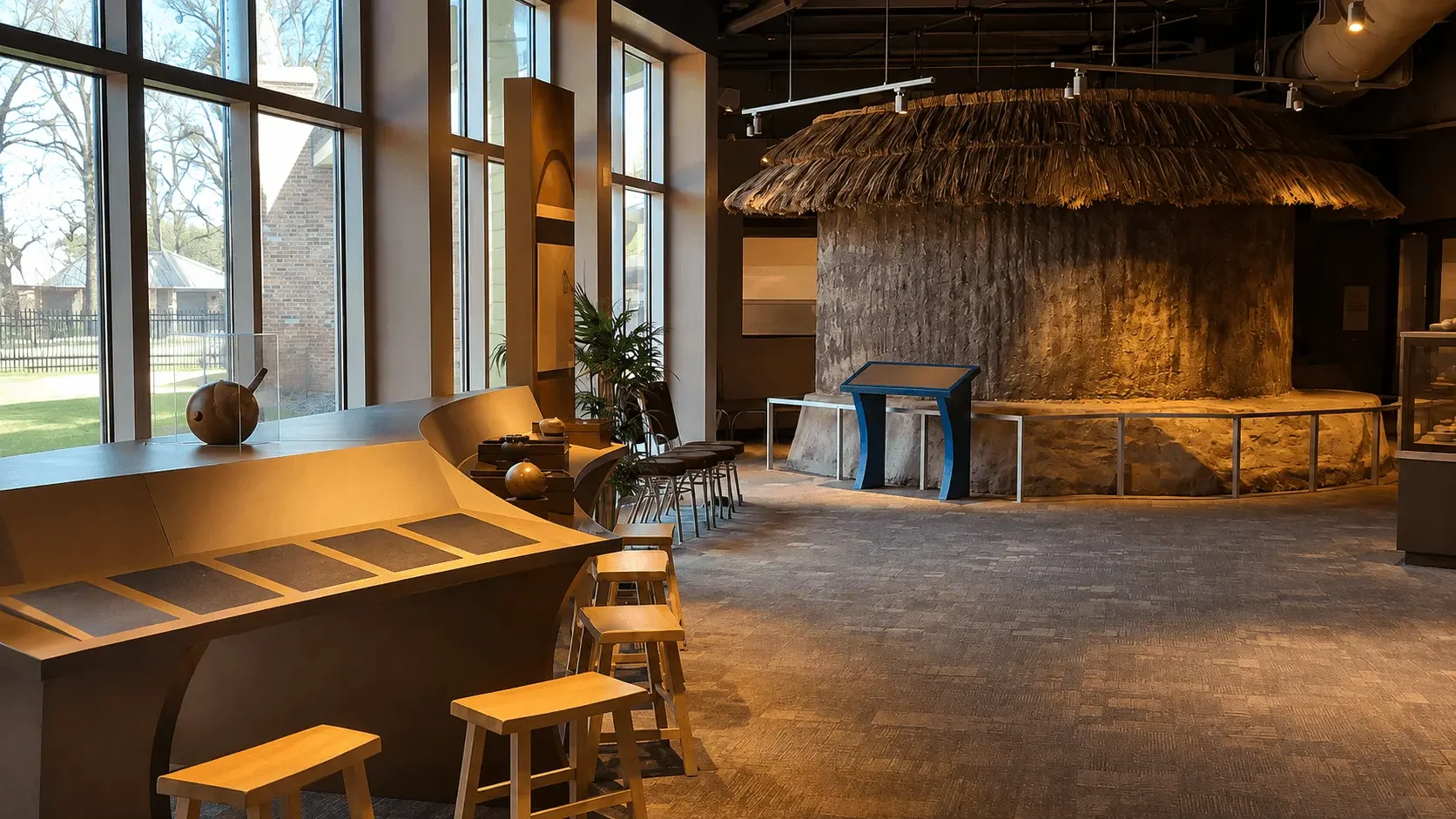
The visitor center combines a museum with an active Arkansas Archeological Survey research station, allowing visitors to connect excavated artifacts with the process of studying them. A paved interpretive trail crosses the site, and the park also preserves later layers of Delta history, including the one-room Northern Ohio School and the legacy of the Northern Ohio Cooperage and Lumber Company that operated here in the twentieth century.
Parkin stands out because it links deep Indigenous history, early European contact, archeological research, and African American and industrial history on the same landscape. The free museum and self-guided trail make it an approachable stop while still offering enough depth for visitors with a serious interest in archaeology and the history of the Mississippi Valley.