Roads of History
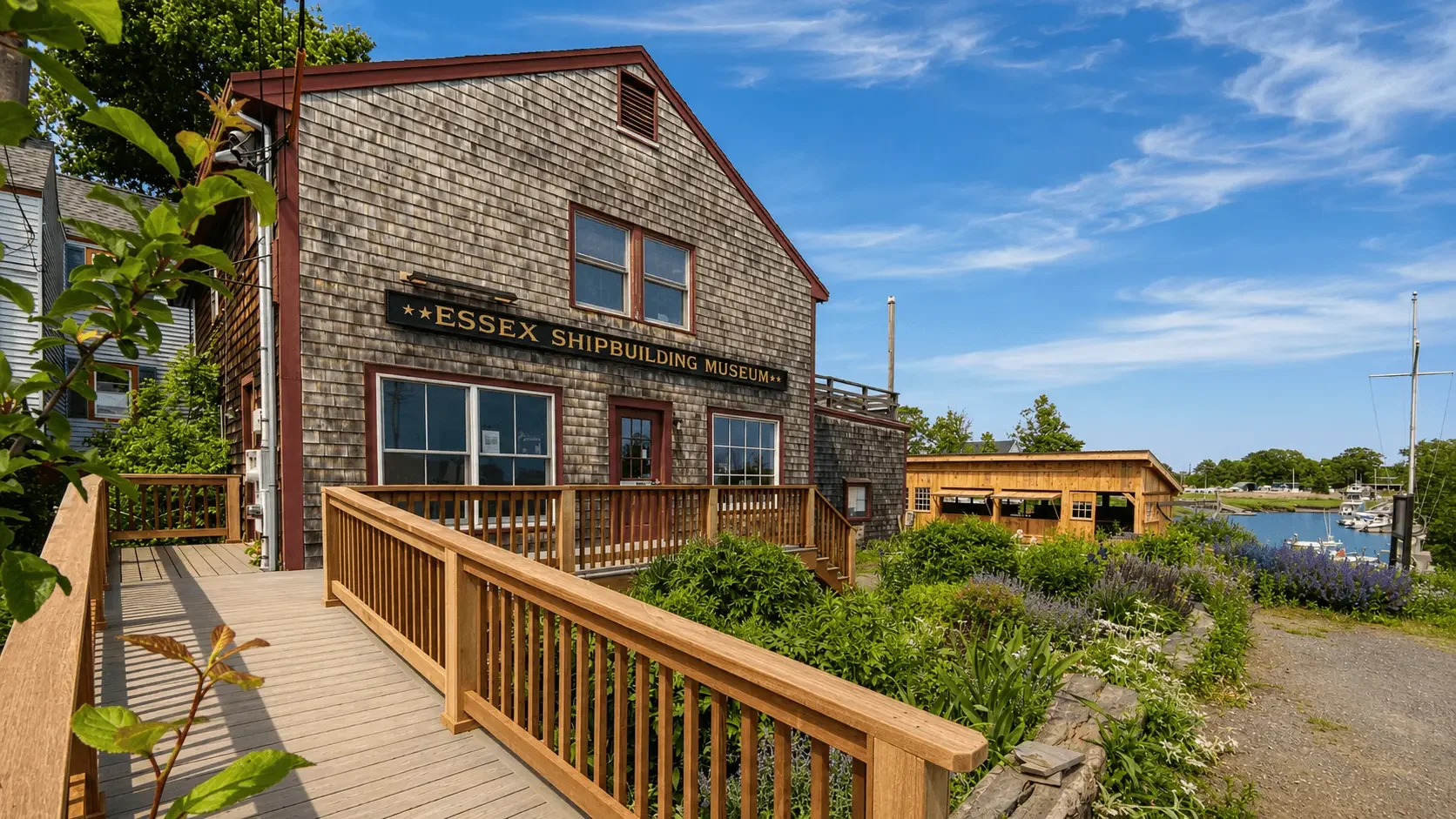
Featured view of Essex Shipbuilding Museum in Essex, Massachusetts

Colonial America

Essex Shipbuilding Museum

Essex, Massachusetts

A working maritime museum on a historic Essex River shipyard that preserves the town’s renowned wooden shipbuilding tradition.

View Location

Explore This Place

Destination Details

Overview

About Essex Shipbuilding Museum

Essex Shipbuilding Museum is a maritime history museum and preservation campus on the Essex River, centered on the historic A.D. Story shipyard. Essex became one of North America’s best-known centers of wooden vessel construction, especially fishing schooners, and the shipyard site has been used for shipbuilding since at least 1813. The museum developed from the Essex Historical Society, added its shipbuilding mission in 1976, and later brought the Story shipyard into its campus.

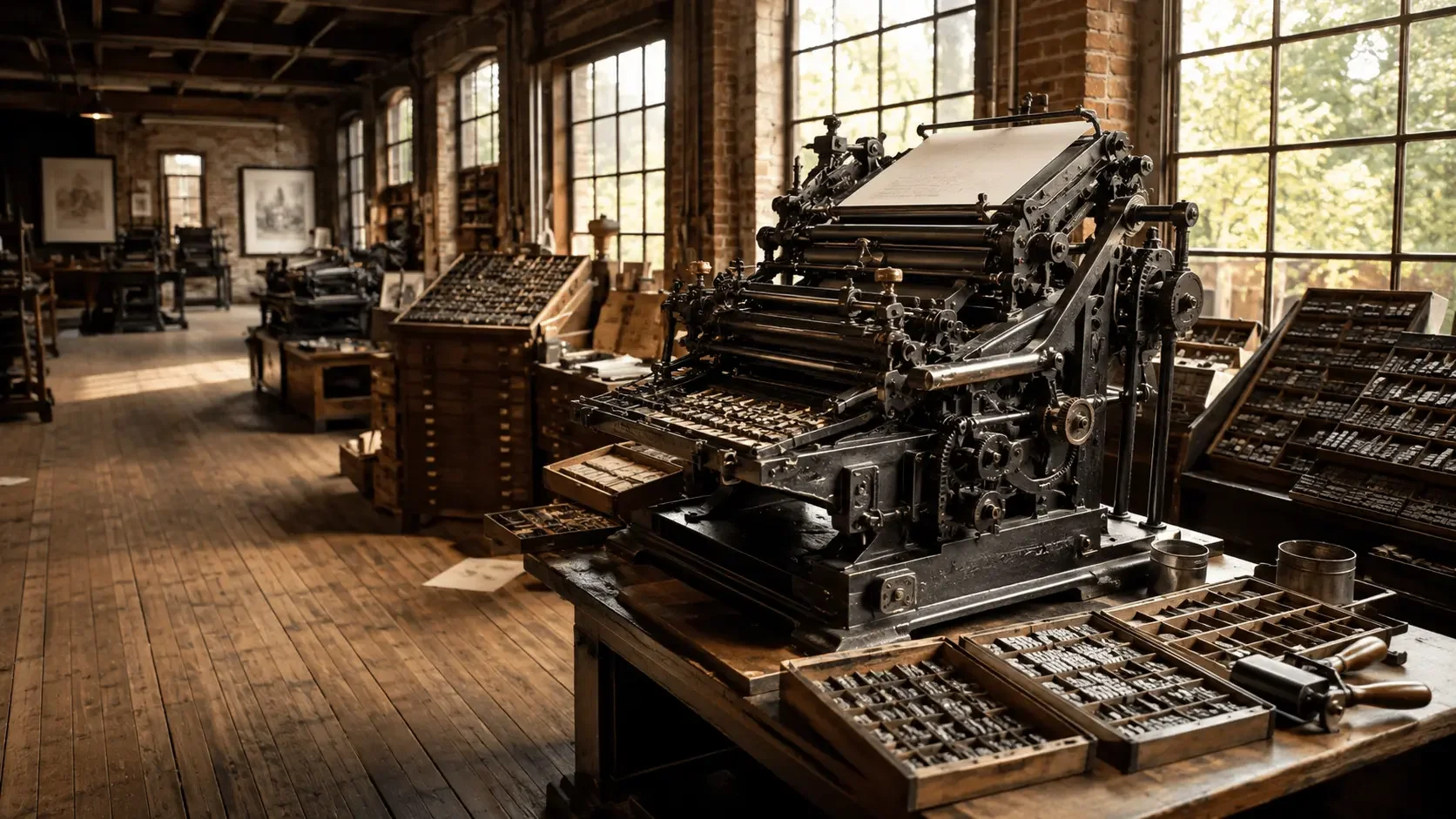
Visitors can explore exhibits, tools, ship models, photographs, archival material, and traditional boatbuilding work that connect local craftsmanship with the wider maritime economy of New England. The museum also preserves historic Essex-built vessels, including the 1927 schooner Evelina M. Goulart. Because the collections and demonstrations occupy an authentic working waterfront, the site offers a particularly tangible view of how wooden ships were designed, built, launched, and used.
Visitor Essentials

Plan Your Visit

Hours

2026 exhibit hours: Wednesday through Sunday, 11:00 AM-5:00 PM; closed to the public Monday and Tuesday. Group tours are offered by advance arrangement during the May-October season.

Admission

General admission: $15 per individual; students over age 5, seniors, and veterans: $10; children under age 5: Free; members: Free. EBT, WIC, and ConnectorCare cardholders receive free general admission through Card to Culture. Scheduled group tours are $25 per person.

Hours and admission prices may change. Confirm current details on the official website before visiting.

Historical Connections

Essex Shipbuilding Museum: History and Visitor Guide | Roads of History