Roads of History
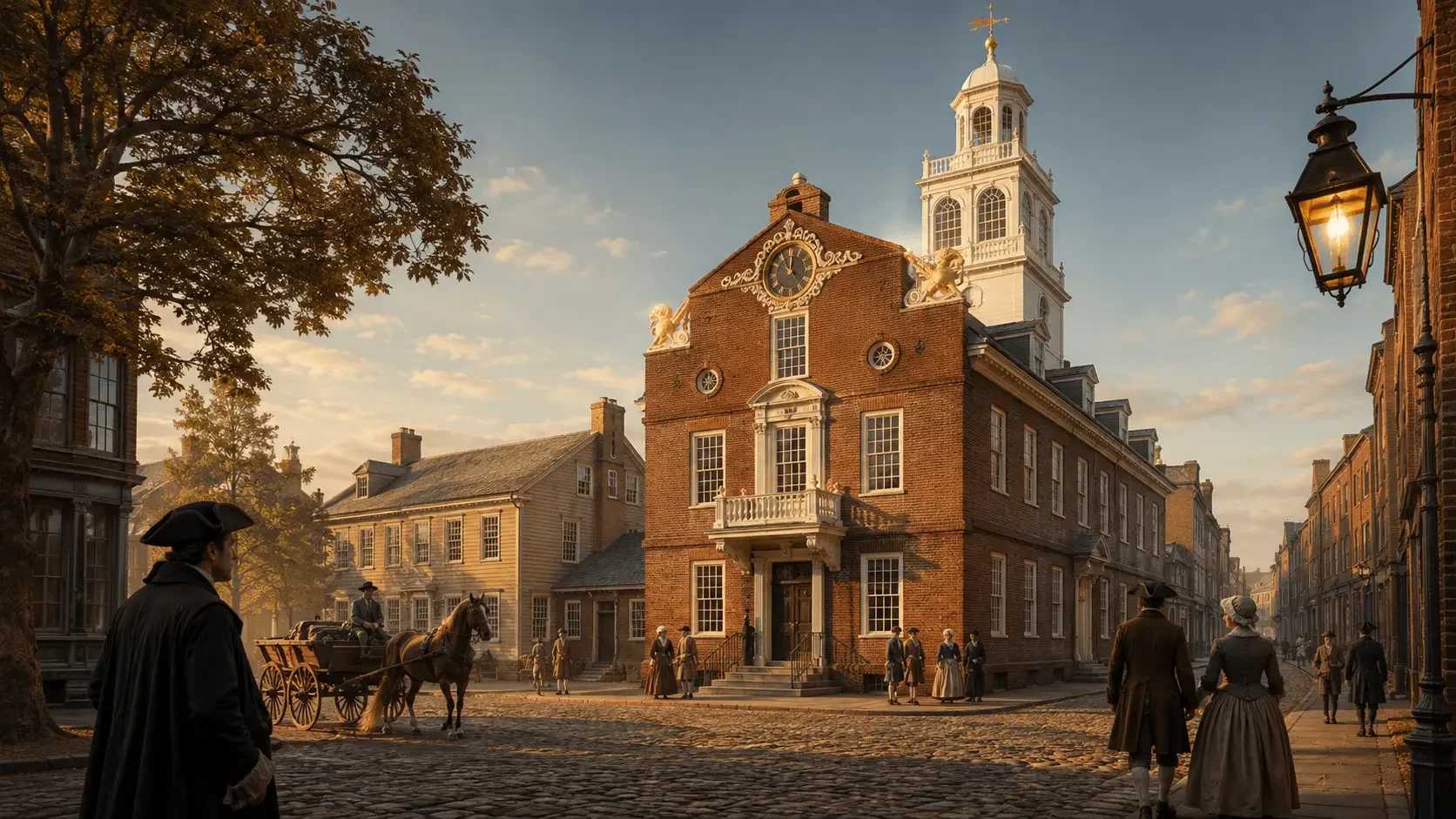
Featured view of Old State House in Boston, Massachusetts

Colonial America

Old State House

Boston, Massachusetts

Boston’s 1713 seat of royal government, overlooking the Boston Massacre site and the balcony where independence was proclaimed to the city.

View Location

Explore This Place

Destination Details

Overview

About Old State House

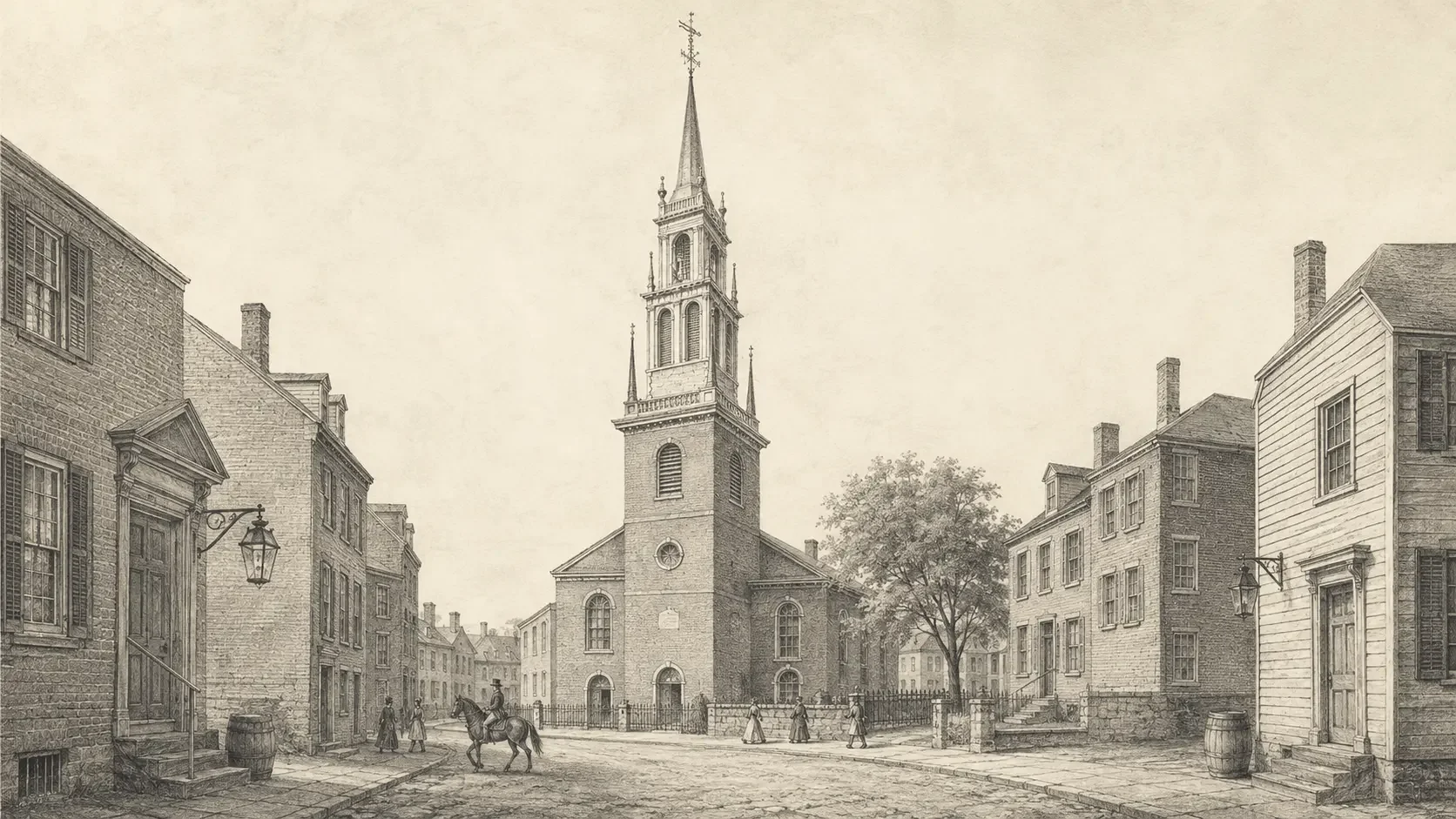
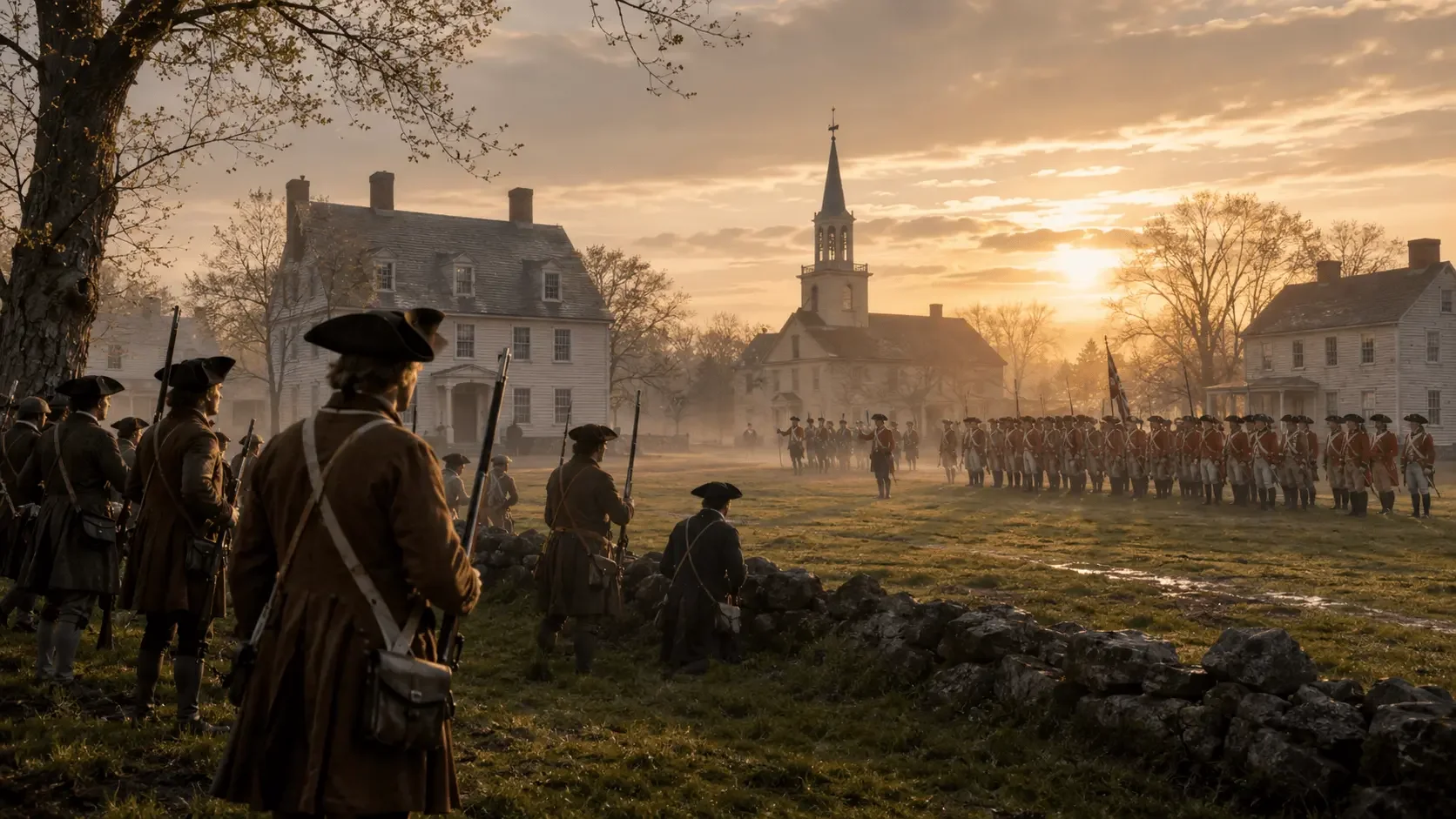
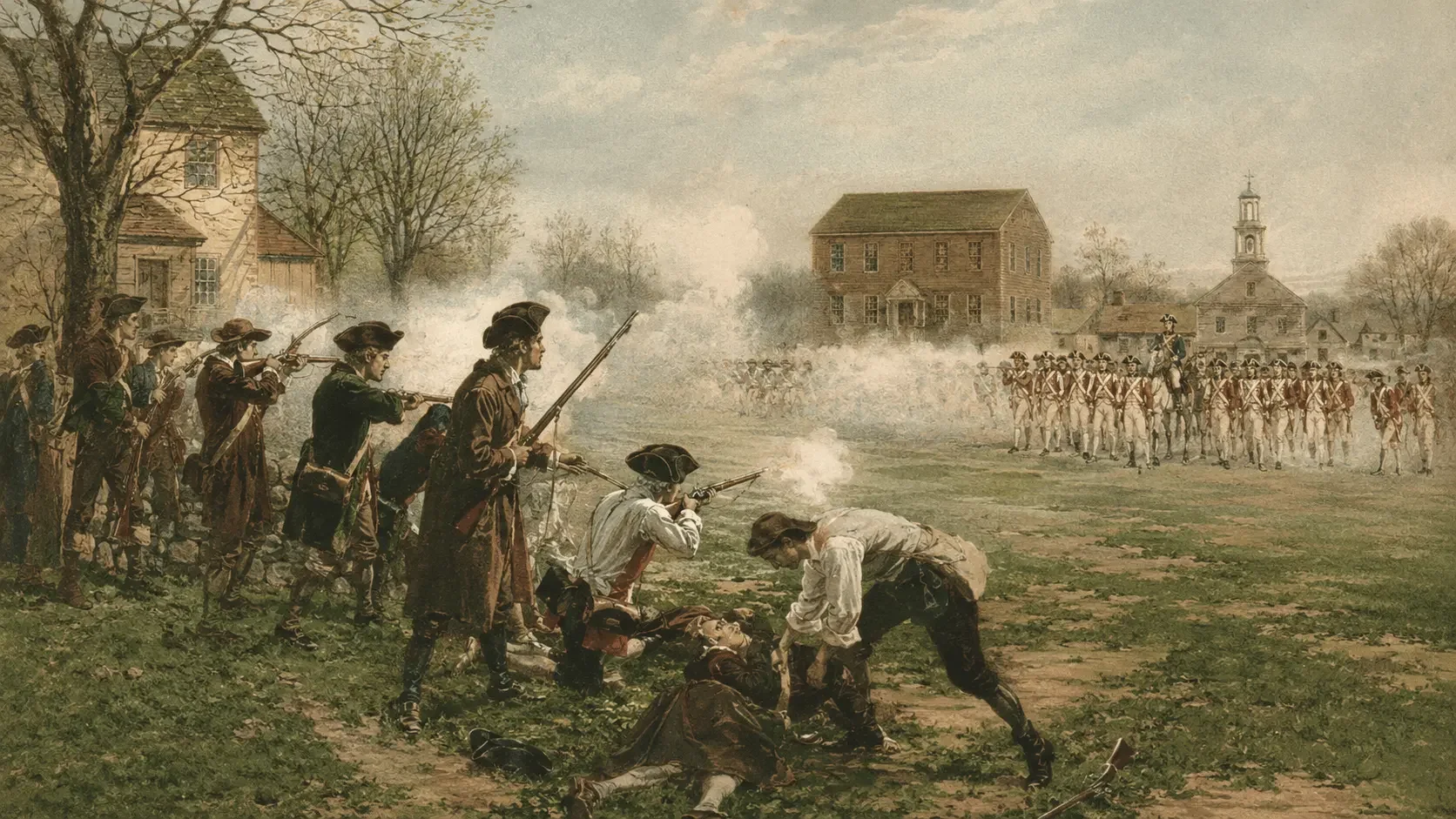
The Old State House, completed in 1713, served as the center of royal government in the Massachusetts Bay Colony and was a focal point of the political conflict that preceded the American Revolution. The Boston Massacre occurred just outside the building on March 5, 1770, and testimony about the confrontation was gathered within its walls. On July 18, 1776, the Declaration of Independence was publicly read to Bostonians from the building’s balcony.

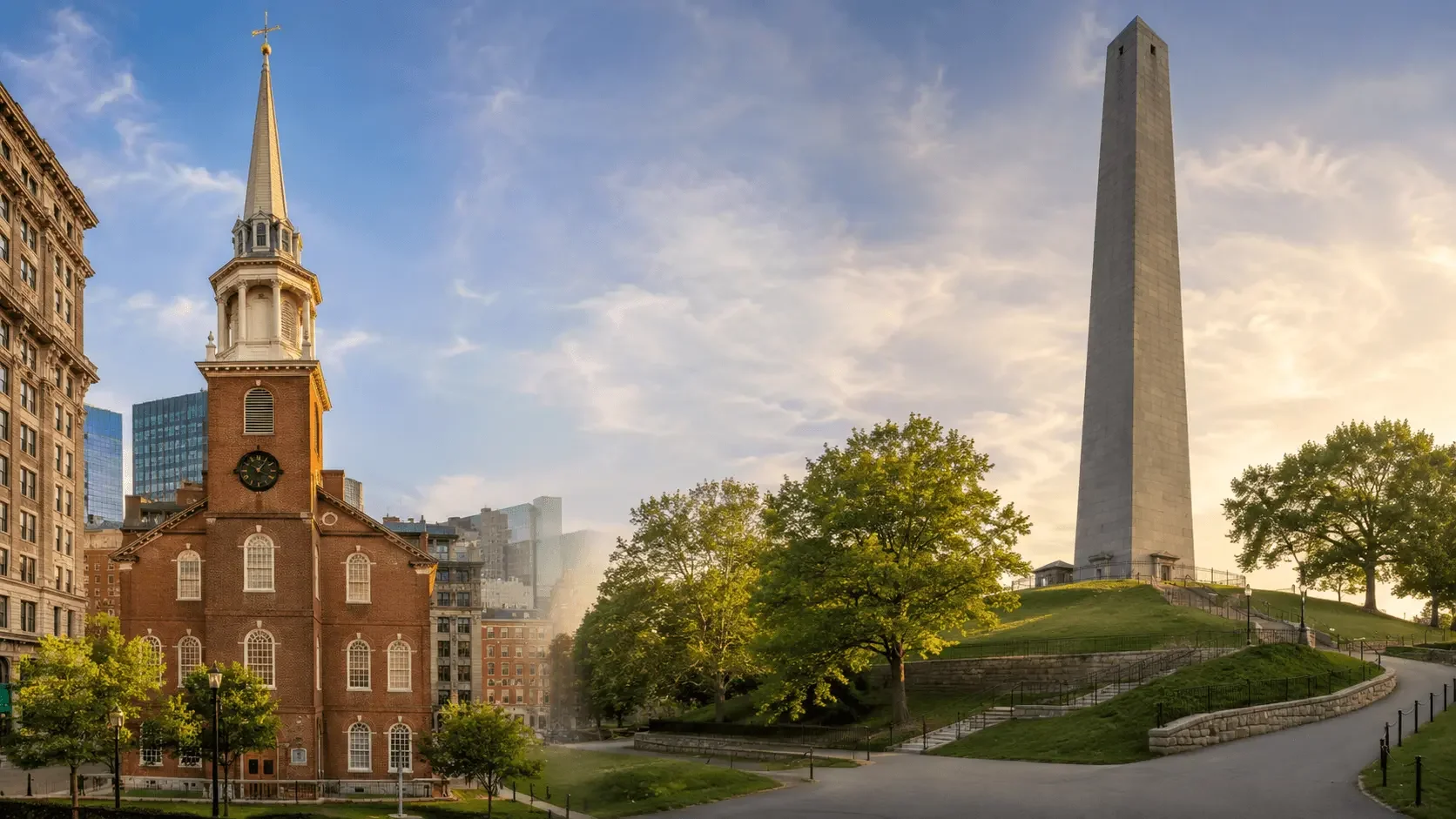
Today, visitors can explore restored historic rooms such as the Council Chamber, examine exhibitions about colonial government and revolutionary Boston, and participate in gallery talks and interpretive programs. Outside, a marker identifies the approximate site of the Boston Massacre. Surrounded by the modern city, the building offers an unusually vivid contrast between present-day Boston and the compact civic center where royal authority gave way to independence.
Visitor Essentials

Plan Your Visit

Hours

June through August 2026: open daily from 10:00 AM to 6:00 PM. September through December 2026: open daily from 10:00 AM to 5:00 PM. Closed January 1, Thanksgiving Day, December 24, and December 25. Scheduled gallery talks and programs are included with admission, and advance tickets are strongly recommended.

Admission

A joint ticket includes admission to both the Old State House and Old South Meeting House: adults ages 18–64: $18; seniors ages 65 and older: $16; youth ages 6–17: $10; children ages 5 and younger: Free; Revolutionary Spaces members: Free.

Hours and admission prices may change. Confirm current details on the official website before visiting.

Historical Connections

Old State House: History and Visitor Guide | Roads of History