About Fort Morgan State Historic Site
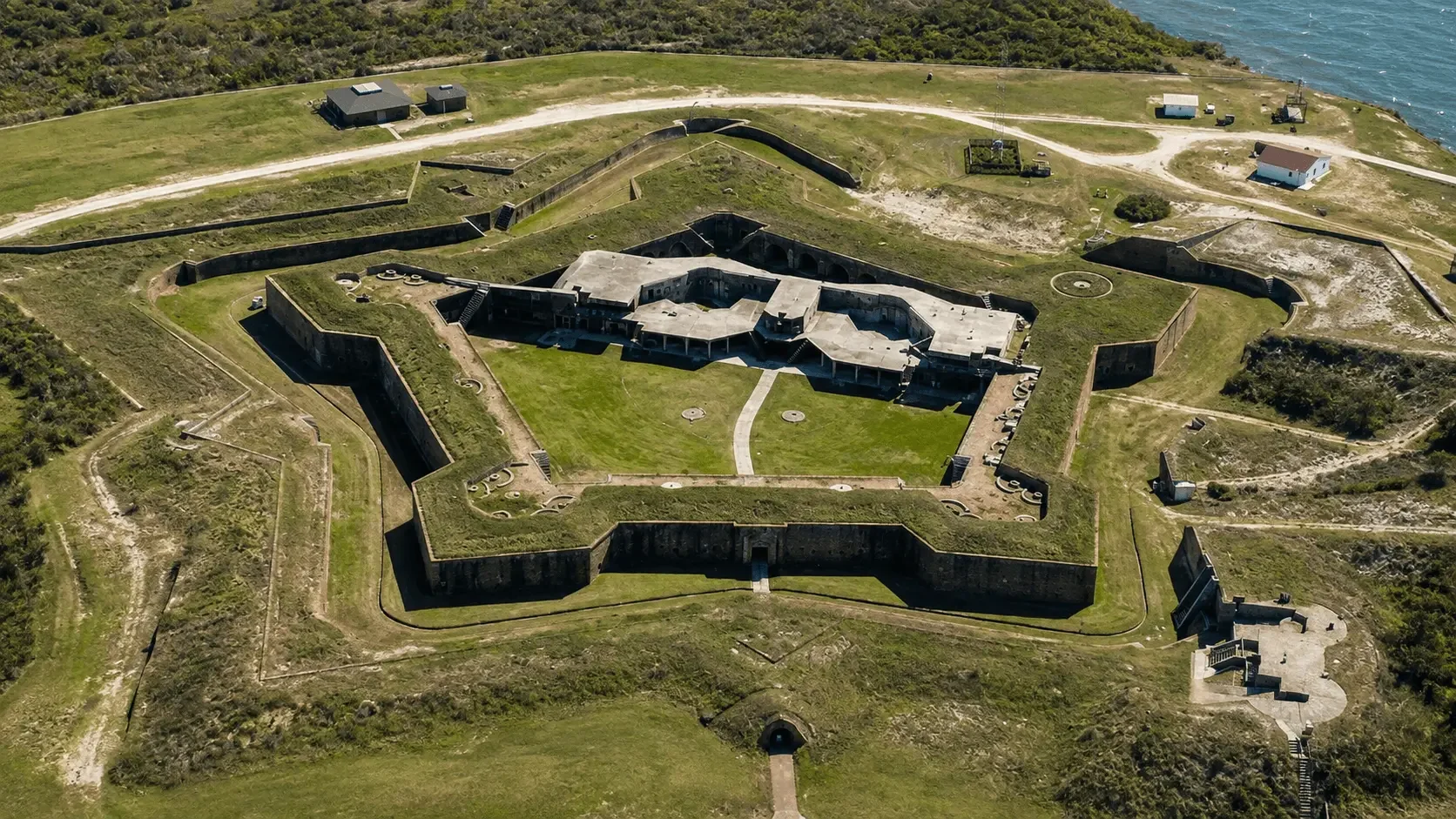
Fort Morgan occupies Mobile Point at the western end of Alabama Highway 180, where fortifications have protected the entrance to Mobile Bay since the War of 1812 era. The present masonry fort was built from 1819 to 1834 by skilled masons, including enslaved African Americans, as part of the United States' system of permanent coastal defenses. It replaced nearby Fort Bowyer, which had been attacked by British forces during the War of 1812.
Fort Morgan is best known for its role in the Battle of Mobile Bay in August 1864. Confederate guns at Fort Morgan and Fort Gaines challenged Admiral David Farragut's Union fleet as it entered the heavily mined bay. After the naval battle, Fort Morgan endured a Union siege before surrendering on August 23, 1864. The site later remained active during the Spanish-American War, World War I, and World War II, leaving layers of military architecture from different periods.
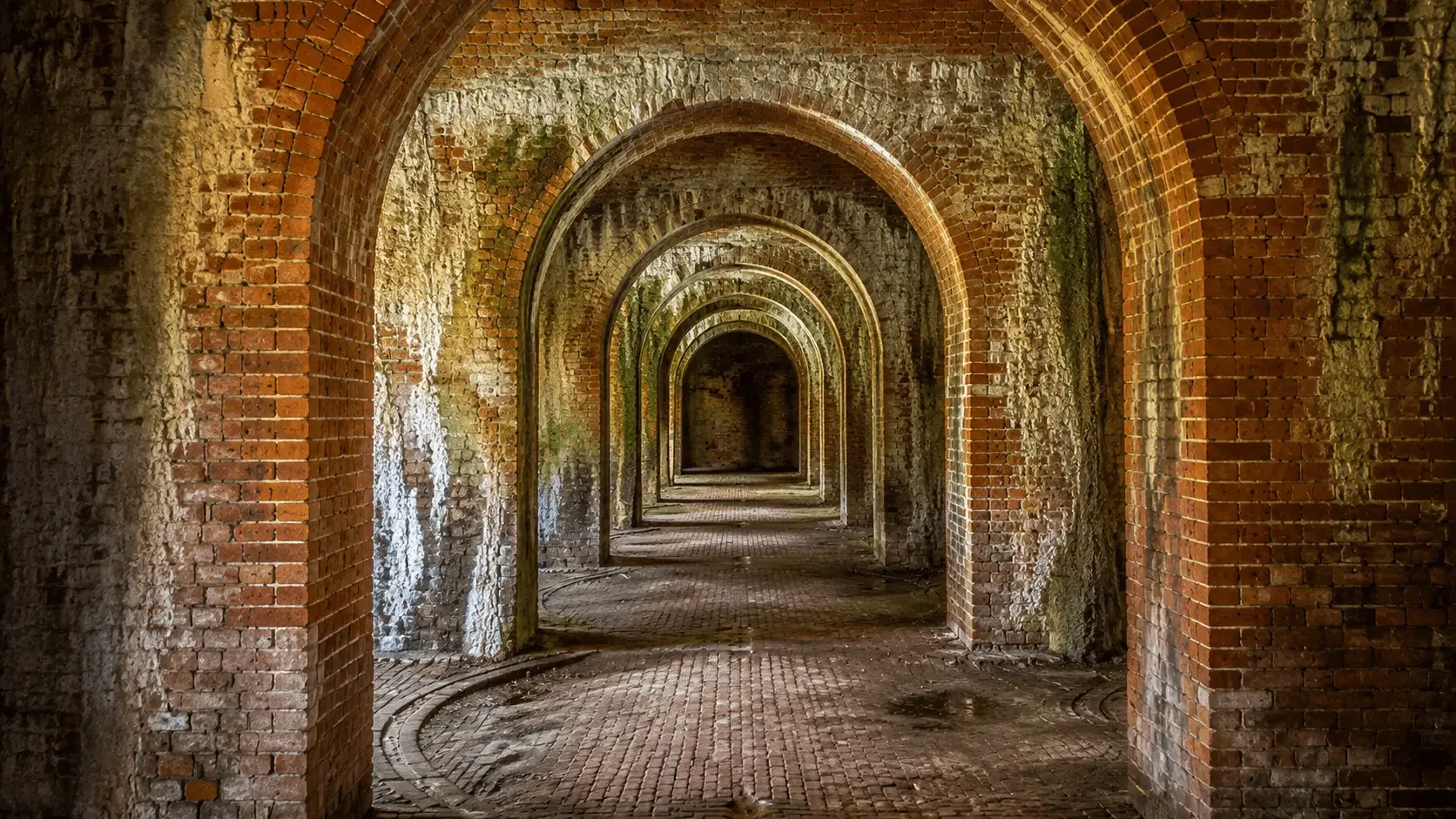
Visitors can walk through the 1834 brick fort, explore concrete artillery batteries built between 1895 and 1904, visit the museum, and view surviving military buildings from the turn of the twentieth century. The combination of preserved fortifications, exhibits covering Mobile Point's military history, and broad coastal views makes the site one of the most substantial historic attractions on Alabama's Gulf Coast.