About Historic Yorktown
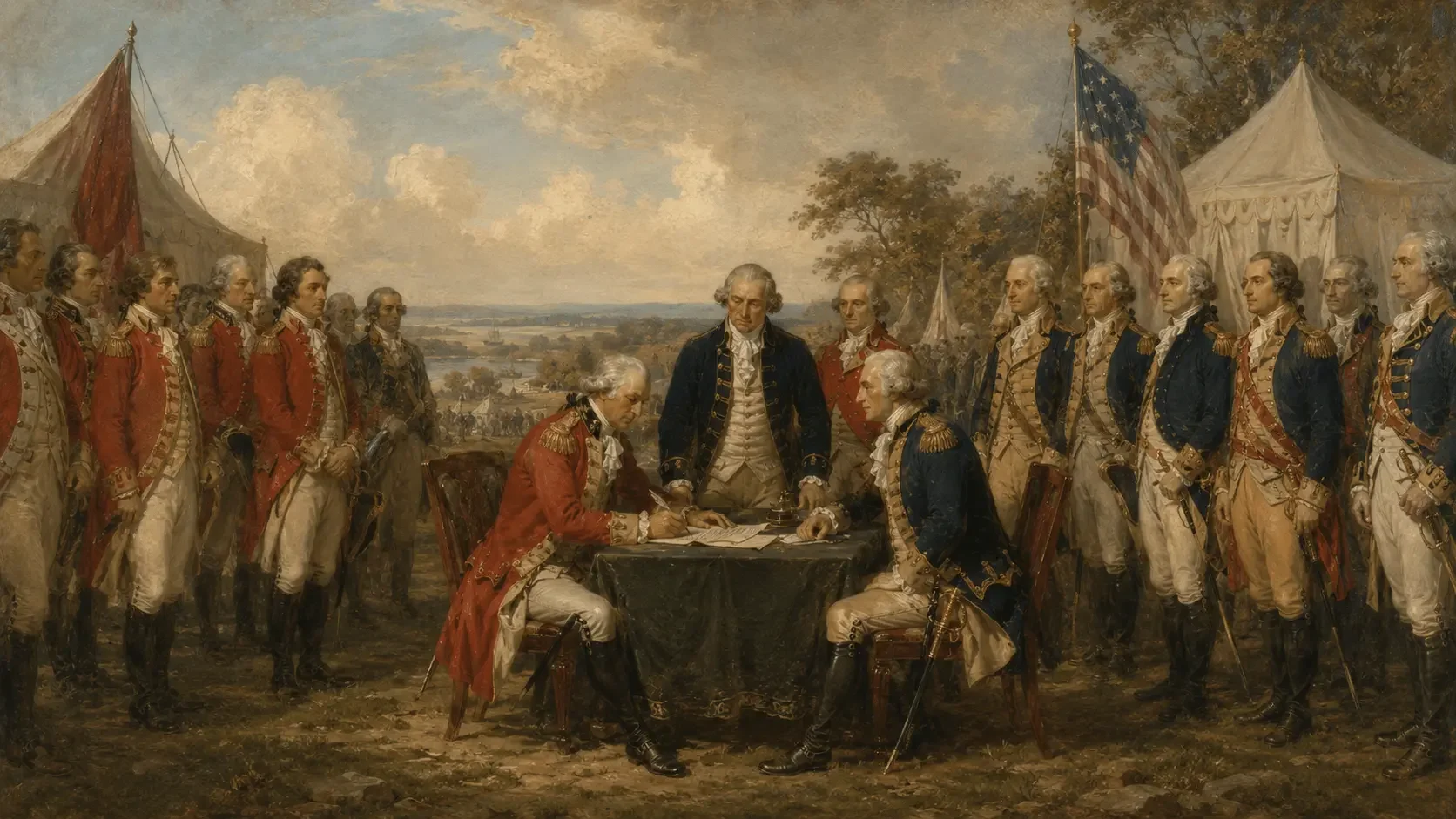
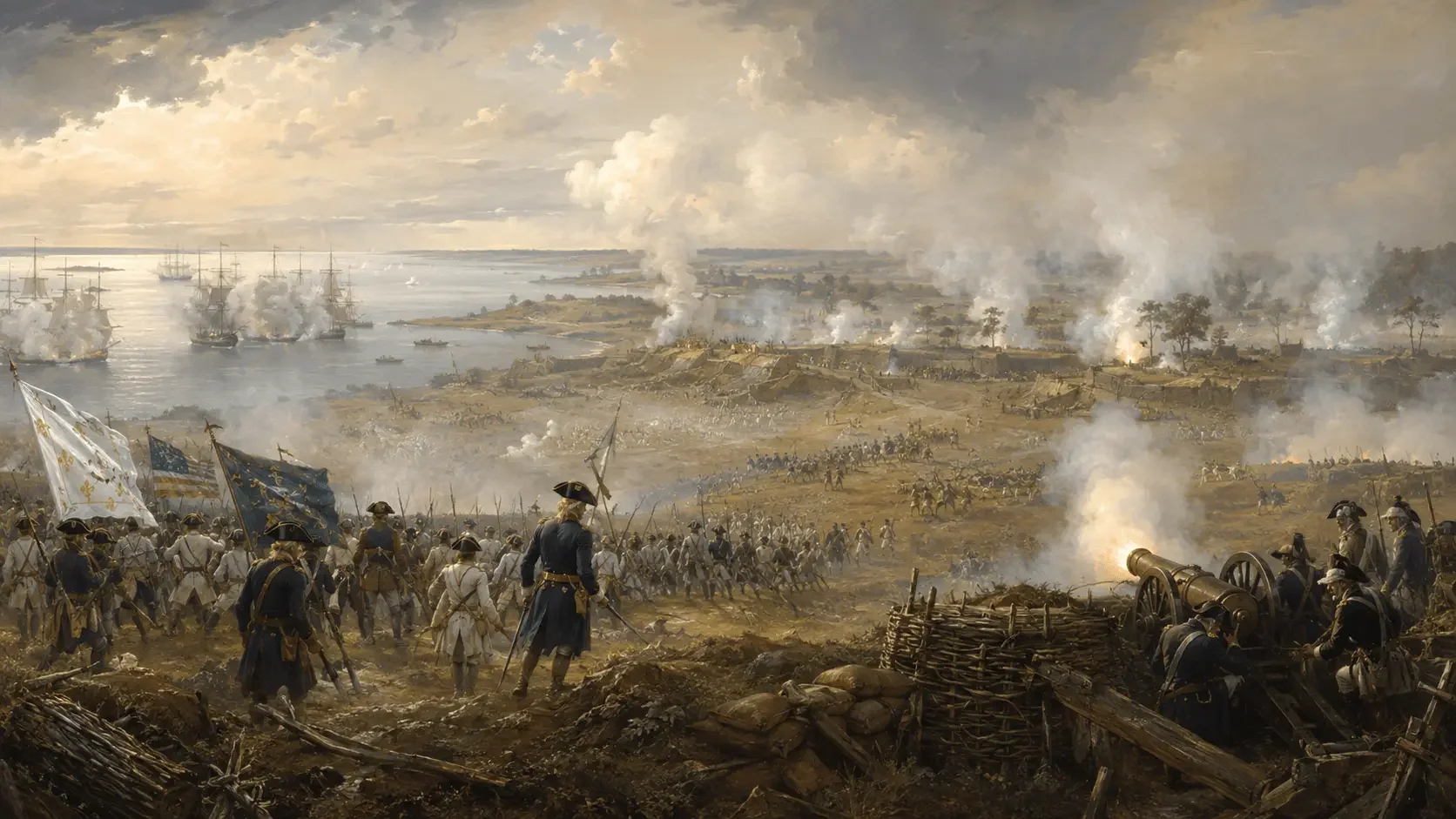
Historic Yorktown is the historic village on the York River that developed from a port established in 1691. During the 18th century, Yorktown grew as a tobacco-exporting and mercantile center, and residents included Thomas Nelson Jr., a signer of the Declaration of Independence and later governor of Virginia. The town became internationally significant in 1781 when British General Charles Cornwallis made Yorktown his base and American and French forces under George Washington and the Comte de Rochambeau laid siege to the area. Cornwallis's surrender on October 19 brought the last major battle of the American Revolution to an end.
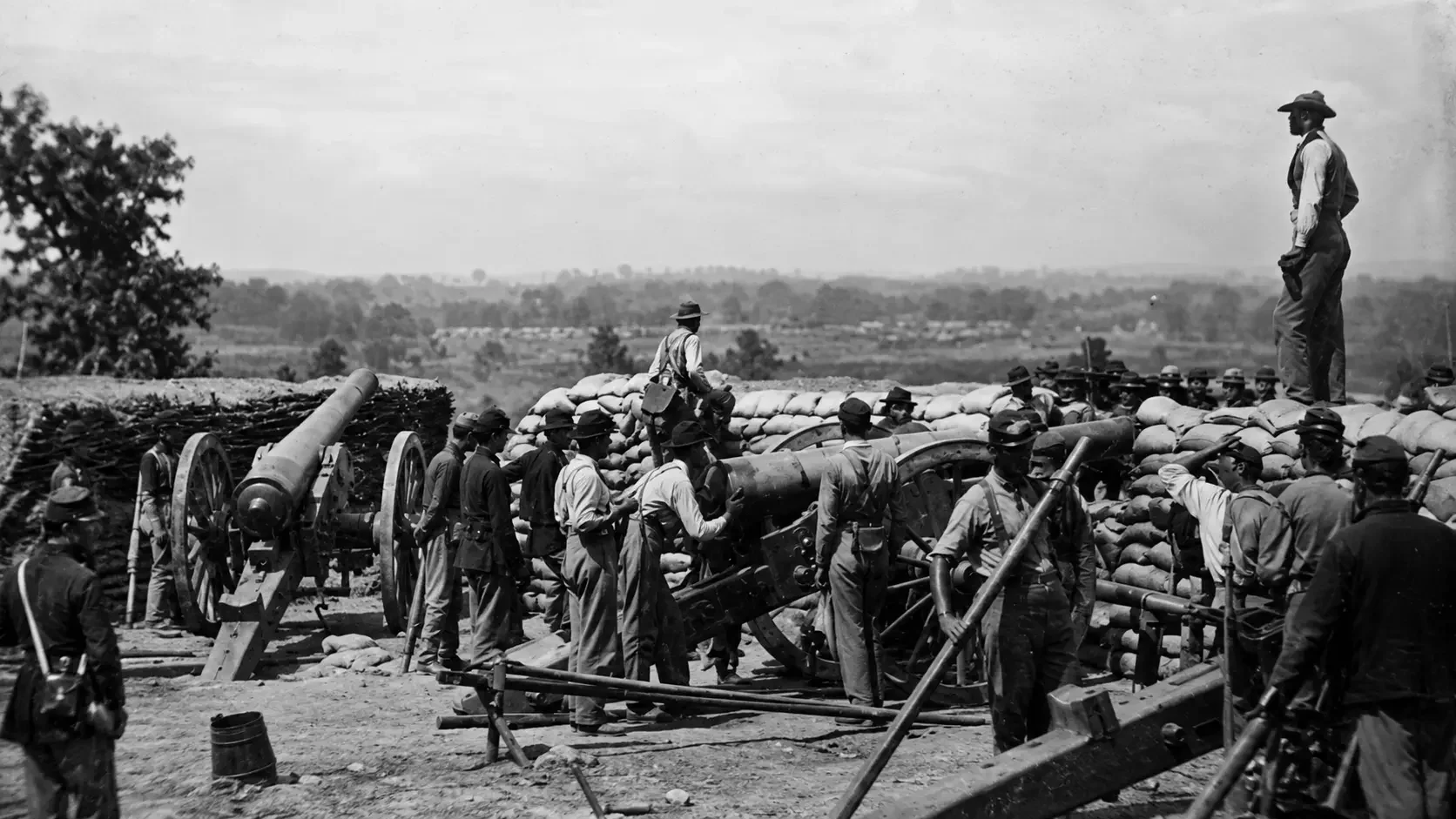
Yorktown continued to experience conflict after the Revolution. The waterfront suffered a destructive fire in 1814, and the town was again fortified and besieged during the 1862 Peninsula Campaign of the Civil War. Despite repeated destruction and change, surviving buildings and preserved sites help show the community's long history as a colonial port, Revolutionary War landscape, county seat, and working riverside town.
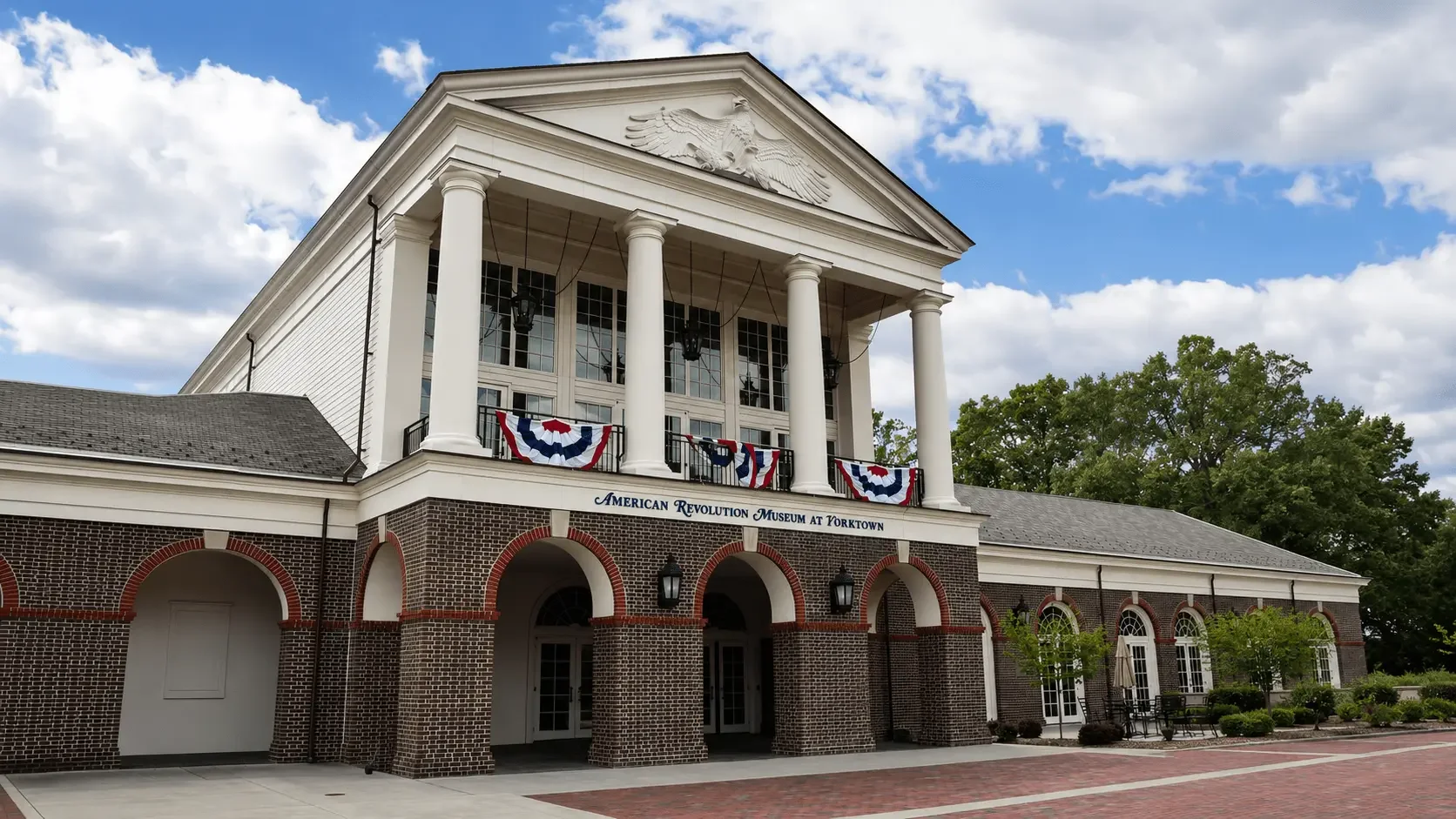
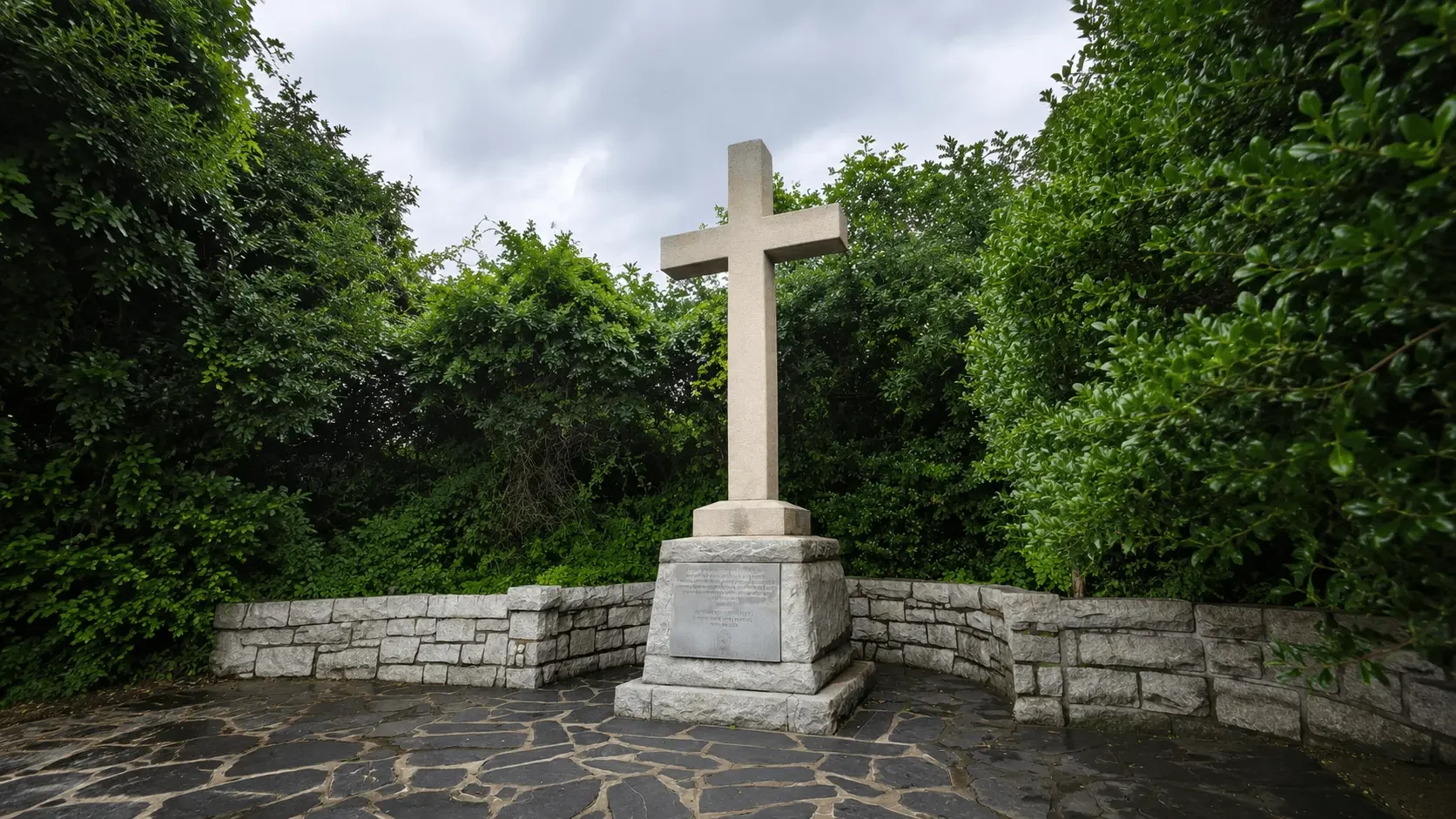
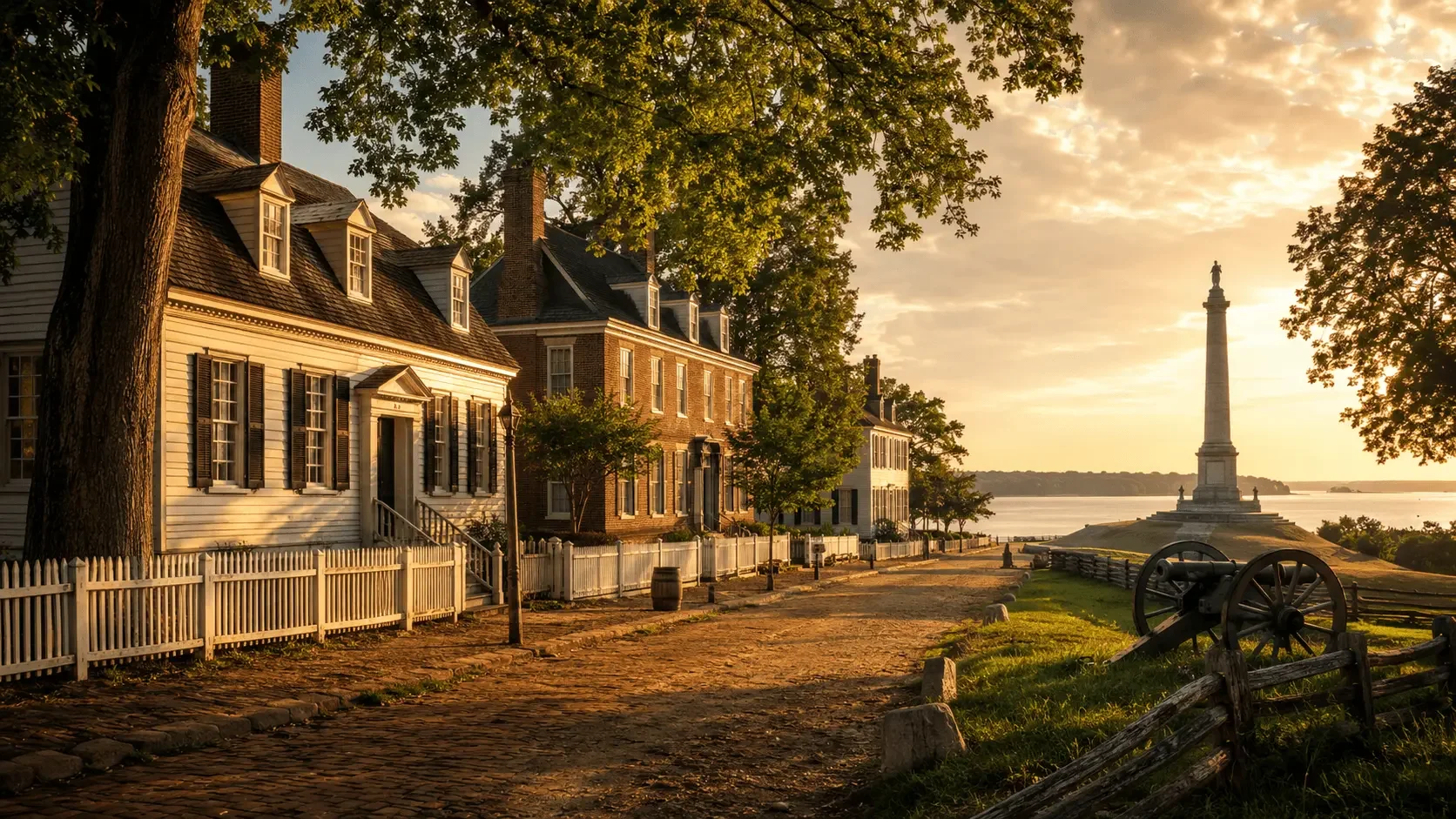
Today, visitors can walk Historic Main Street and the waterfront, see surviving and reconstructed historic buildings, visit the Nelson House and other nearby sites when open, view the Yorktown Victory Monument, and connect with the larger Yorktown Battlefield landscape. Riverwalk Landing adds modern visitor services along the York River, while the historic village itself remains a free public area that can be explored throughout the day.