About Warm Springs Historic District
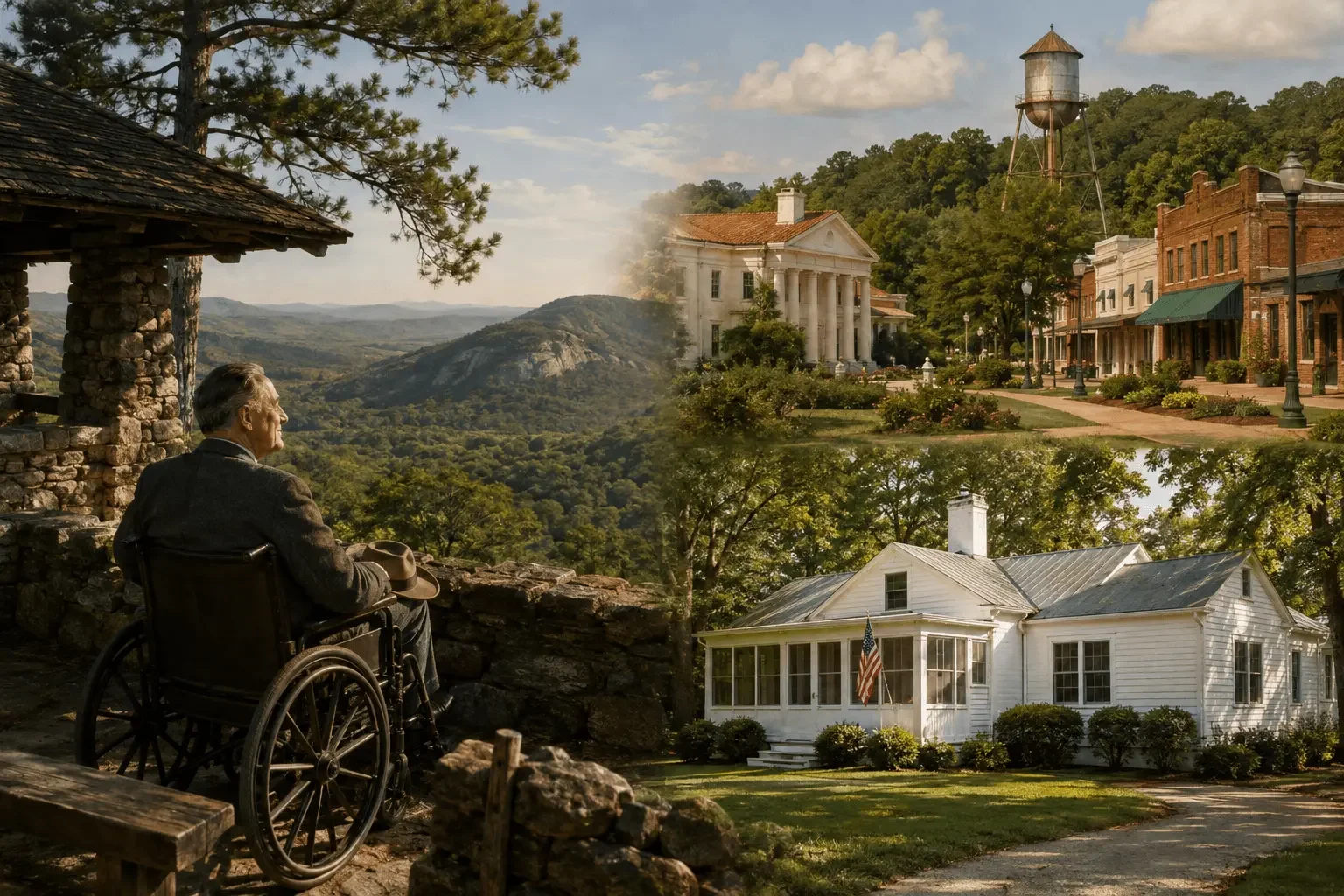
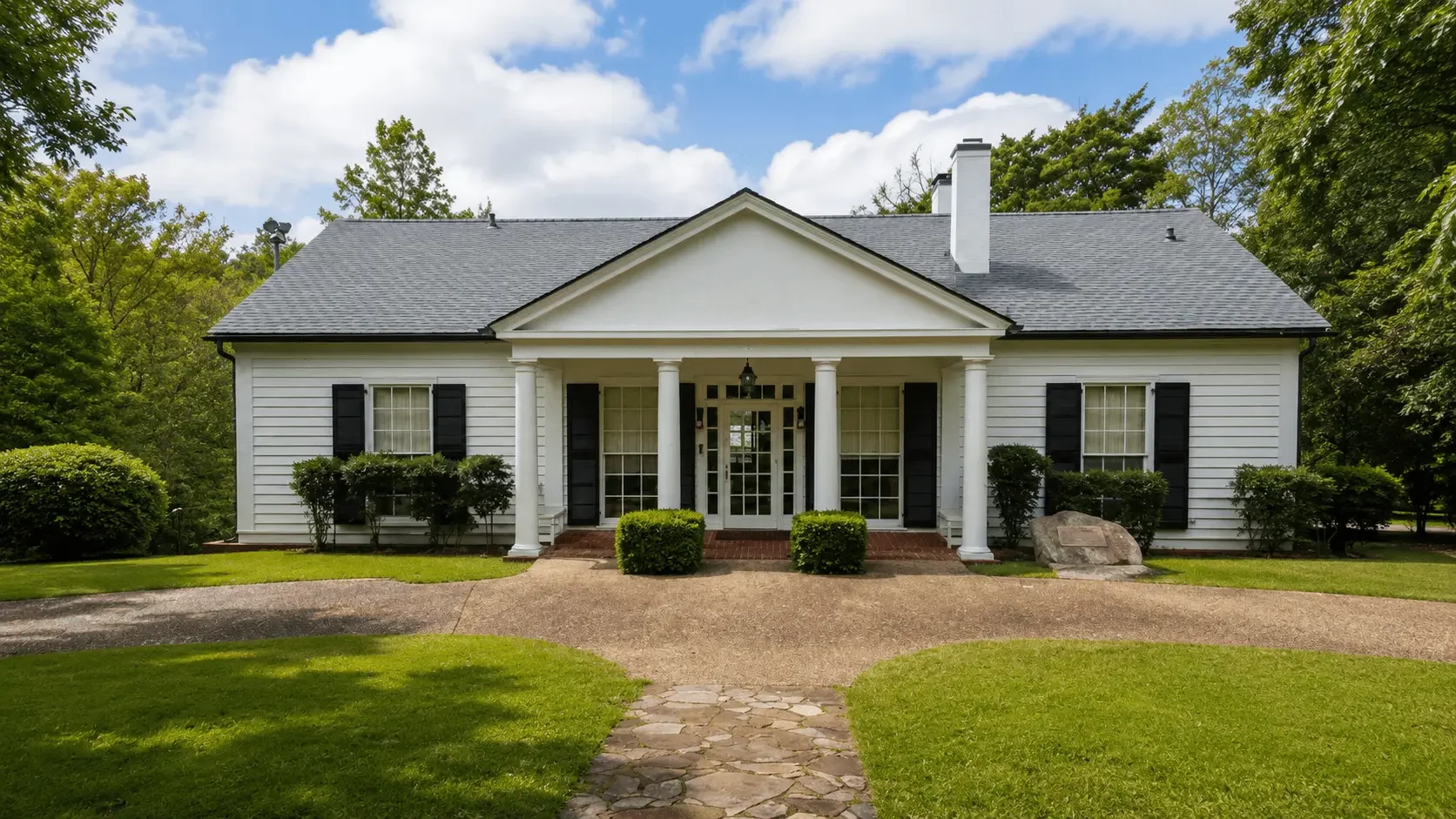
Warm Springs Historic District is a National Historic Landmark district centered on the Georgia community where Franklin D. Roosevelt sought rehabilitation after paralysis and helped establish a nationally important treatment center for people with polio. Roosevelt first arrived in 1924, purchased the resort property in 1926, and established the Warm Springs Foundation in 1927. The district includes resources associated with the foundation, the later Roosevelt Warm Springs Institute, and Roosevelt's nearby Little White House.
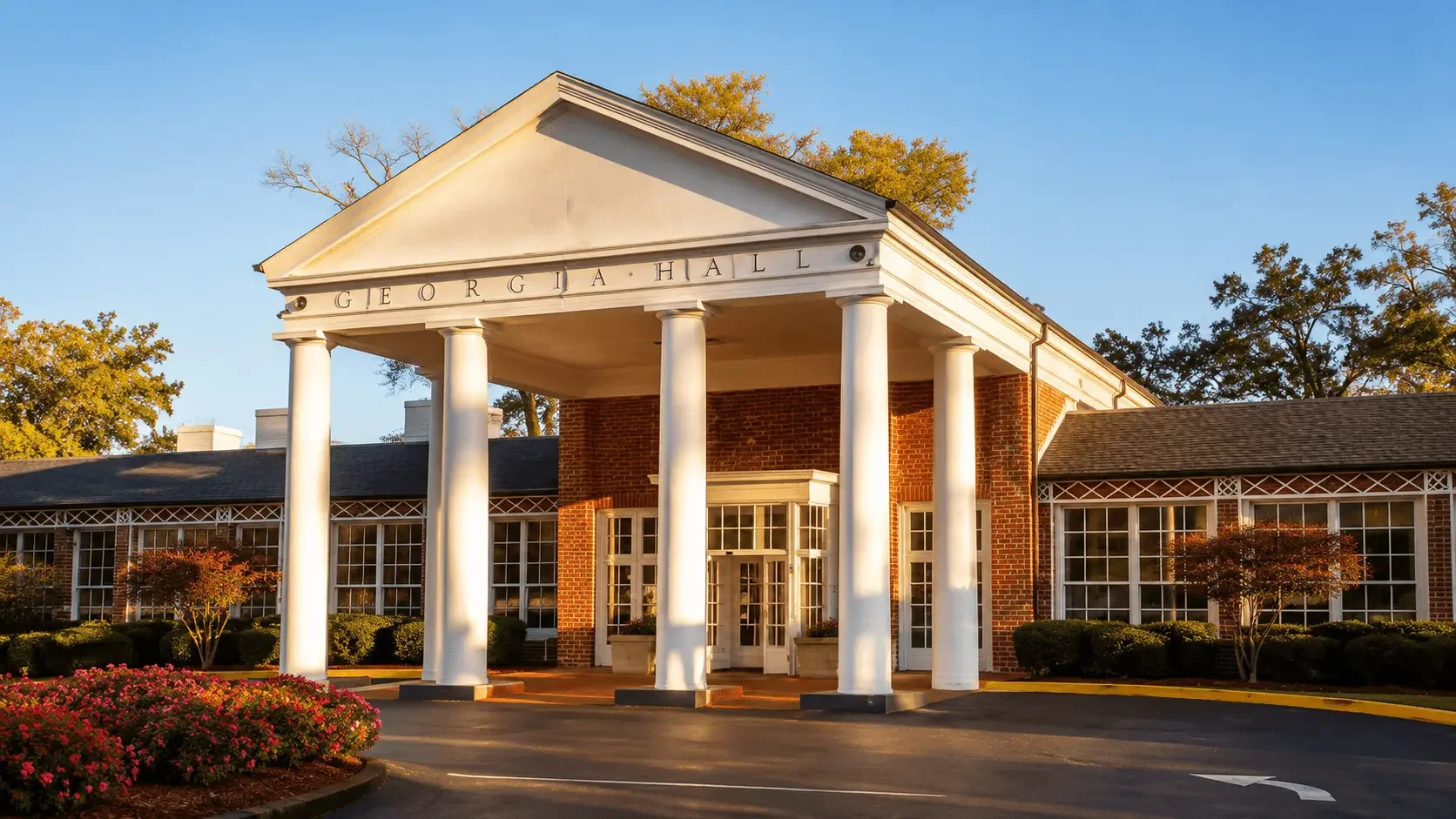
The district is significant not only for presidential history but also for disability and medical history. Roosevelt's work at Warm Springs helped create a community designed around rehabilitation, while his experiences with patients and rural Georgians influenced his public life. Georgia Hall and other surviving campus buildings help visitors understand how the former resort evolved into a major rehabilitation center, and the preserved historic pools are closely tied to Roosevelt's original reason for coming to the area.
For visitors, Georgia Hall at Roosevelt Warm Springs is a useful entry point to the district. Brochures are available there, self-guided historical touring is offered during open hours, and one-hour guided historical tours are scheduled on weekdays. The broader district can be explored without a general admission charge, although individual attractions within it, including Roosevelt's Little White House State Historic Site, may have their own fees and operating restrictions.