About This Event
The event commonly called the “First Thanksgiving” took place at Plymouth Colony in the autumn of 1621, but the familiar holiday story is a much later interpretation of a more complicated encounter. English colonists who arrived on the Mayflower in 1620 eventually settled at Patuxet, a Wampanoag village whose population had been devastated by epidemic disease introduced through earlier European contact. The colonists suffered heavily during their first winter. Meanwhile, the Wampanoag leader Ousamequin, often called Massasoit in English accounts, was evaluating how the newcomers might fit into regional diplomacy after disease had weakened Wampanoag communities.
In March 1621, the Plymouth settlers and Ousamequin entered a mutual-protection agreement. Tisquantum, also known as Squanto, and Hobbamock became important intermediaries between the English and Wampanoag. Tisquantum had previously been kidnapped by Europeans, carried across the Atlantic, and eventually returned to find much of Patuxet’s population gone. Wampanoag knowledge, assistance, and access to regional food systems helped the colonists survive and produce a successful harvest. This cooperation was political and strategic as well as practical; it should not be reduced to a simple story of instant friendship.
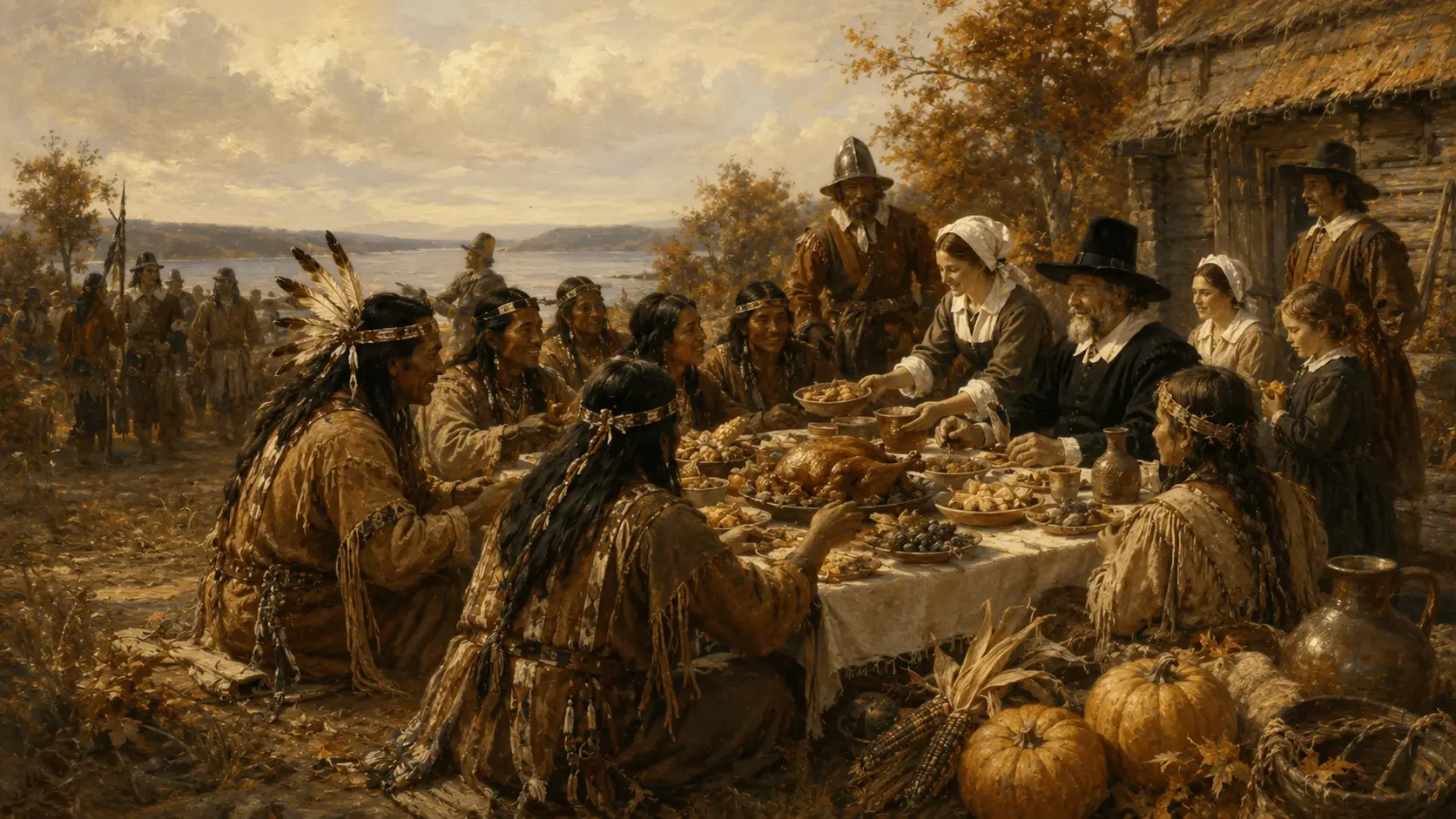
After the 1621 harvest, the colonists held a three-day celebration. Edward Winslow’s surviving account states that Ousamequin arrived with about ninety men and that the Wampanoag contributed five deer. The English also hunted wildfowl. Many foods now associated with Thanksgiving cannot be documented at the gathering, and the participants did not describe the event as the beginning of an annual national holiday. For Wampanoag people, traditions of giving thanks and seasonal harvest observances long predated English settlement. The phrase “First Thanksgiving” therefore reflects later American memory more than the language or intentions of the people present in 1621.
The immediate alliance between Plymouth and the Wampanoag helped stabilize the colony, but it did not create lasting harmony. English settlement expanded, land pressures increased, and relationships among Native nations and colonial communities changed dramatically over the following decades. By the 1670s, those tensions contributed to King Philip’s War, a devastating conflict in New England. The 1621 gathering is significant not because it established an unbroken tradition of peaceful coexistence, but because it reveals an early moment of diplomacy, dependence, cultural encounter, and competing political interests.
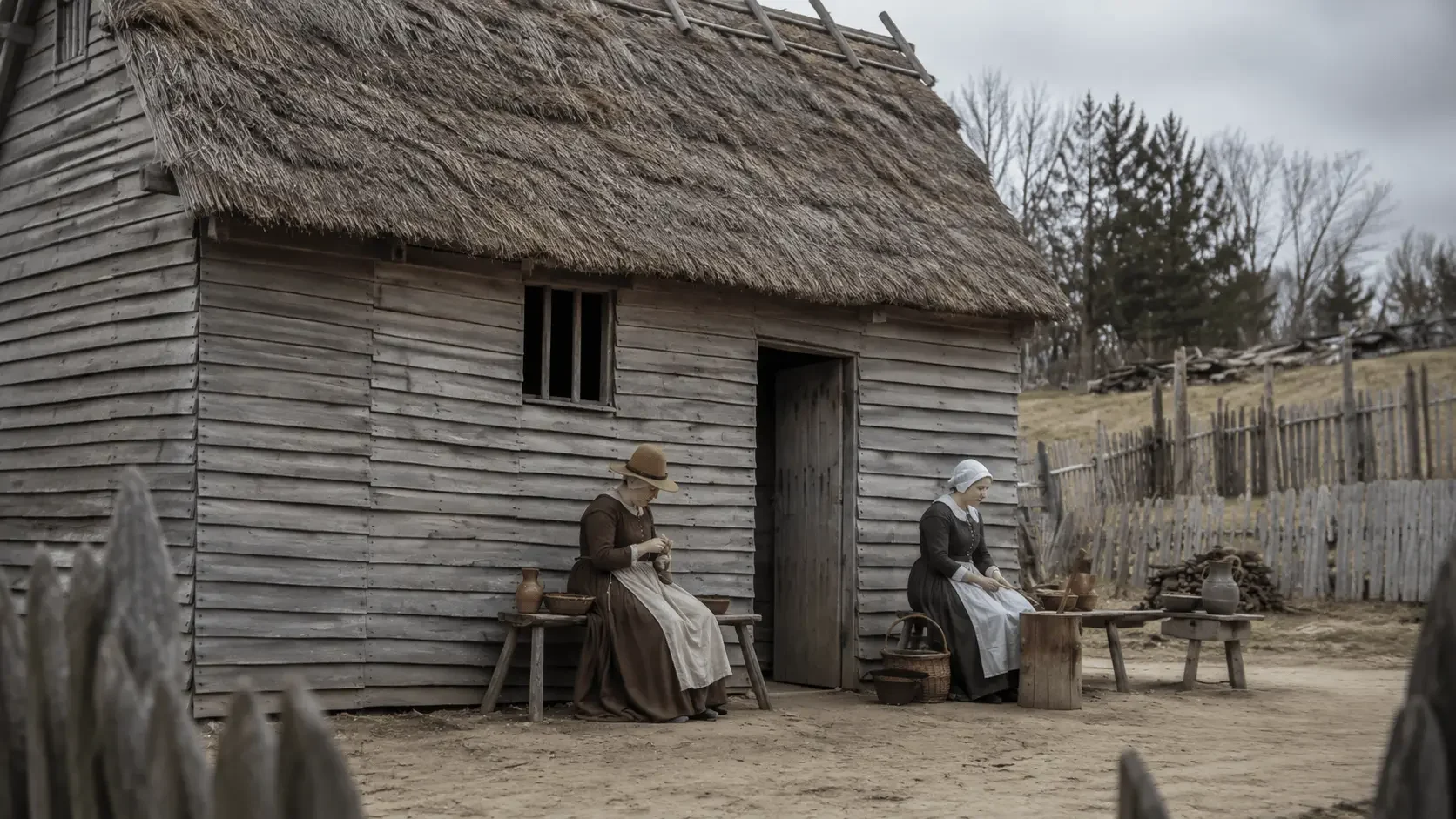
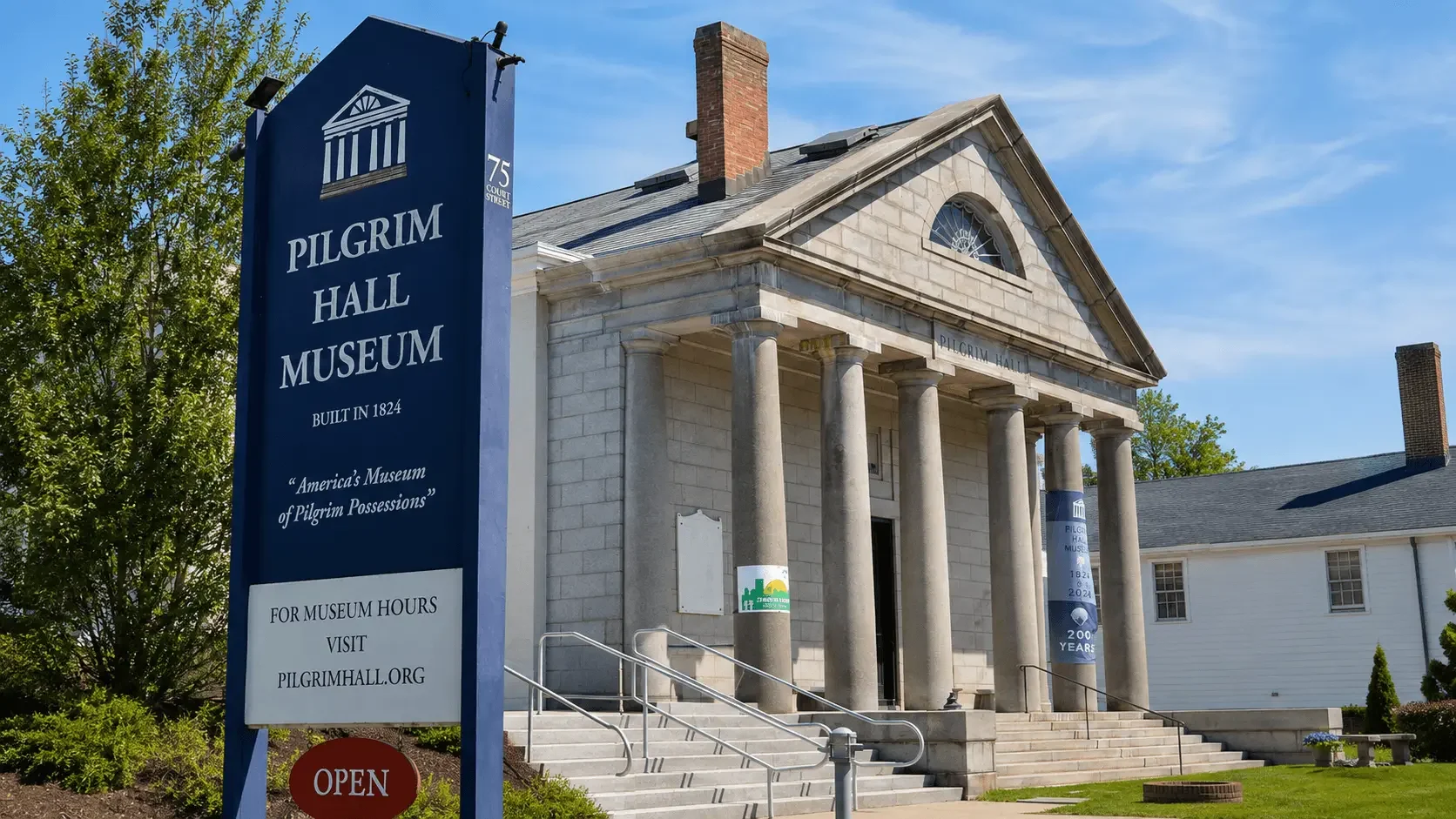
Today, Plimoth Patuxet Museums in Plymouth interprets both the English colonial settlement and Wampanoag history, offering one of the clearest places to explore the event’s setting and later memory. Visitors should understand that no surviving building can be identified as the exact location of the meal and that famous symbols such as Plymouth Rock are tied more to later tradition than to documented details of the 1621 harvest gathering.
Last updated August 13, 2026