About This Event
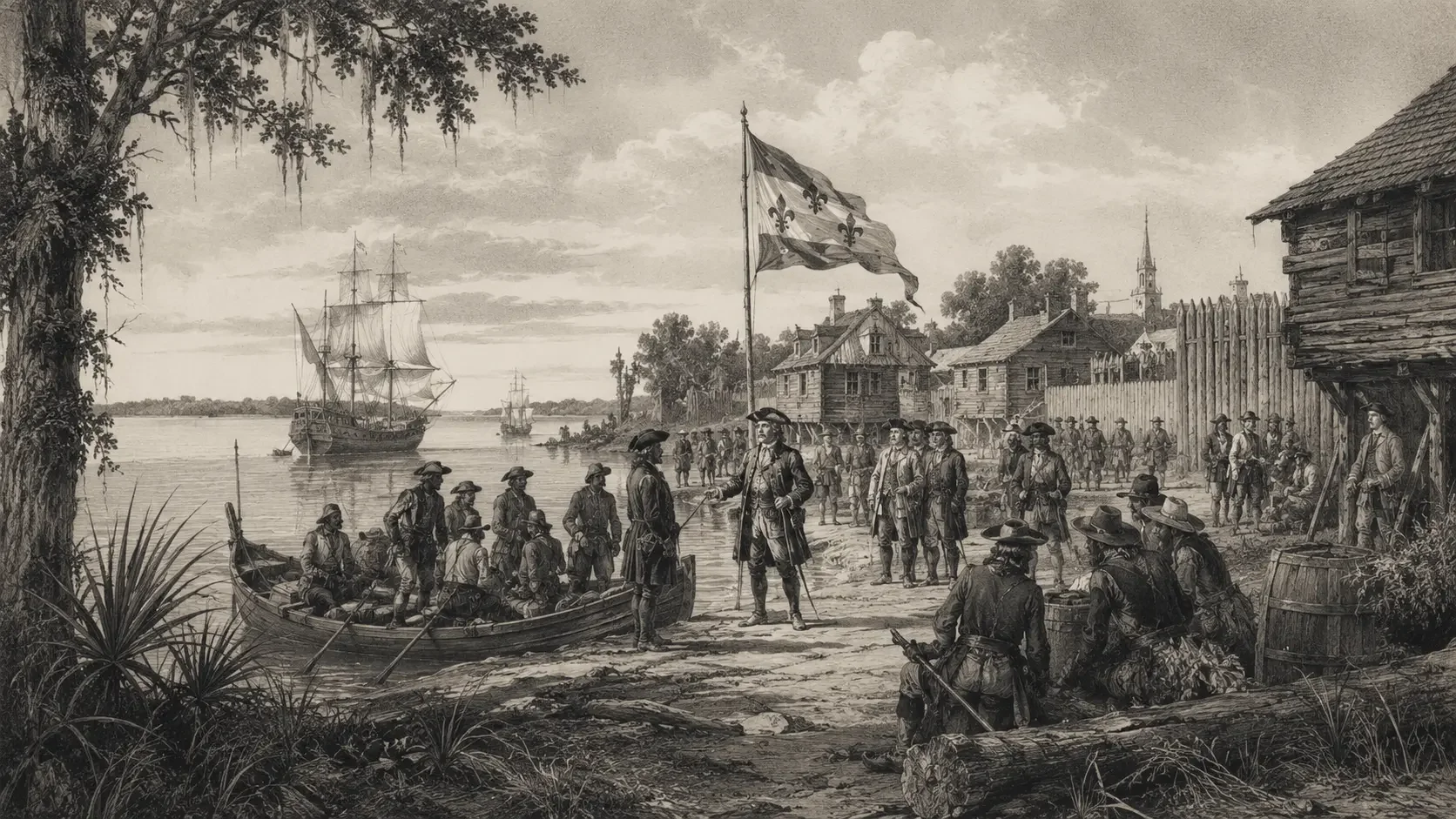
New Orleans was founded in 1718 as part of France’s effort to strengthen its control over the lower Mississippi River and the vast colony of Louisiana. French explorers and traders had been active in the region for years, and Jean-Baptiste Le Moyne de Bienville had traveled the lower Mississippi with his older brother, Pierre Le Moyne d’Iberville. French officials wanted a settlement that could help control traffic between the interior of North America and the Gulf of Mexico while limiting the influence of British and Spanish rivals. Bienville selected a site on the east bank of the Mississippi near the location of today’s French Quarter.
The site was strategic in part because Indigenous people already understood and used the region’s waterways and overland routes. A natural levee along the Mississippi connected to a portage leading toward Bayou St. John and Lake Pontchartrain, providing access between the river and the Gulf Coast without following the Mississippi’s long winding route to its mouth. Bienville named the settlement La Nouvelle-Orléans in honor of Philippe II, Duke of Orléans, the regent governing France for the young Louis XV. The early settlement was small, difficult to supply, vulnerable to flooding and storms, and built in an environment Europeans did not fully control.
The city developed gradually rather than appearing fully formed in a single founding moment. New Orleans became the capital of French Louisiana in 1722, and royal engineer Adrien de Pauger helped impose the street plan that became the core of the Vieux Carré, or French Quarter. The population included French and other European settlers, soldiers, laborers, Native people involved in regional trade and diplomacy, and enslaved Africans whose forced labor became fundamental to the colony’s economy. The early history of New Orleans therefore combined imperial ambition with Indigenous geography, Atlantic migration, coerced labor, and environmental adaptation.
New Orleans’s location ultimately made it one of the most important ports in North America. Control of the city meant influence over commerce moving through the Mississippi Valley. The city later passed from France to Spain, back to France, and then to the United States through the Louisiana Purchase in 1803. Its population and culture developed through French, Spanish, African, Caribbean, Native American, and later American influences, creating the distinctive Creole society for which the city became known.
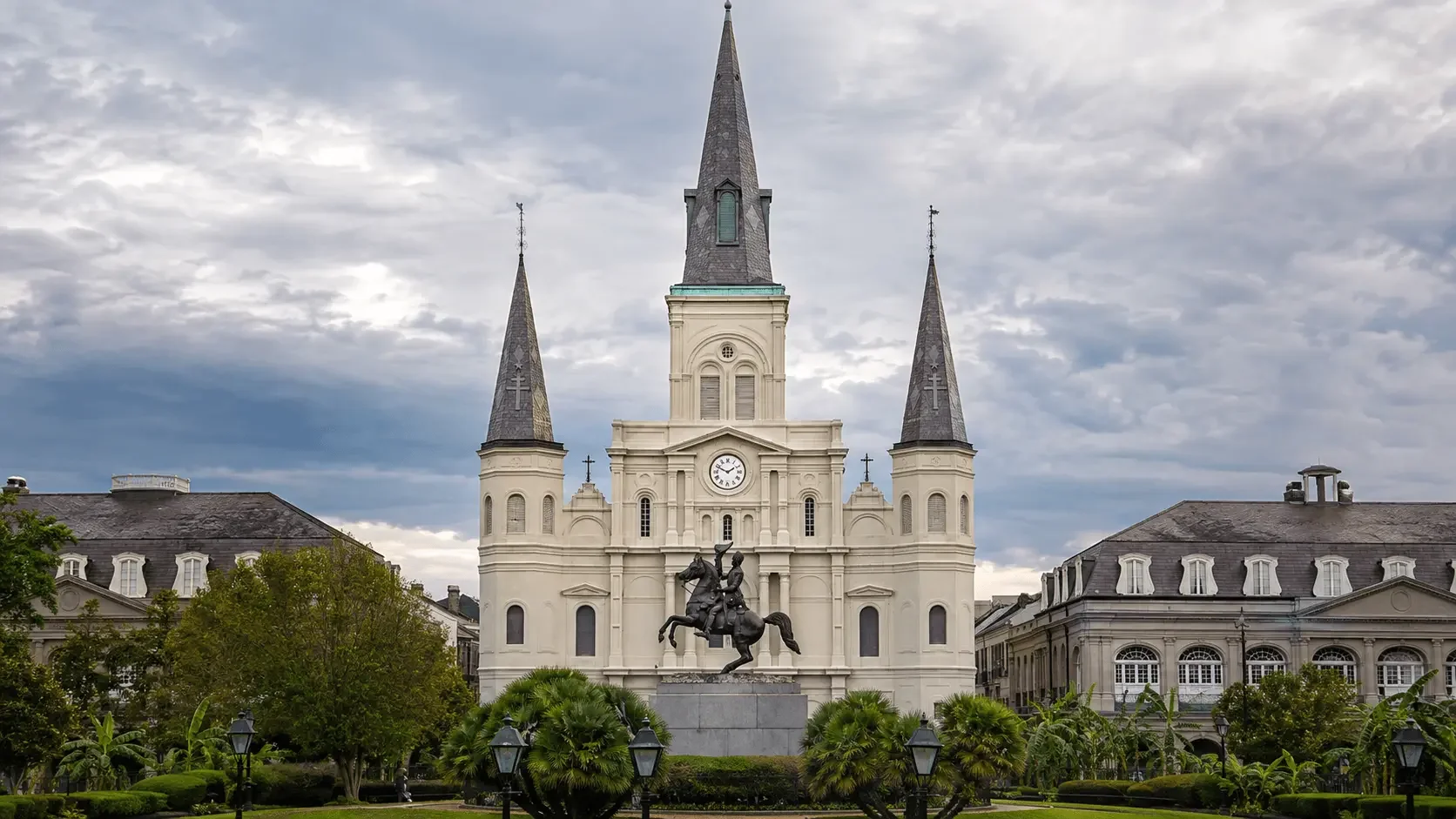
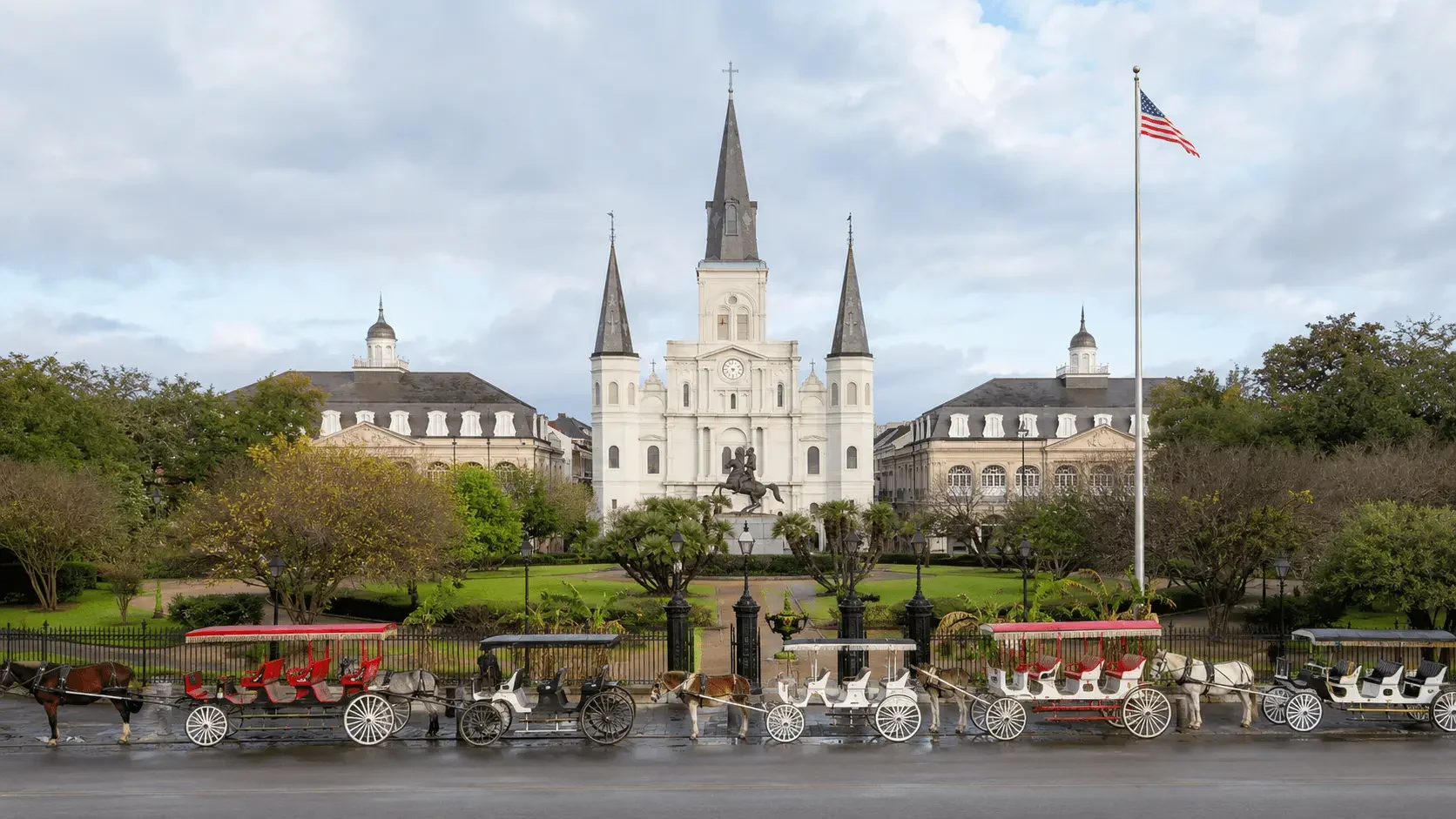
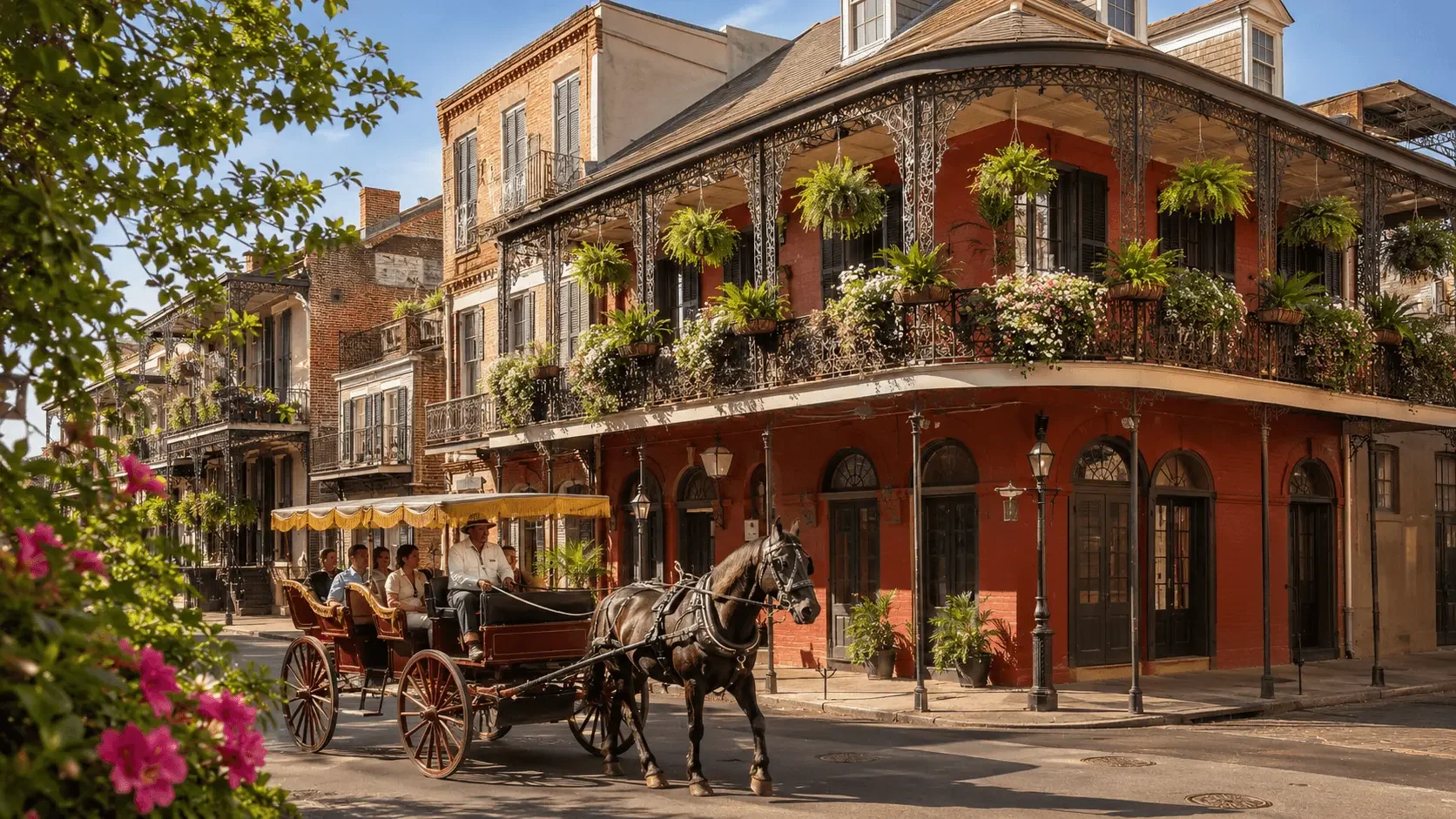
Visitors can still walk through the geographic heart of the early colonial city in the French Quarter. The Vieux Carré Historic District preserves the street pattern that emerged soon after the founding, while the French Quarter Visitor Center of Jean Lafitte National Historical Park and Preserve interprets the region’s colonial history. The modern city is far larger than Bienville’s settlement, but its enduring relationship with the Mississippi River and Bayou St. John reflects the same strategic geography that led to New Orleans’s establishment in 1718.
Last updated August 13, 2026