About Appomattox Court House National Historical Park
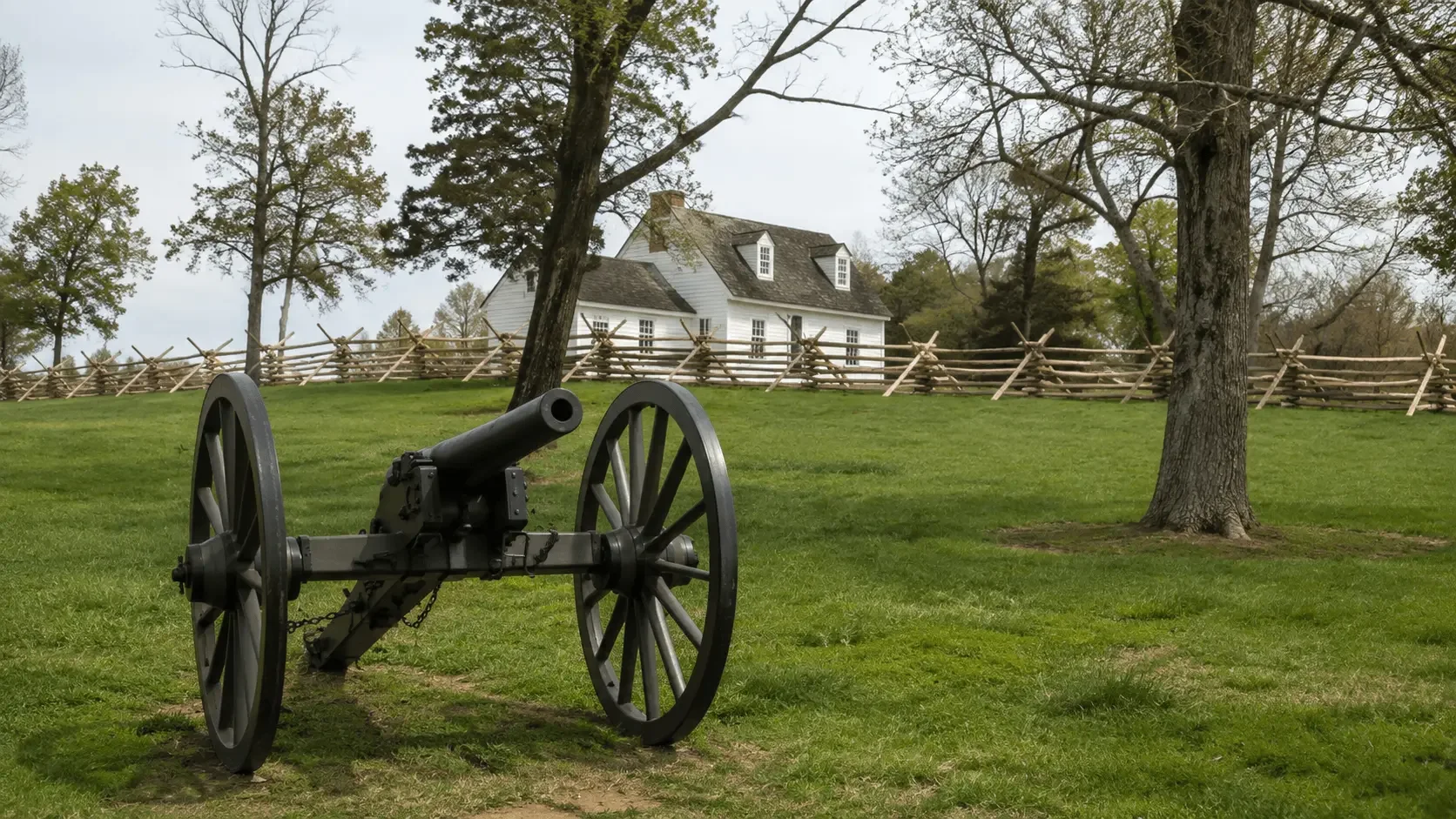
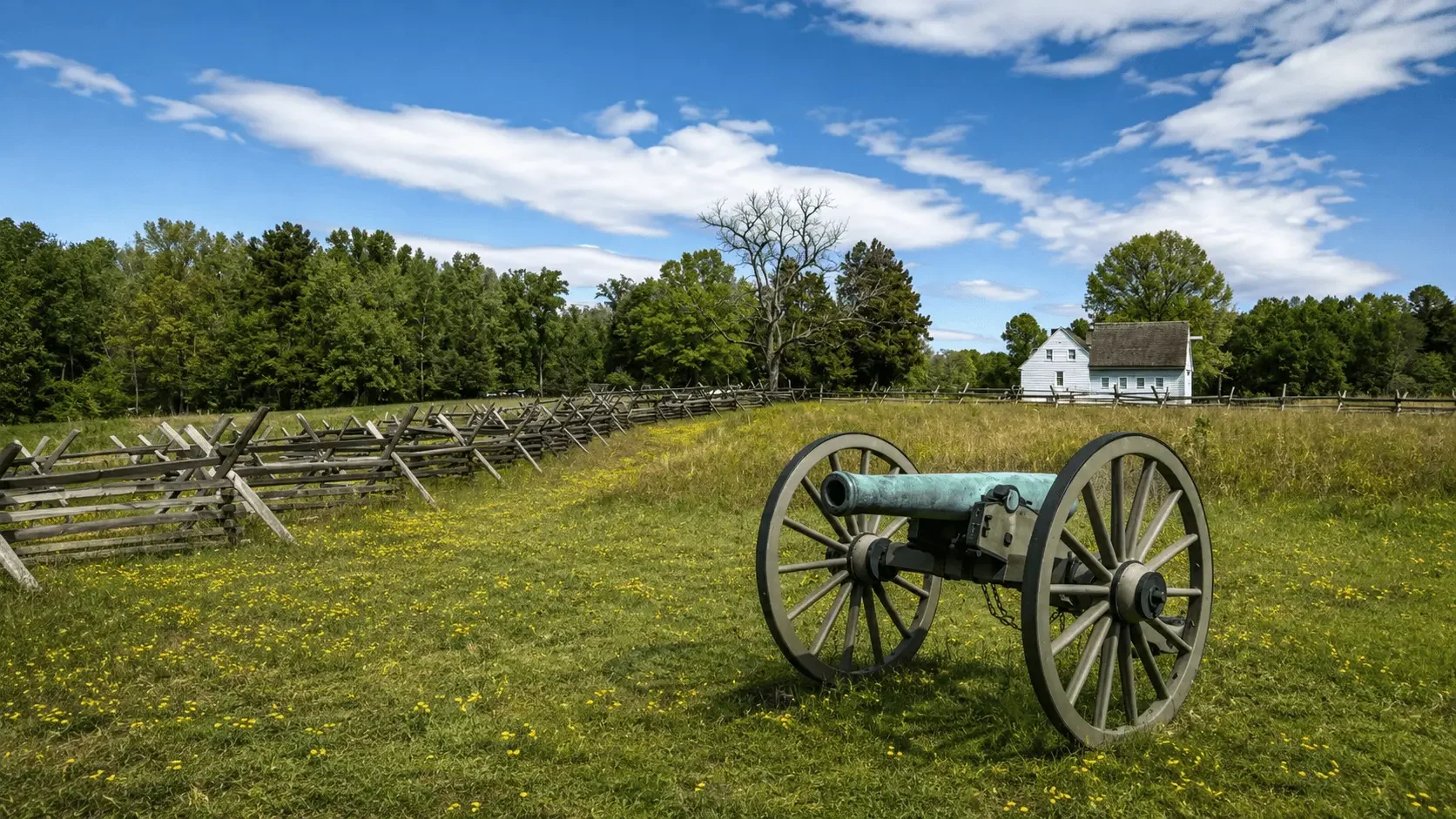
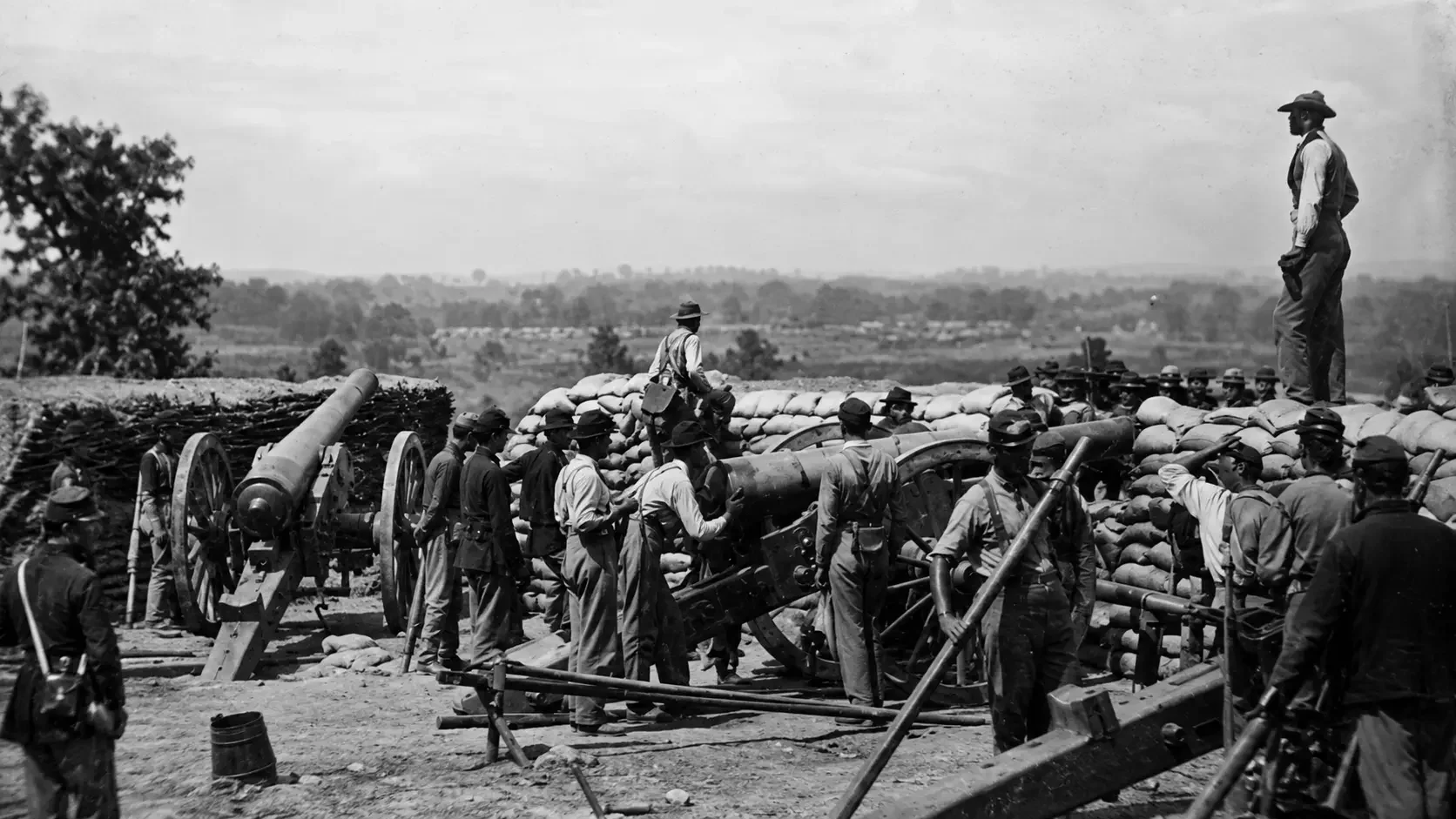
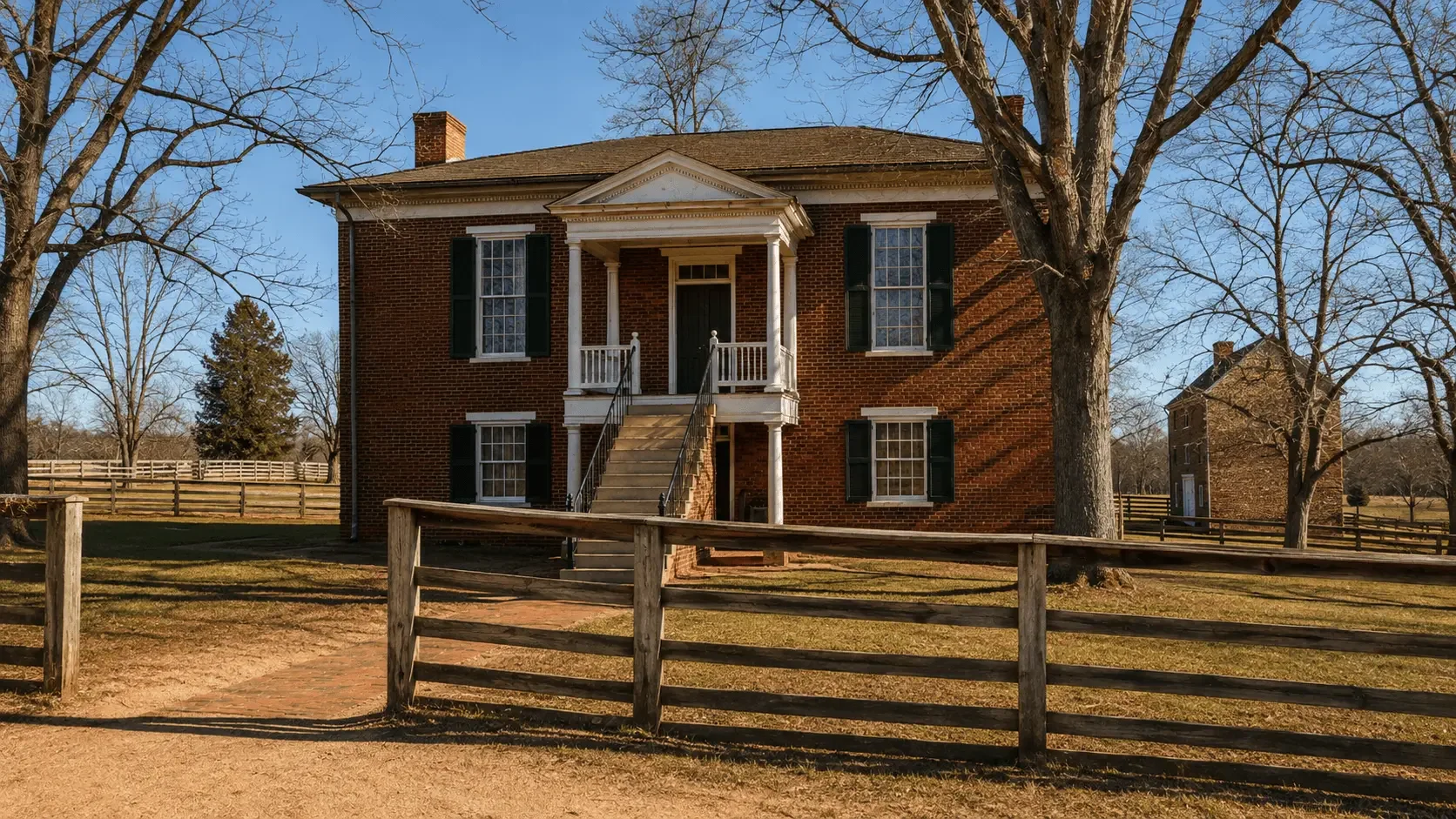
Appomattox Court House National Historical Park preserves the nineteenth-century Virginia village where General Robert E. Lee surrendered the Army of Northern Virginia to Lieutenant General Ulysses S. Grant on April 9, 1865. The meeting in the McLean House signaled the effective end of the nation's largest war and opened difficult new questions about reunification, emancipation, citizenship, and the transition from war to peace.
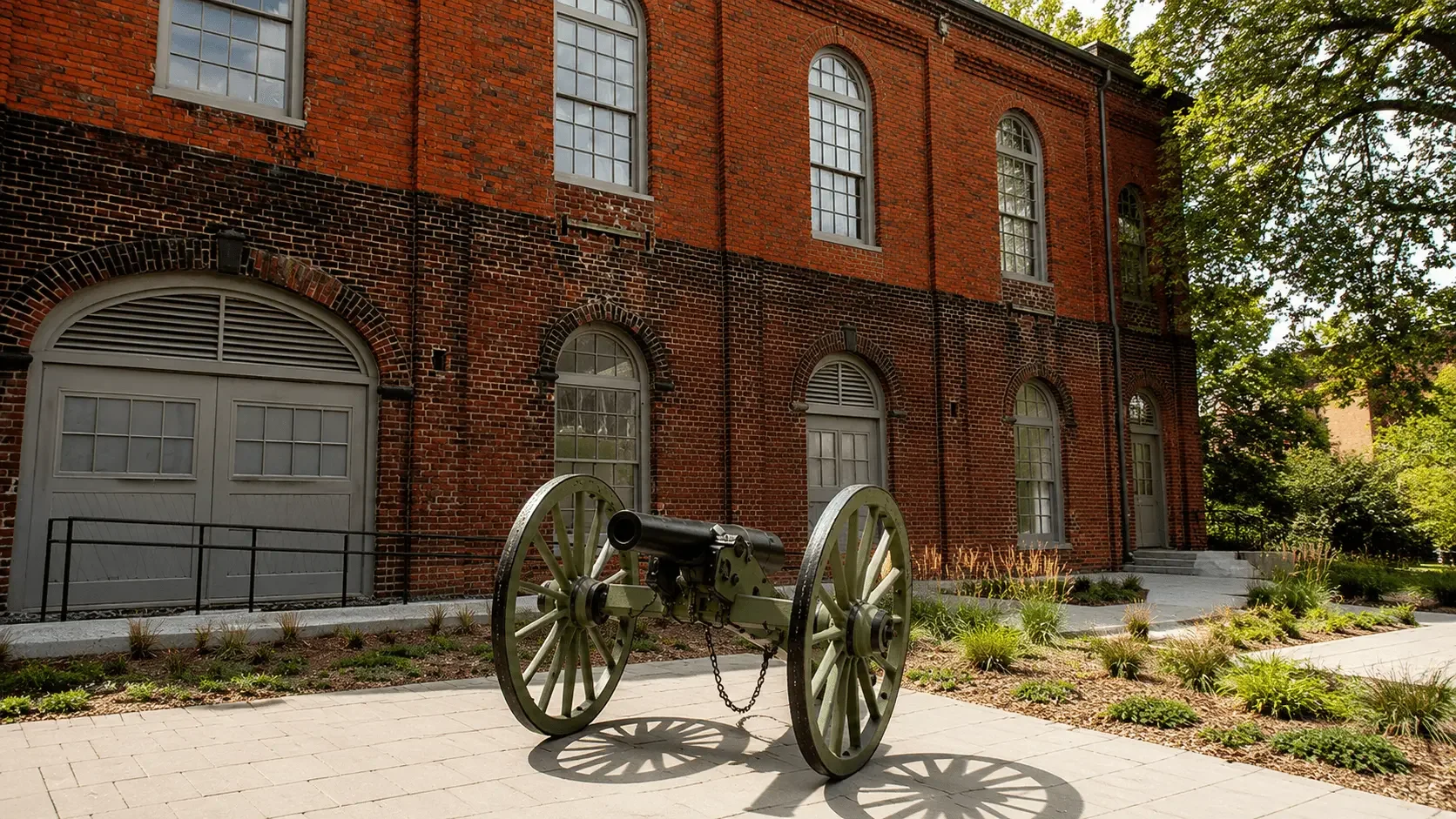
Visitors begin at the reconstructed courthouse, which serves as the park visitor center and contains exhibits and an orientation film. From there they can explore the McLean House, Clover Hill Tavern, Meeks Store, domestic and commercial buildings, military surrender sites, monuments, and walking trails across the preserved village landscape. Ranger talks and living-history programs are offered more frequently during the warmer season, while access to some staffed buildings may be more limited in winter.
The park is worth visiting because the surviving landscape makes the surrender and its aftermath far more tangible than a museum display alone. Its interpretation also extends beyond Grant and Lee to soldiers, United States Colored Troops, enslaved and newly emancipated people, local civilians, and the practical process of parole and return home.