
About This Event
St. Augustine was founded on September 8, 1565, when Spanish admiral Pedro Menéndez de Avilés established a settlement on the northeast Florida coast. Spain had claimed Florida decades earlier, but earlier attempts to create a lasting colony had failed. By the 1560s, the region had become strategically urgent because Spain wanted to protect the Gulf Stream route used by treasure fleets and block rival European powers from gaining a foothold. A French Protestant colony at Fort Caroline, near the St. Johns River, directly challenged Spanish claims, and King Philip II sent Menéndez to establish Spanish authority and remove the French presence.
Menéndez entered the area around Matanzas Bay and established his settlement at a Timucua village associated with Chief Seloy. The newcomers initially used Seloy’s council house and surrounding area for shelter. A Catholic Mass of thanksgiving was celebrated after the landing, and Spanish accounts describe a meal involving the settlers and local Indigenous people. The founding party included soldiers, sailors, settlers, clergy, and people of African descent, both free and enslaved. St. Augustine was therefore from its beginning a colonial community shaped by European imperial ambitions, Indigenous homelands, Catholic missions, military priorities, and Atlantic slavery.
The founding was closely tied to violent competition between Spain and France. Soon after establishing St. Augustine, Menéndez moved against Fort Caroline while a storm disrupted a French naval effort against the new Spanish settlement. Spanish forces captured the French post and killed many of its defenders. Menéndez later confronted shipwrecked French forces near an inlet south of St. Augustine, where many prisoners were executed after surrendering. These events strengthened Spain’s control of northeast Florida and gave the new settlement a chance to survive, but they also demonstrate that St. Augustine’s establishment was part of a broader struggle for empire rather than an isolated act of town founding.
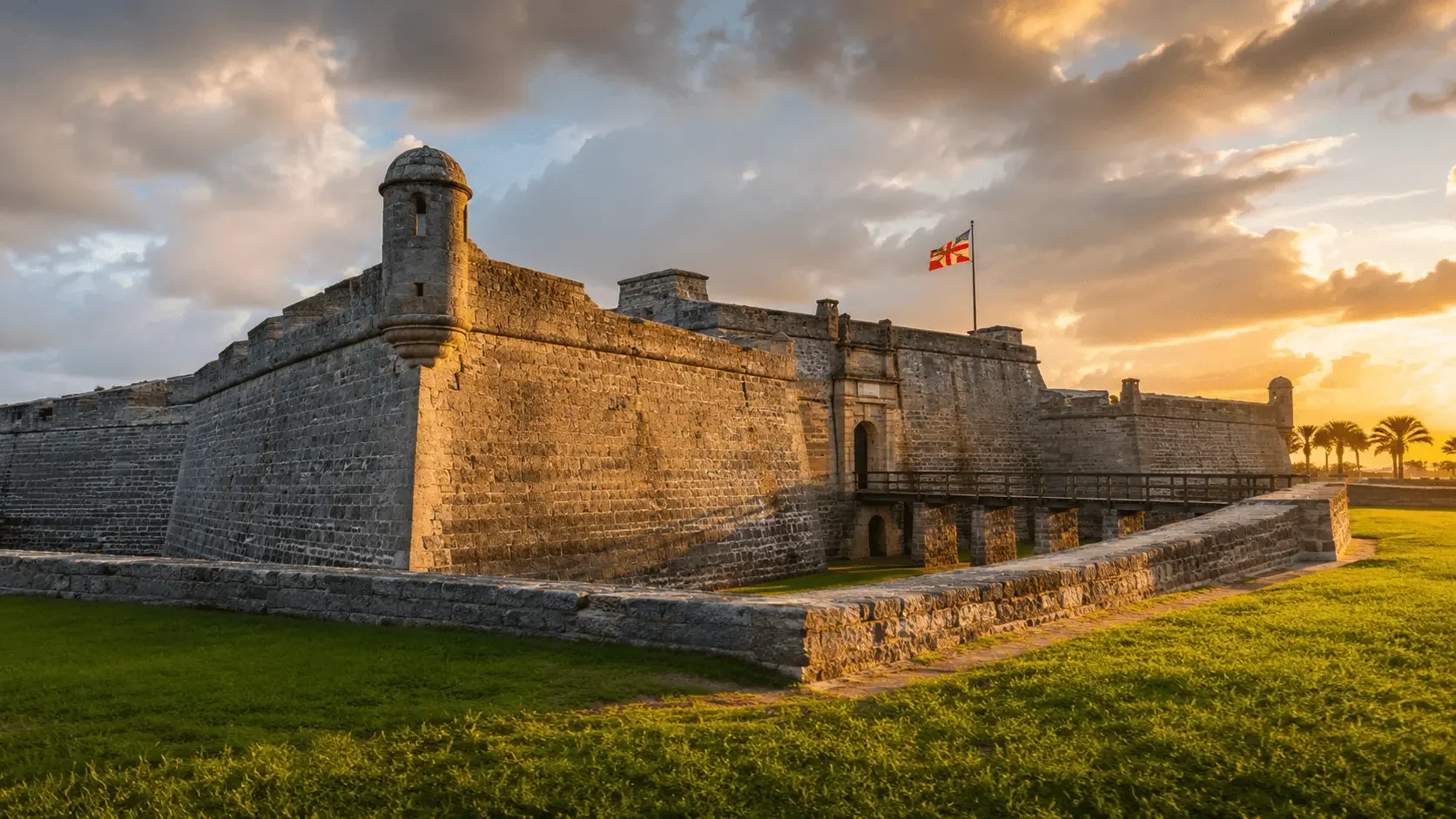
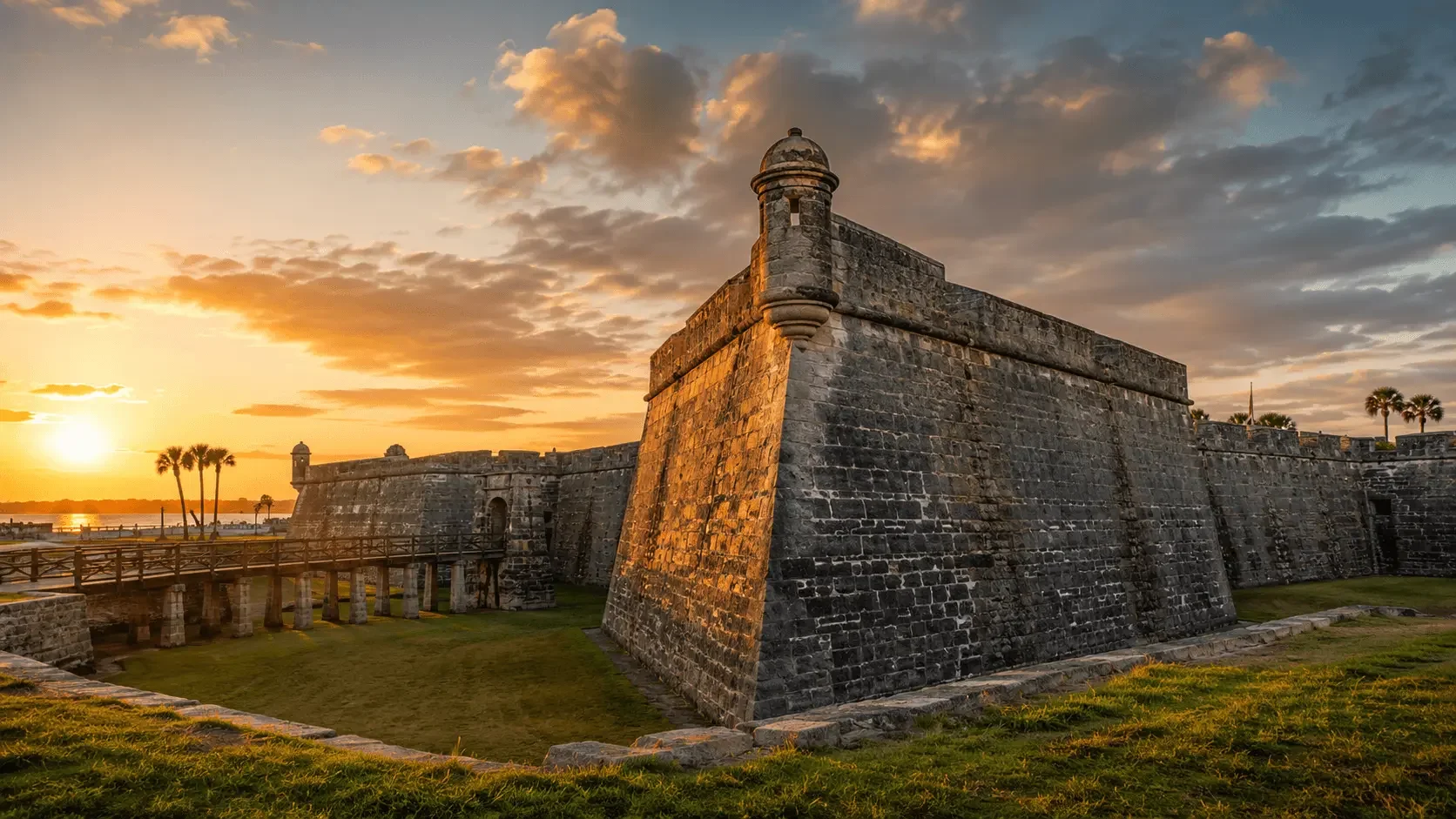
St. Augustine endured attacks, fires, changes of imperial rule, and repeated rebuilding over the following centuries. Spain developed it as a military outpost, administrative center, and base for Catholic missions. The settlement later became protected by the Castillo de San Marcos, begun in 1672. Florida passed to Britain in 1763, returned to Spain in 1784, and became part of the United States in 1821. Through those transitions, St. Augustine remained continuously occupied, giving it a distinctive place in the history of European colonization in what became the continental United States.
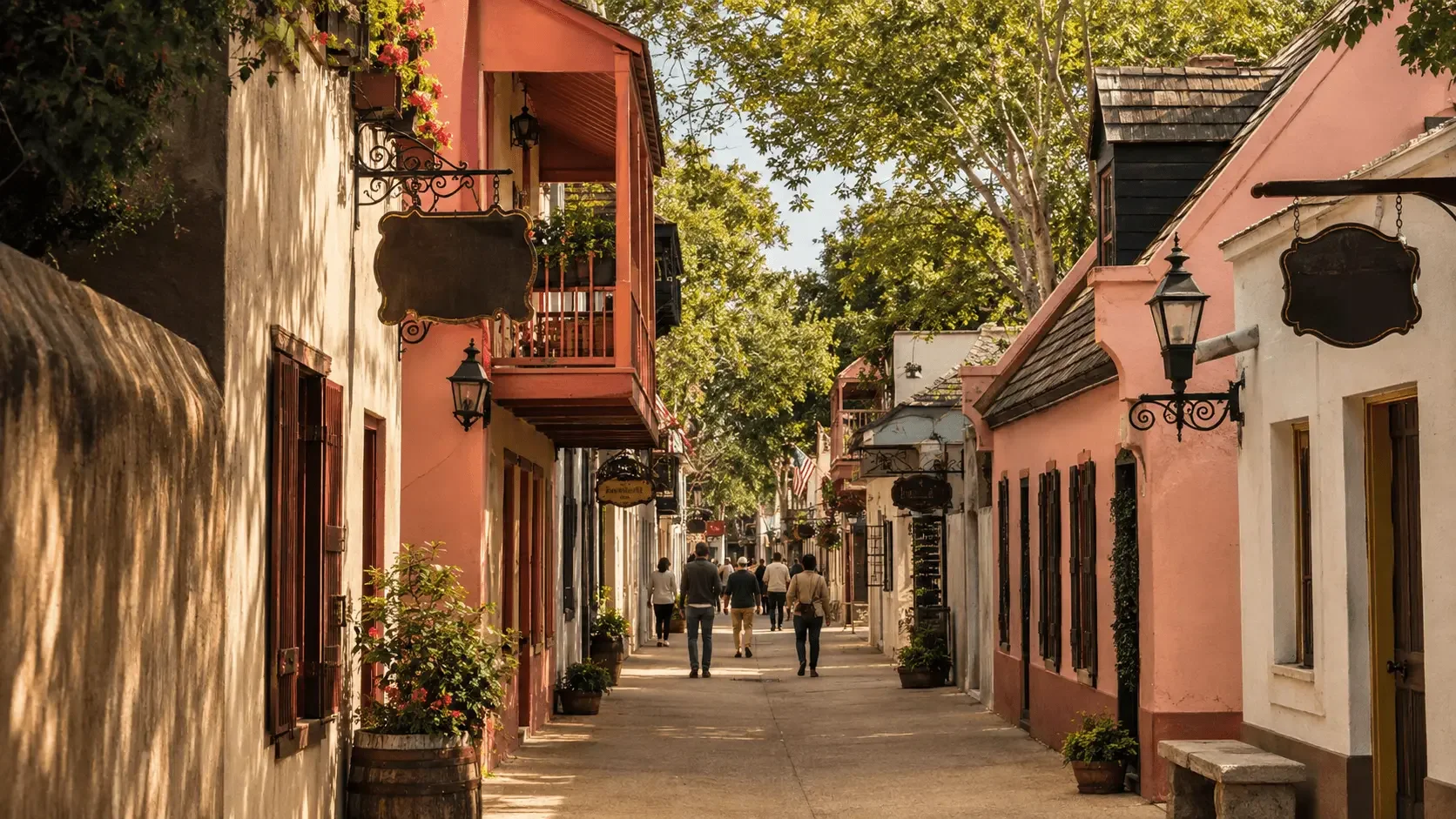
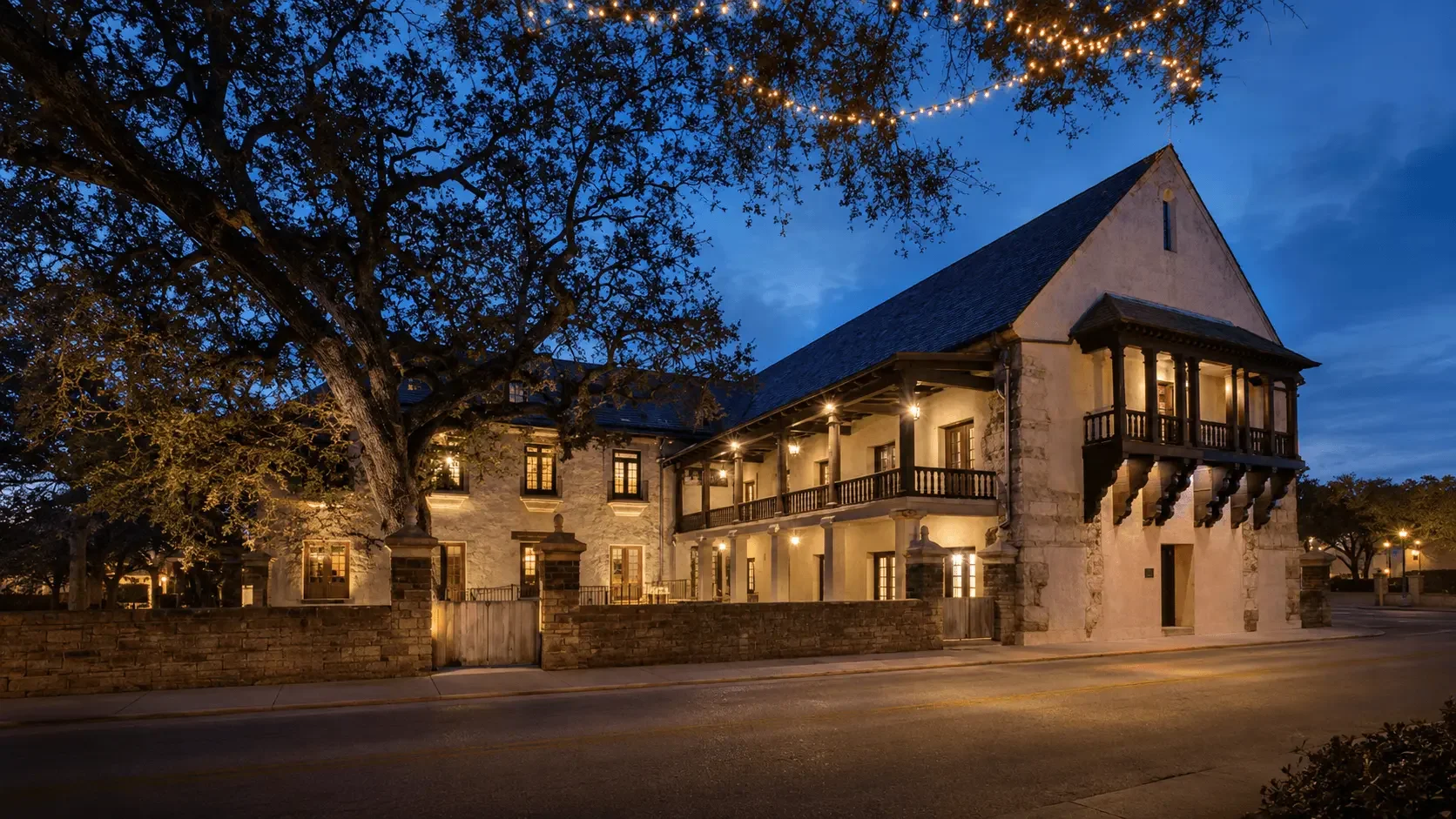
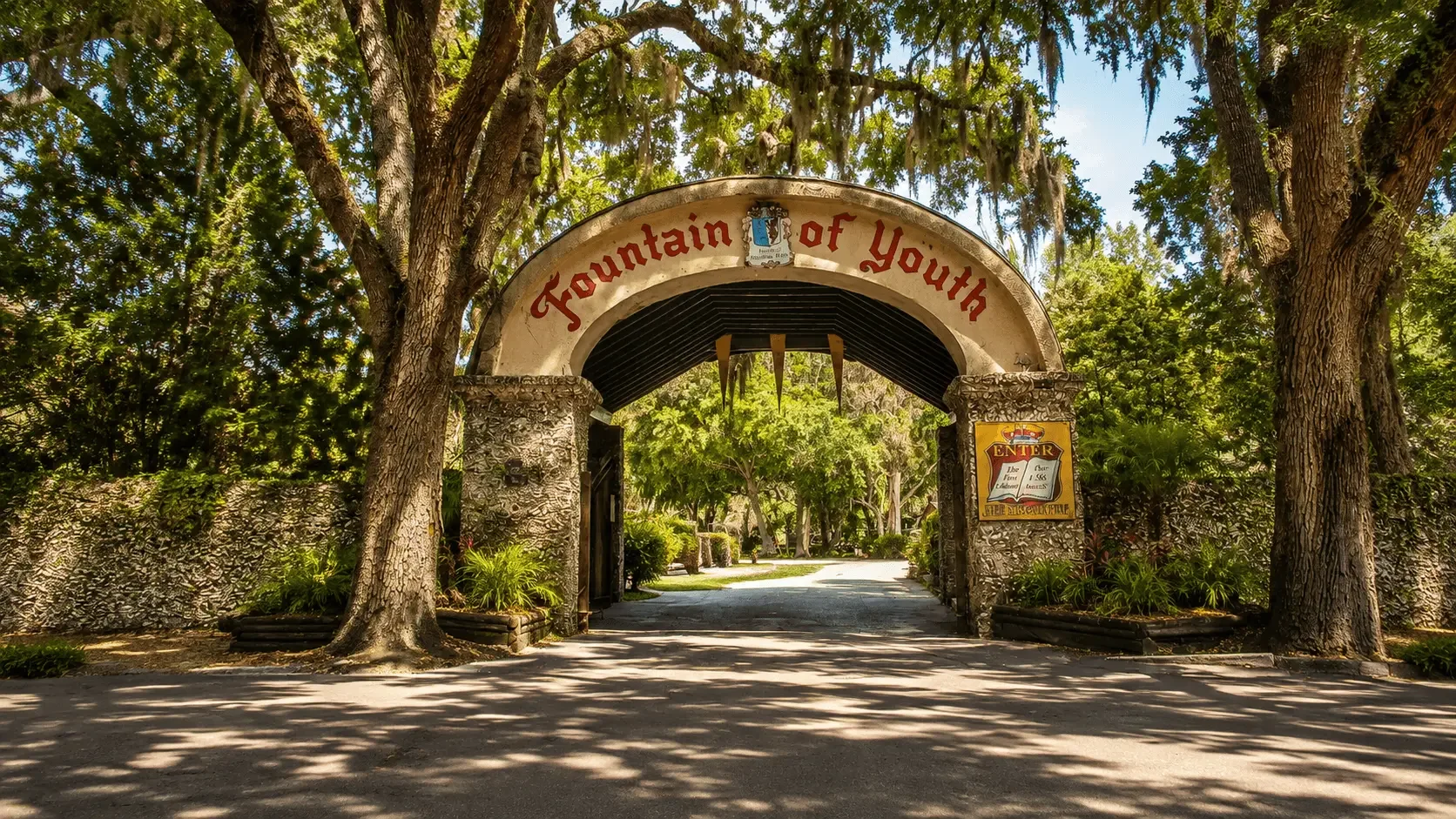
Visitors can still experience the geography of the early settlement in St. Augustine. Archaeological work at the Fountain of Youth Archaeological Park has identified the Seloy village area associated with the 1565 settlement, while the St. Augustine Town Plan Historic District preserves the colonial urban core that developed later. These places help connect the city’s familiar Spanish architecture with the more complicated founding story of Timucua homelands, imperial rivalry, religion, military power, and slavery.
Last updated August 13, 2026