About Canoe Camp
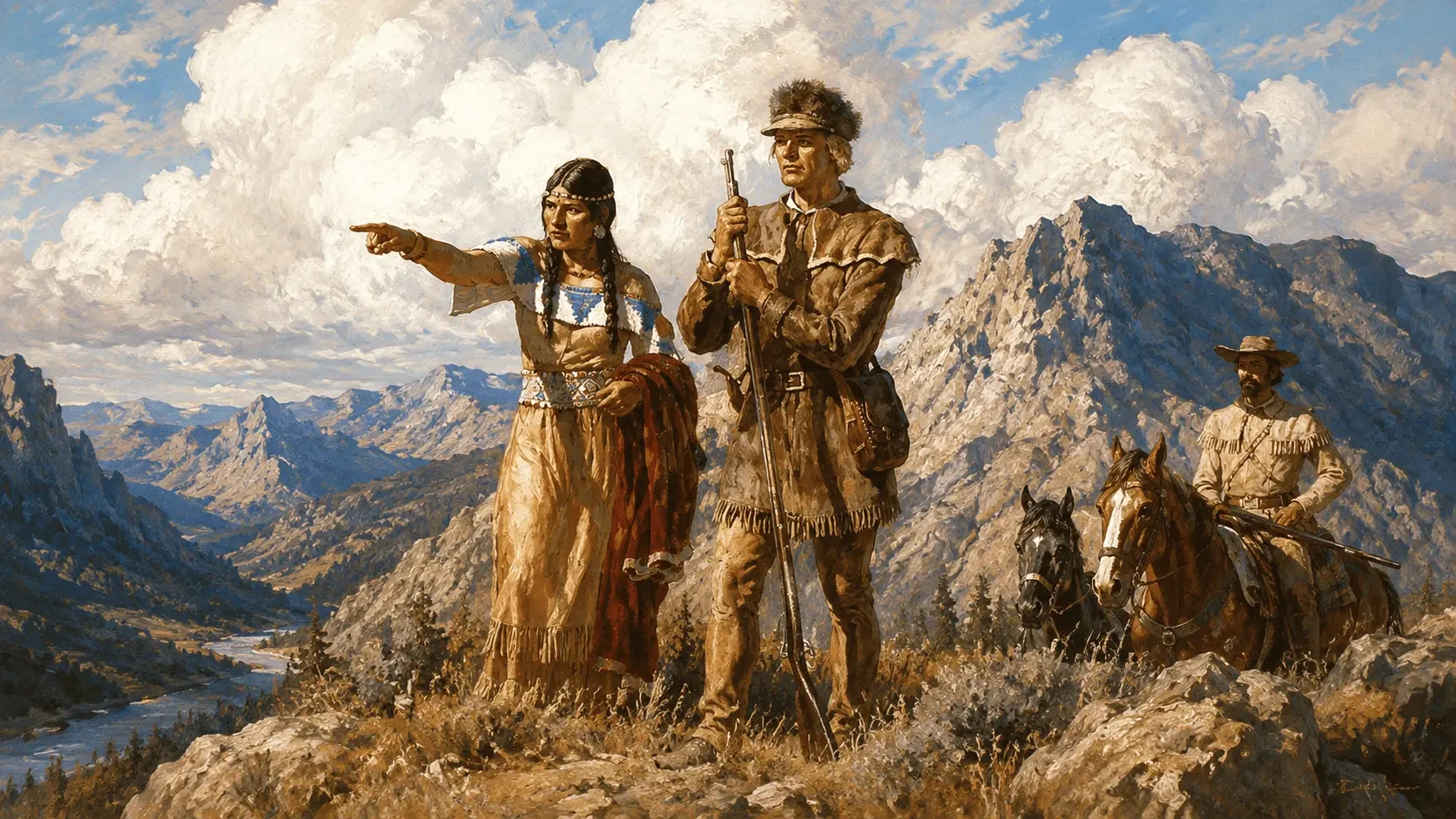
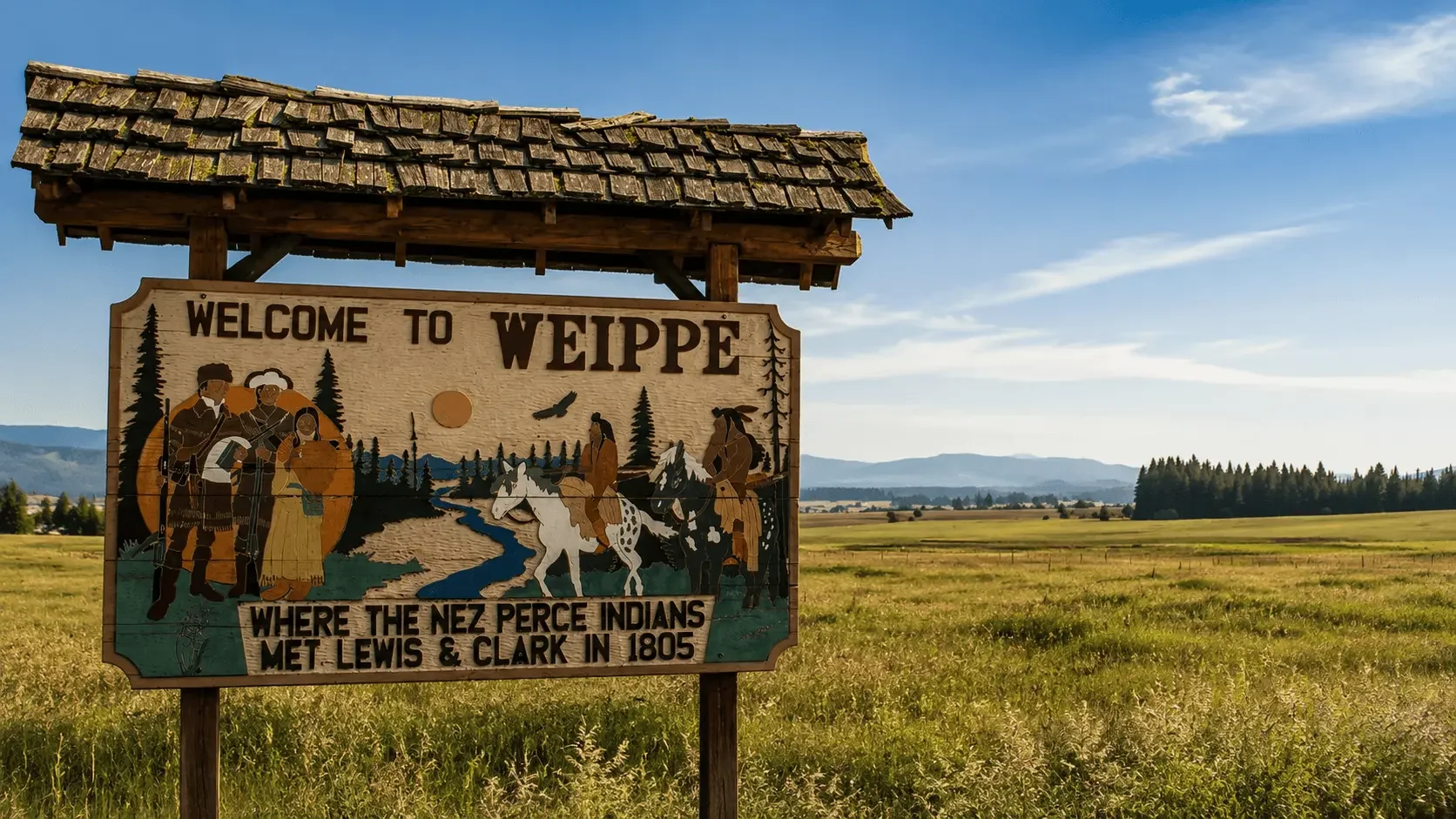
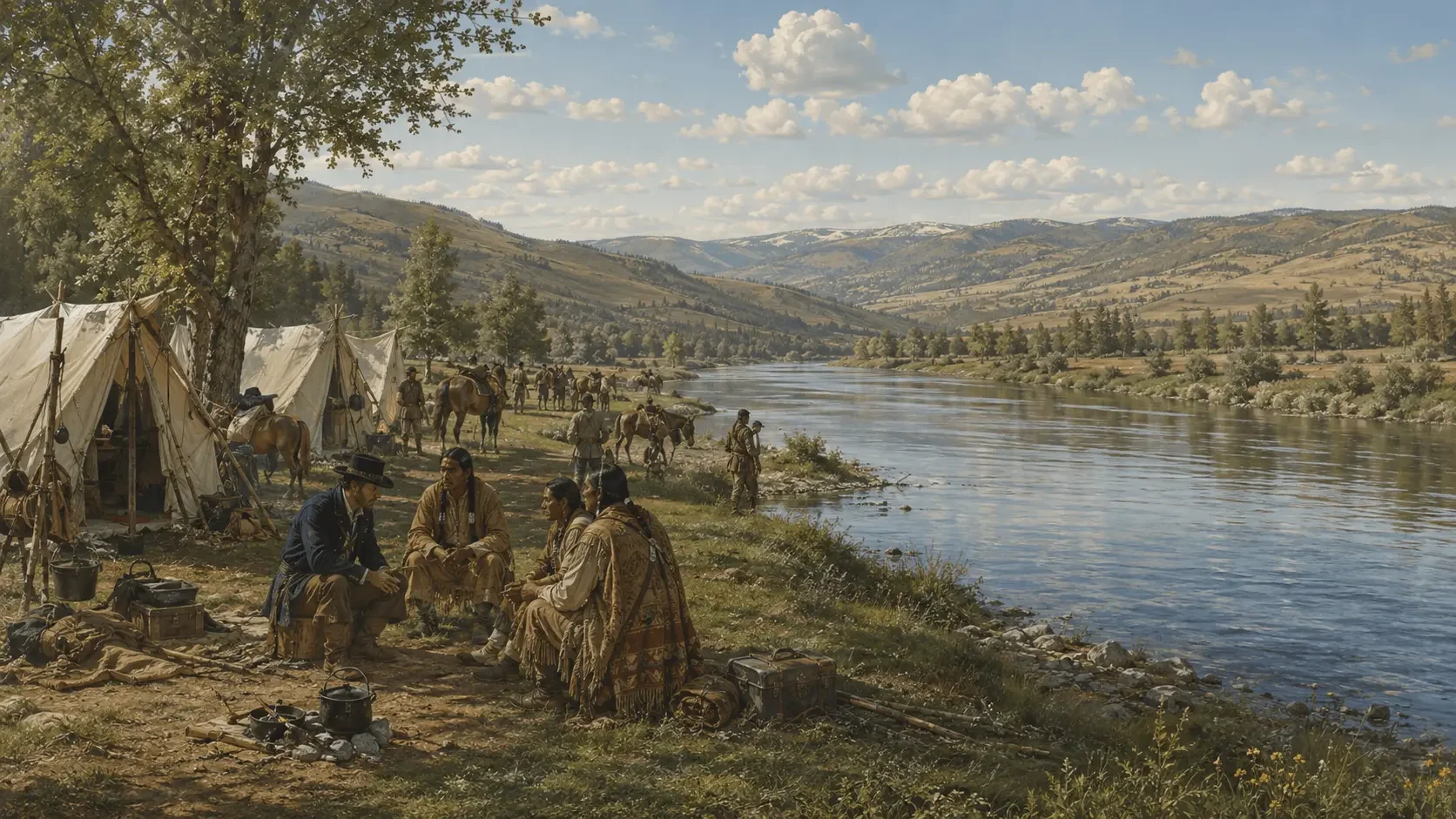
Canoe Camp preserves a place along the Clearwater River where the Lewis and Clark Expedition stopped in late September 1805 after its difficult crossing of the Bitterroot Mountains. The expedition arrived in Nez Perce country weakened by hunger and illness. At this riverside camp, members of the Corps worked with assistance from the Nez Perce as they prepared to continue west by water.
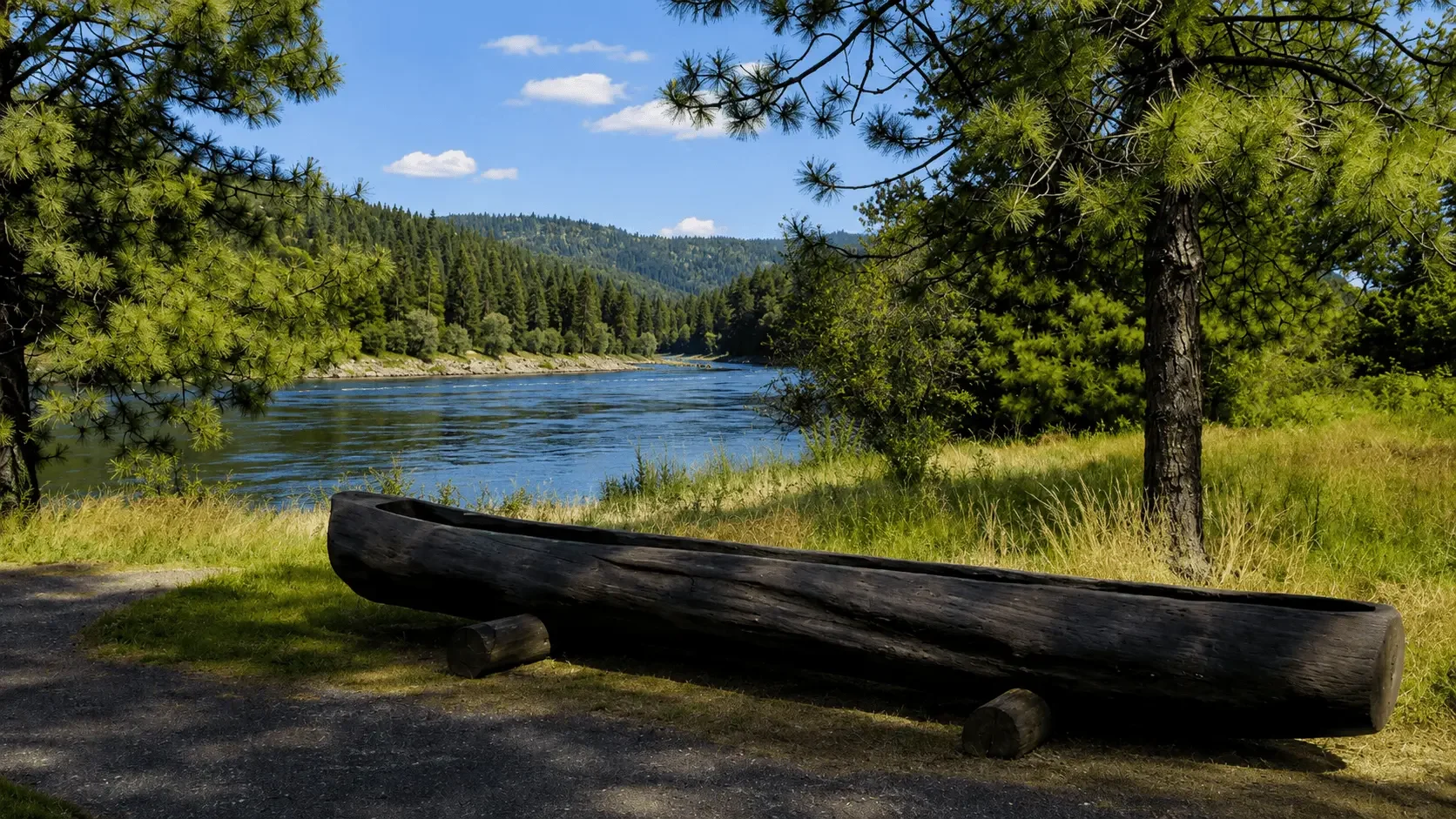
Over roughly twelve days, the Corps carved five dugout canoes from large trees. The new boats allowed the expedition to leave its horses behind in the care of the Nez Perce and descend the Clearwater River toward the Snake and Columbia rivers. The site illustrates how the expedition's progress depended not only on its own labor but also on the help, knowledge, food, and resources provided by the Nez Perce.
Today, the 4.1-acre site includes a short walking trail, interpretive signs, restrooms, and access to the riverside landscape. Visitors can learn about the canoe-building process and the interactions between the Corps of Discovery and the Nez Perce while standing close to the place where the expedition transformed from an overland party into a river-traveling one.