1803–1890
Westward Expansion
Settlers, explorers, railroads, and the federal government pushed westward, often displacing Native peoples and transforming the land.
Defining Moments
Key Historical Events

1836
Battle of The Alamo
Westward Expansion
Mexican forces under Antonio López de Santa Anna captured the Alamo after a thirteen-day siege in 1836, killing its defenders and creating a rallying symbol during the Texas Revolution.
Explore Event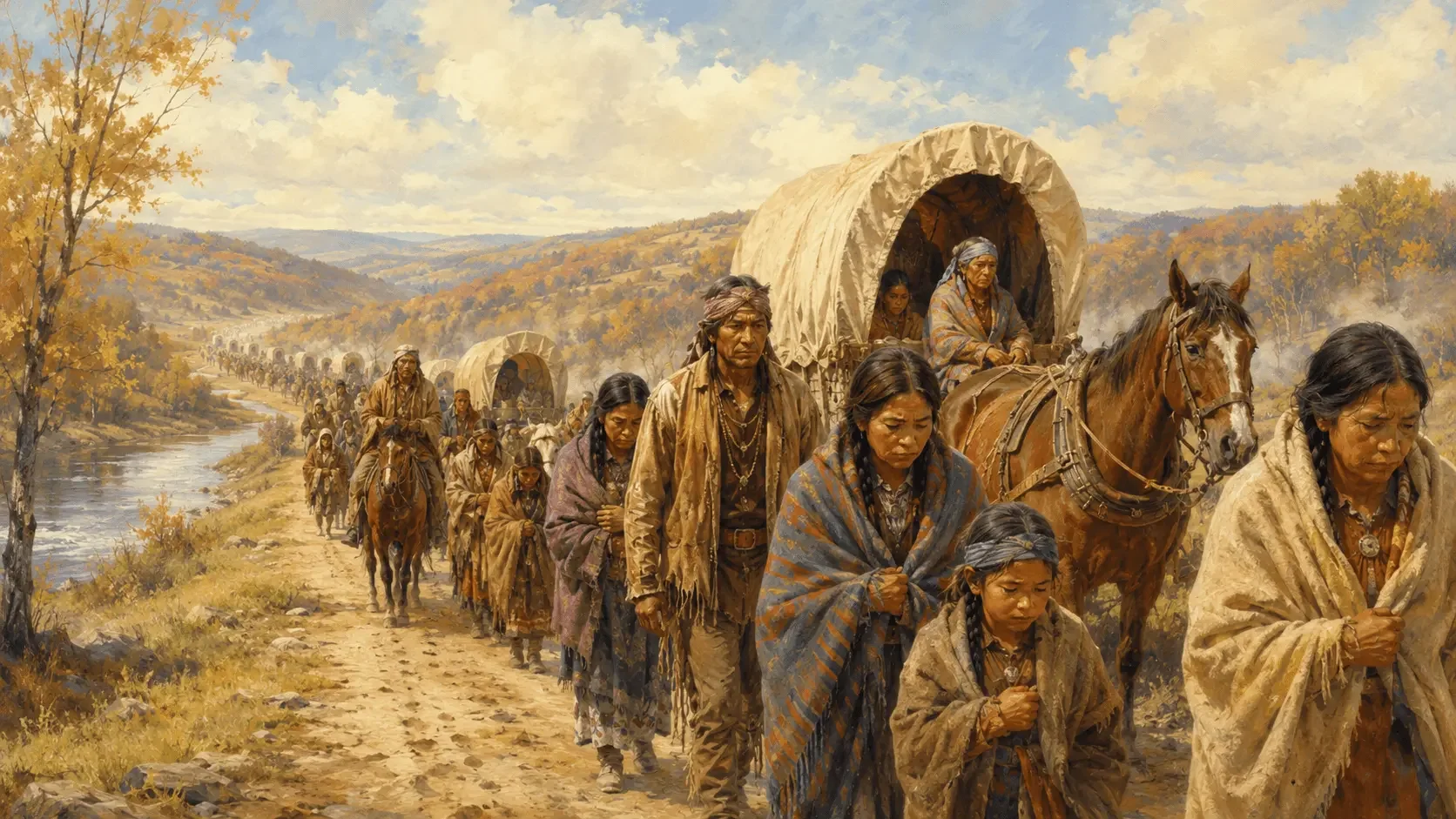
1838–1839
Trail of Tears
Westward Expansion
The Trail of Tears was the forced removal of the Cherokee Nation from its southeastern homelands to Indian Territory, causing widespread suffering and thousands of deaths.
Explore Event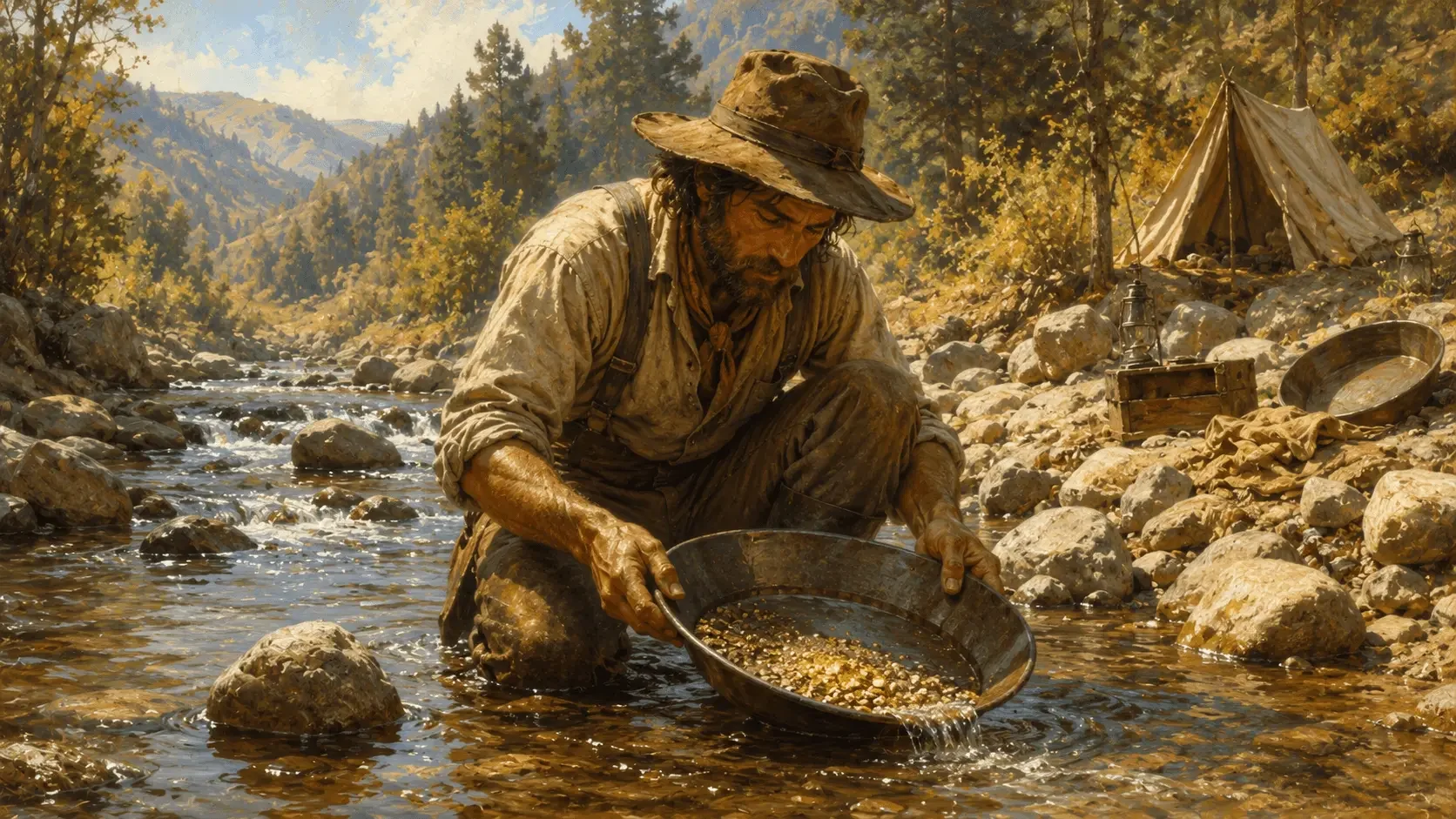
1848–1855
California Gold Rush
Westward Expansion
The California Gold Rush drew people from around the world after gold was discovered at Sutter’s Mill, rapidly transforming California’s population, economy, environment, and communities.
Explore EventHistoric Places
Explore Destinations From This Era
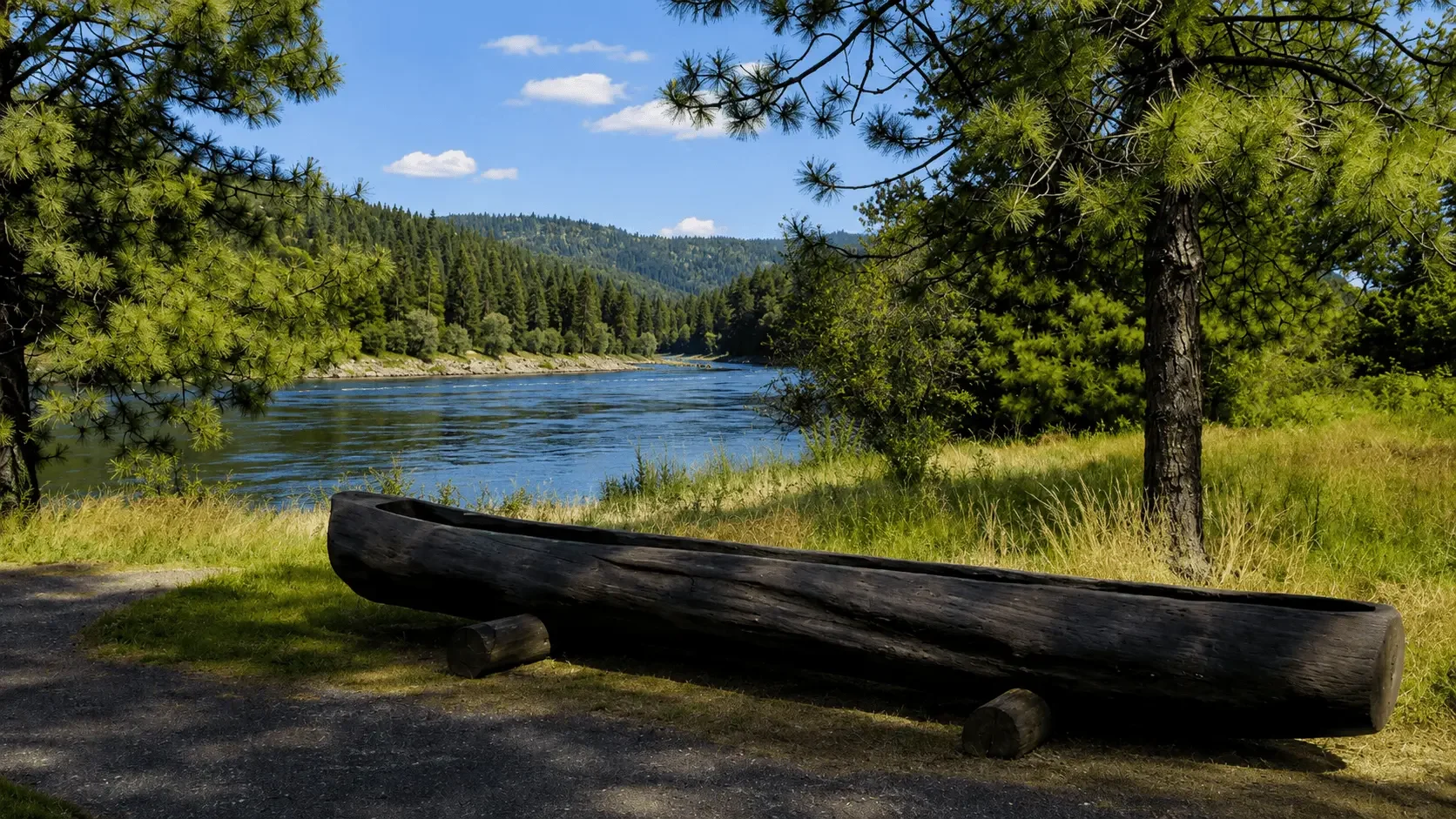
Canoe Camp
Orofino, ID
A Nez Perce National Historical Park site near Orofino where the Nez Perce helped the Lewis and Clark Expedition build dugout canoes for the westward journey in 1805.
View Details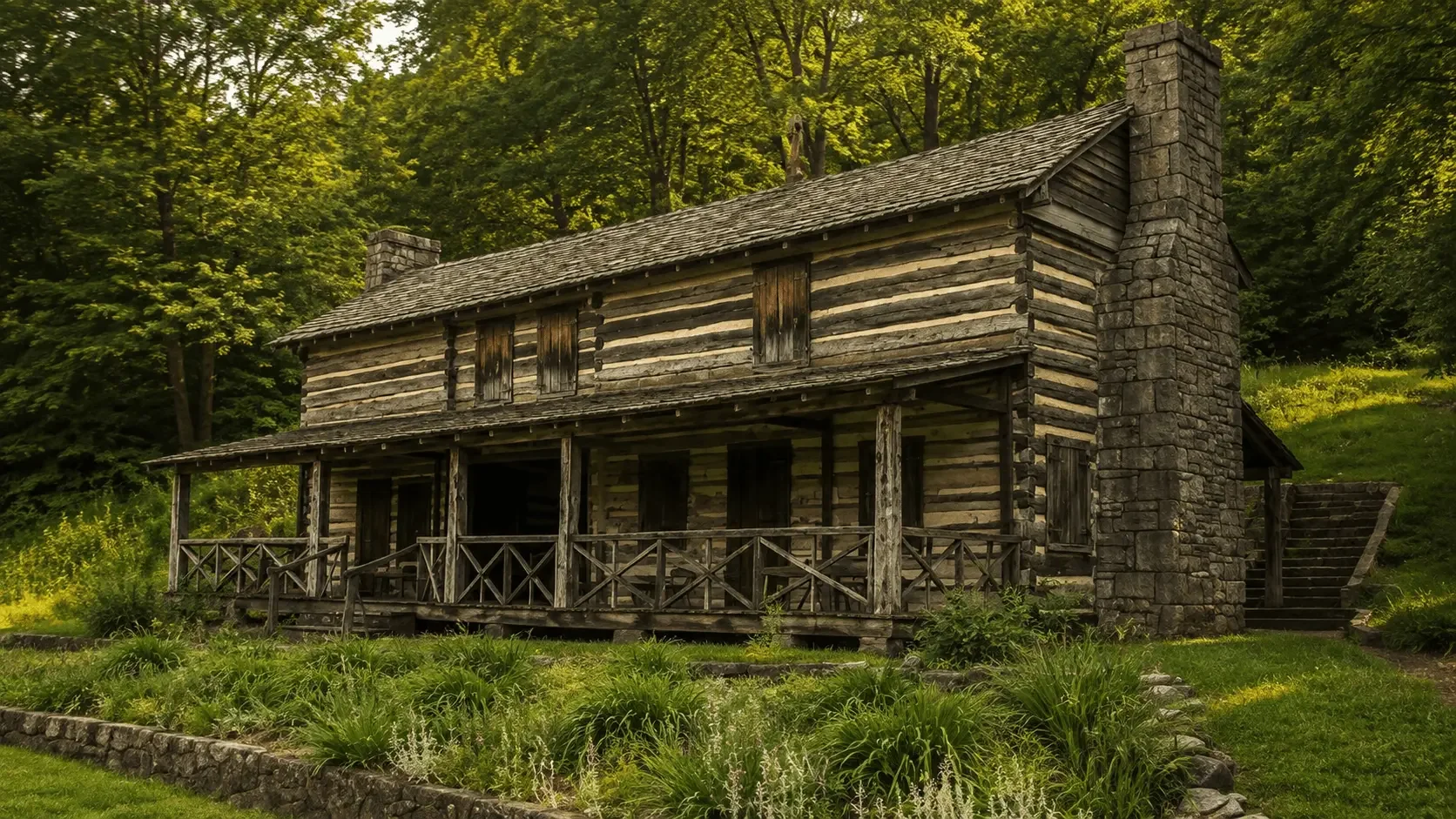
Chief John Ross House
Rossville, GA
A preserved Cherokee-associated log house in Rossville connected to Principal Chief John Ross and the history that culminated in Cherokee removal along the Trail of Tears.
View Details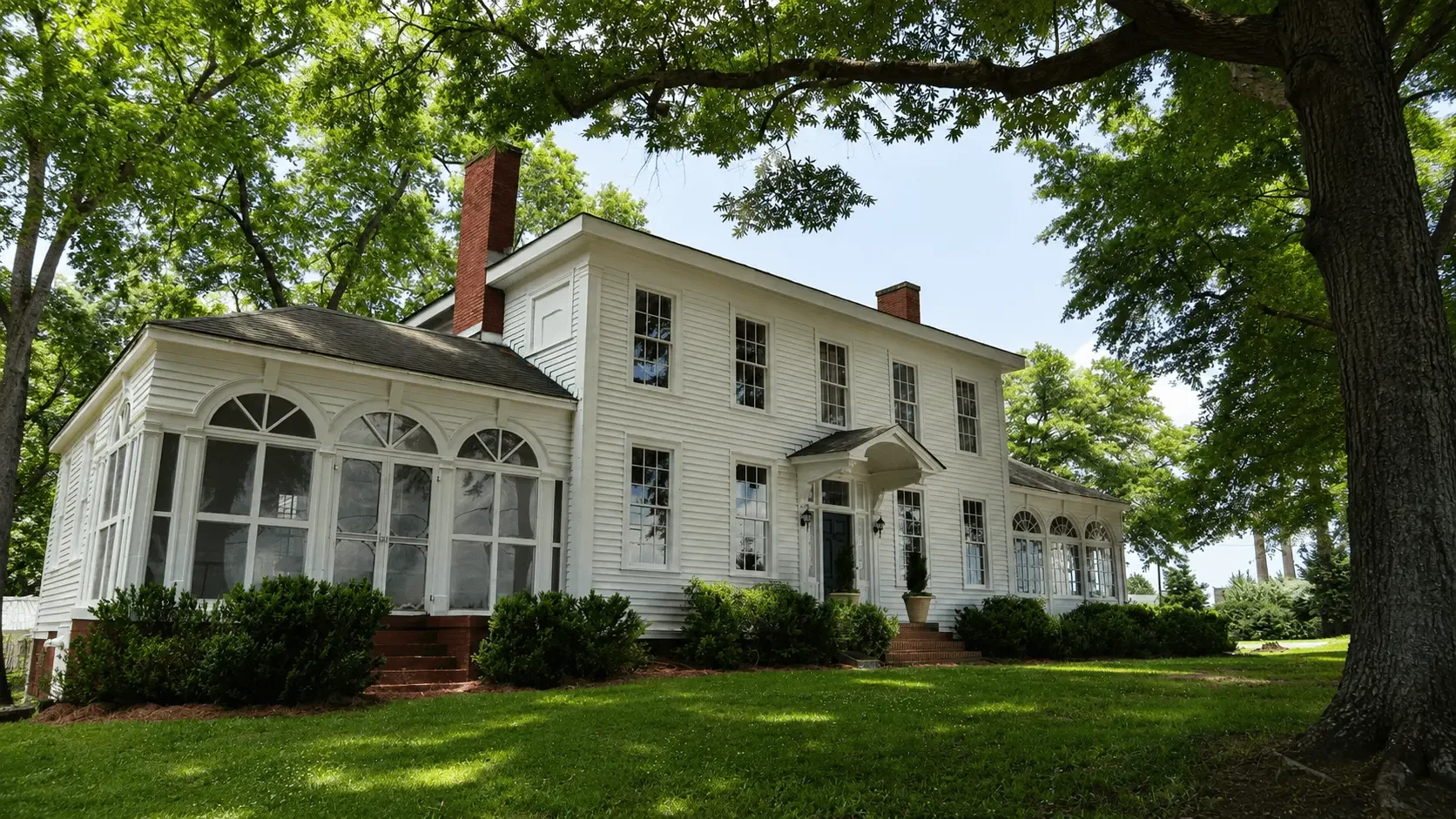
Chieftains Museum/Major Ridge Home
Rome, GA
The National Historic Landmark home of Cherokee leader Major Ridge, interpreting the Ridge family, the Treaty of New Echota, and the difficult choices surrounding Cherokee removal.
View Details
Chief Vann House State Historic Site
Chatsworth, GA
An exceptionally preserved early nineteenth-century Cherokee mansion that interprets the Vann family, Cherokee life, enslavement, and the pressures that preceded forced removal.
View Details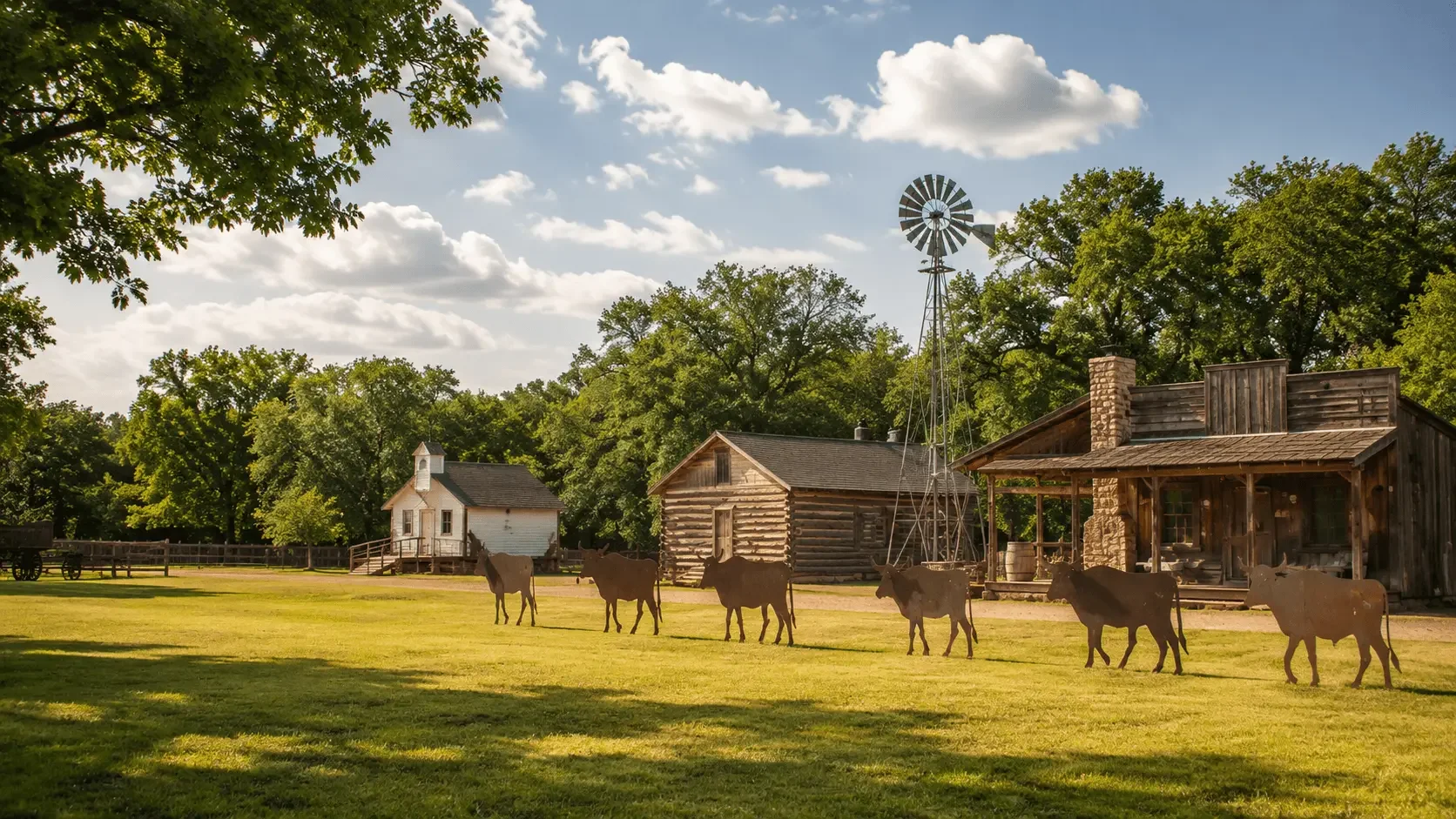
Chisholm Trail Outdoor Museum
Cleburne, TX
An open-air frontier village in Cleburne that preserves the cattle-trail heritage and early civic history of Johnson County.
View Details
Empire Mine State Historic Park
Grass Valley, CA
A preserved hard-rock mining complex where visitors can explore the industrial workings, elegant estate, and landscaped grounds of one of California’s richest gold mines.
View DetailsAbout This Era
Settlers, explorers, railroads, and the federal government pushed westward, often displacing Native peoples and transforming the land.
Last updated August 2, 2026