About Weippe Prairie
Weippe Prairie is a broad upland landscape in north-central Idaho that has long served as a traditional gathering place for the nimíipuu, or Nez Perce. Families have come to the prairie to harvest camas bulbs and other foods, hunt, and gather socially. Its significance reaches far beyond the Lewis and Clark Expedition, reflecting generations of Nez Perce use and connection to the land.
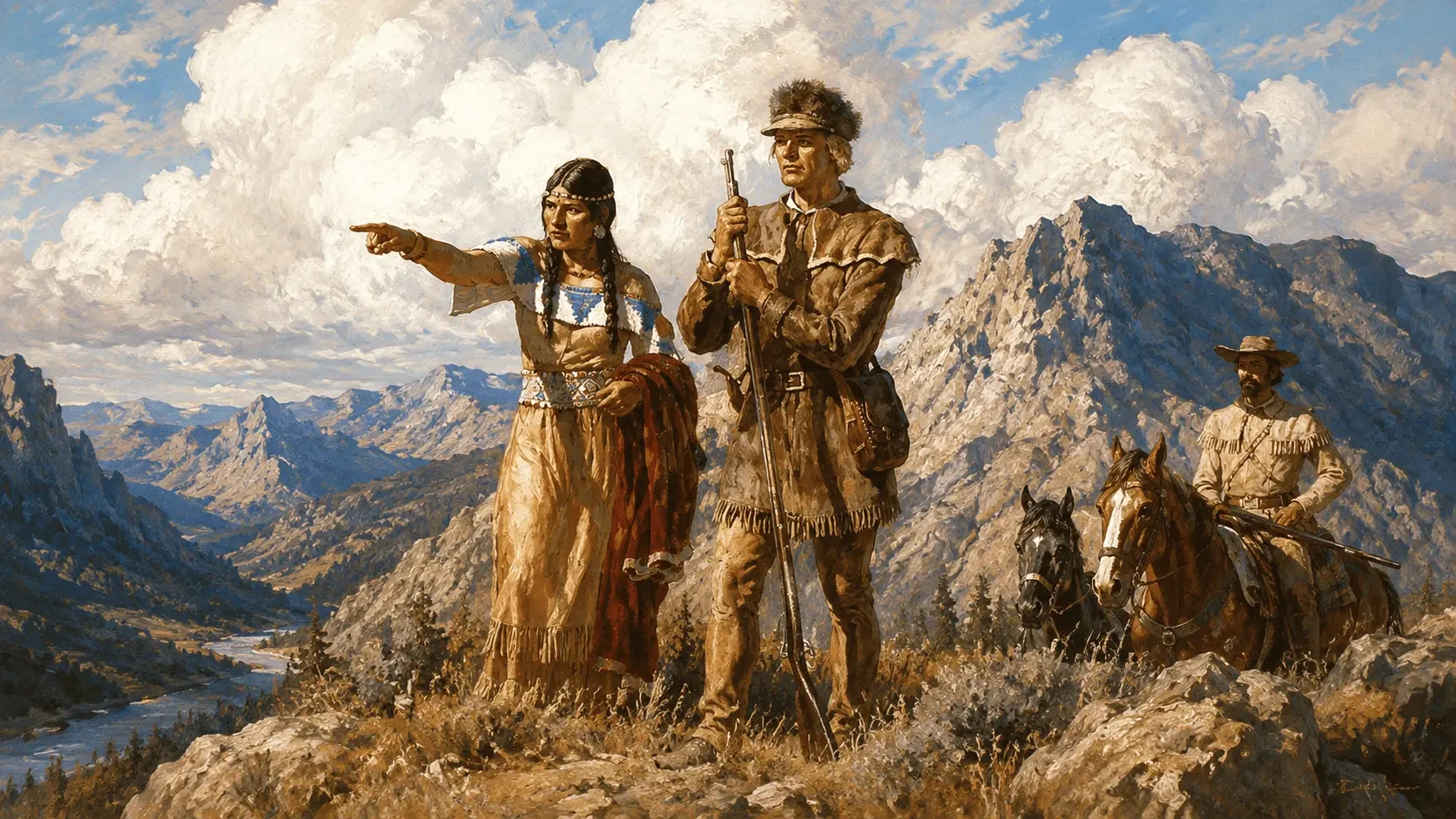
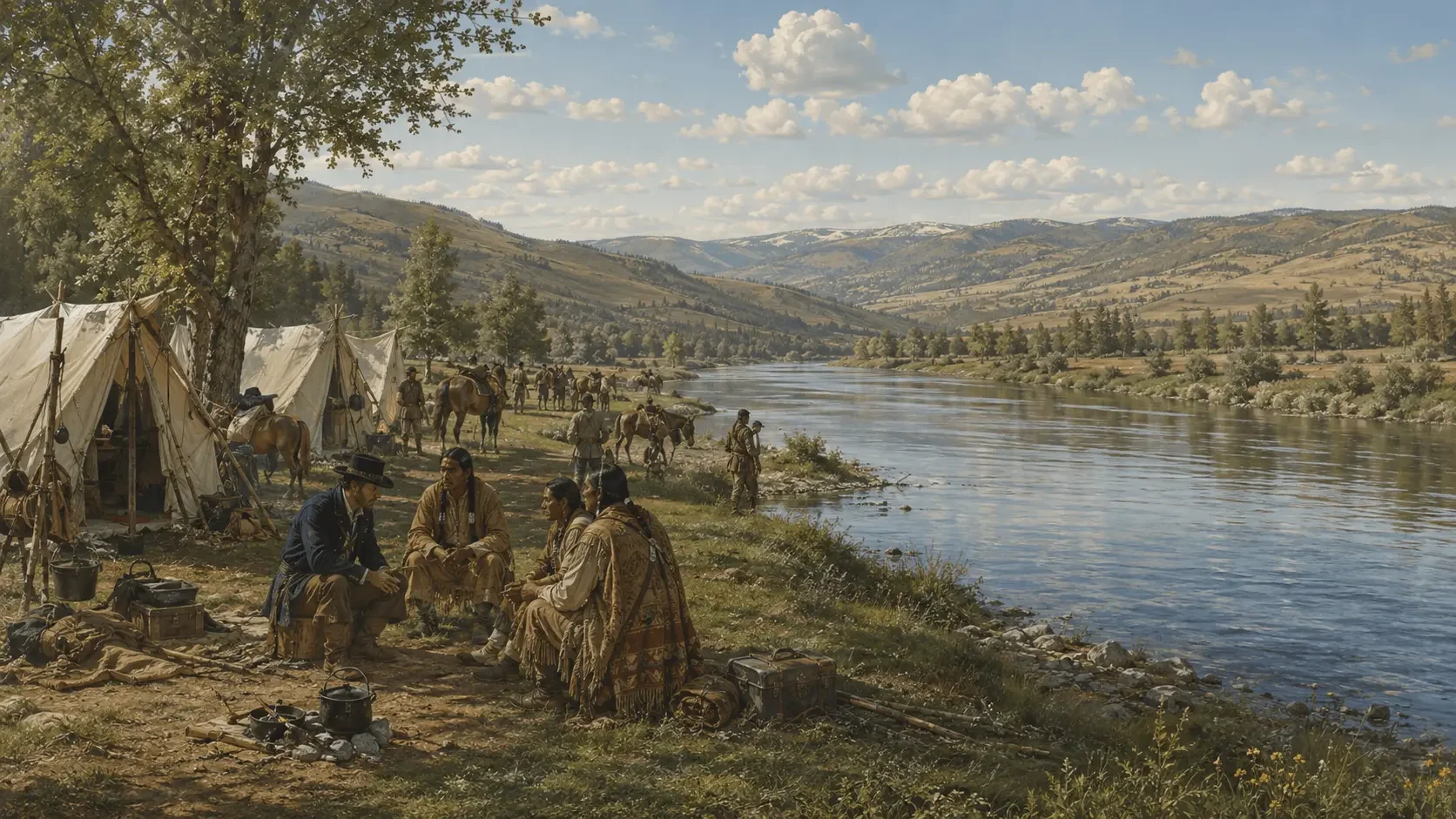
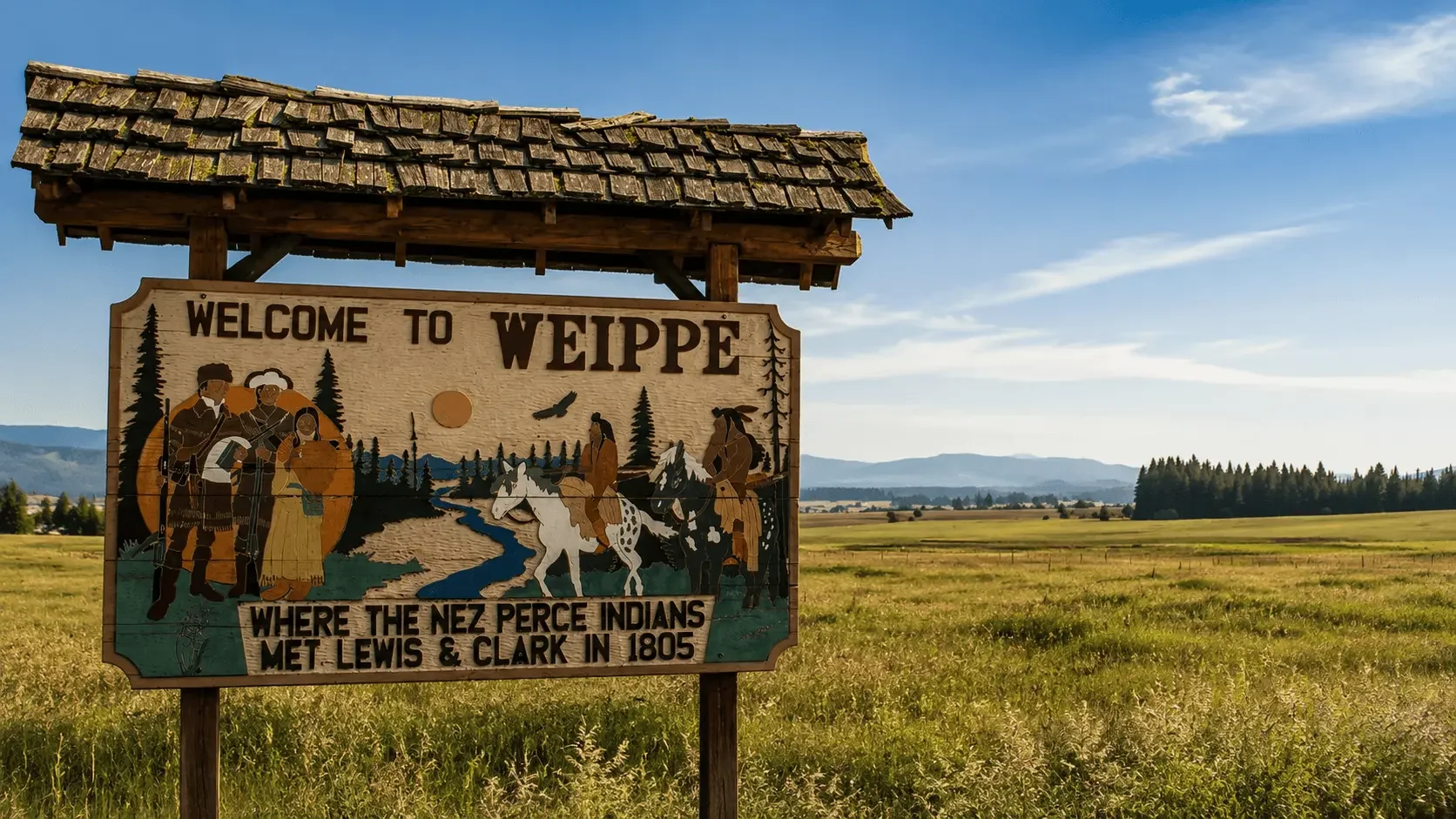
On September 20, 1805, William Clark and several members of the Corps of Discovery emerged from the Bitterroot Mountains onto the prairie after an exhausting crossing. The Nez Perce welcomed and fed the weakened travelers, and Meriwether Lewis arrived with the remainder of the expedition two days later. The Corps returned to the region in 1806 and again spent time at Weippe Prairie while snow delayed its eastward passage through the mountains.
The Weippe Prairie National Historic Landmark encompasses roughly 3,120 acres, much of it privately owned. A 274-acre tract managed by Nez Perce National Historical Park is publicly accessible, and roadside interpretive signs help visitors understand the landscape and its history. Camas often blooms in late spring, giving visitors a visual connection to the plant that has made the prairie an important Nez Perce gathering place for generations.