About Chief Vann House State Historic Site
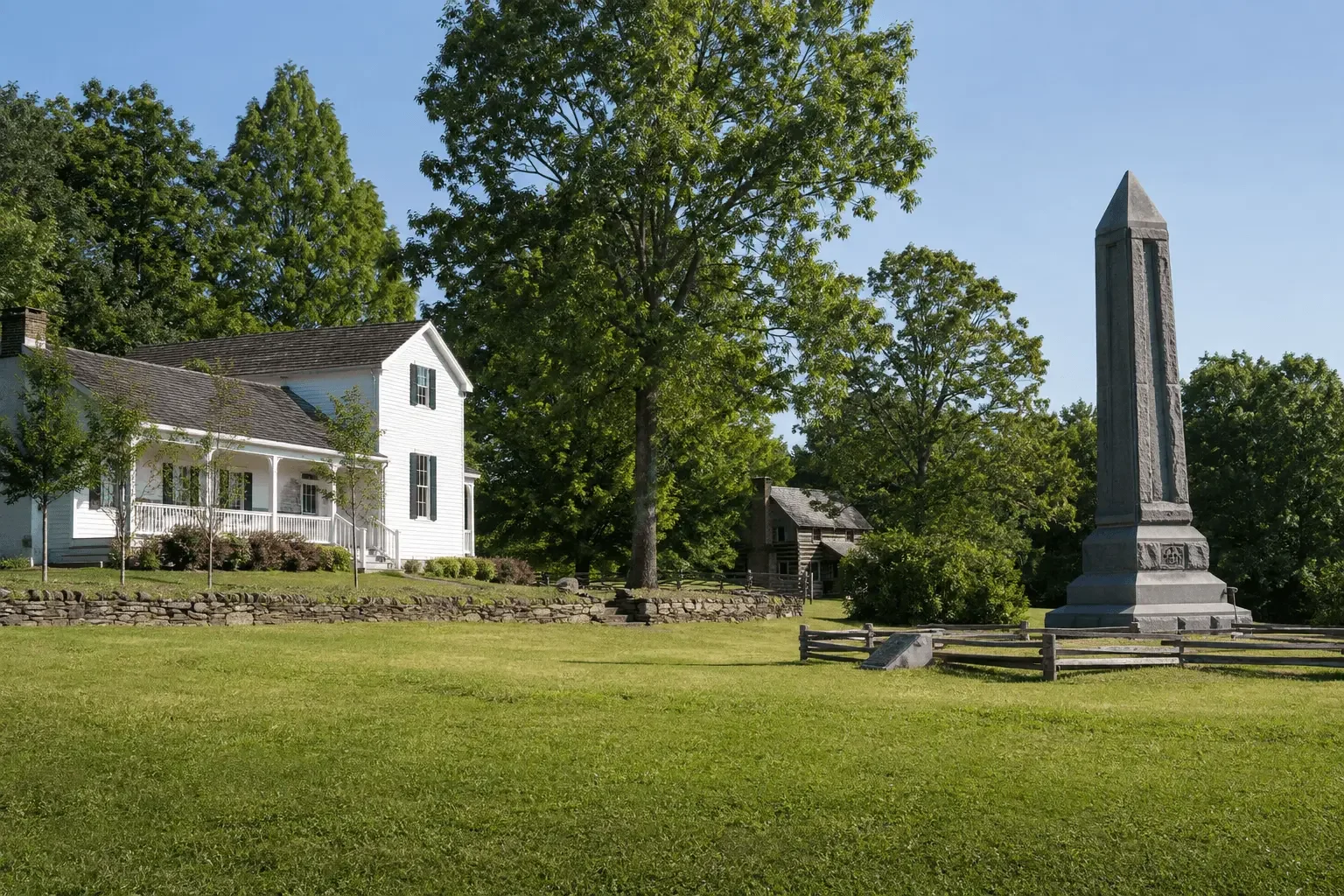
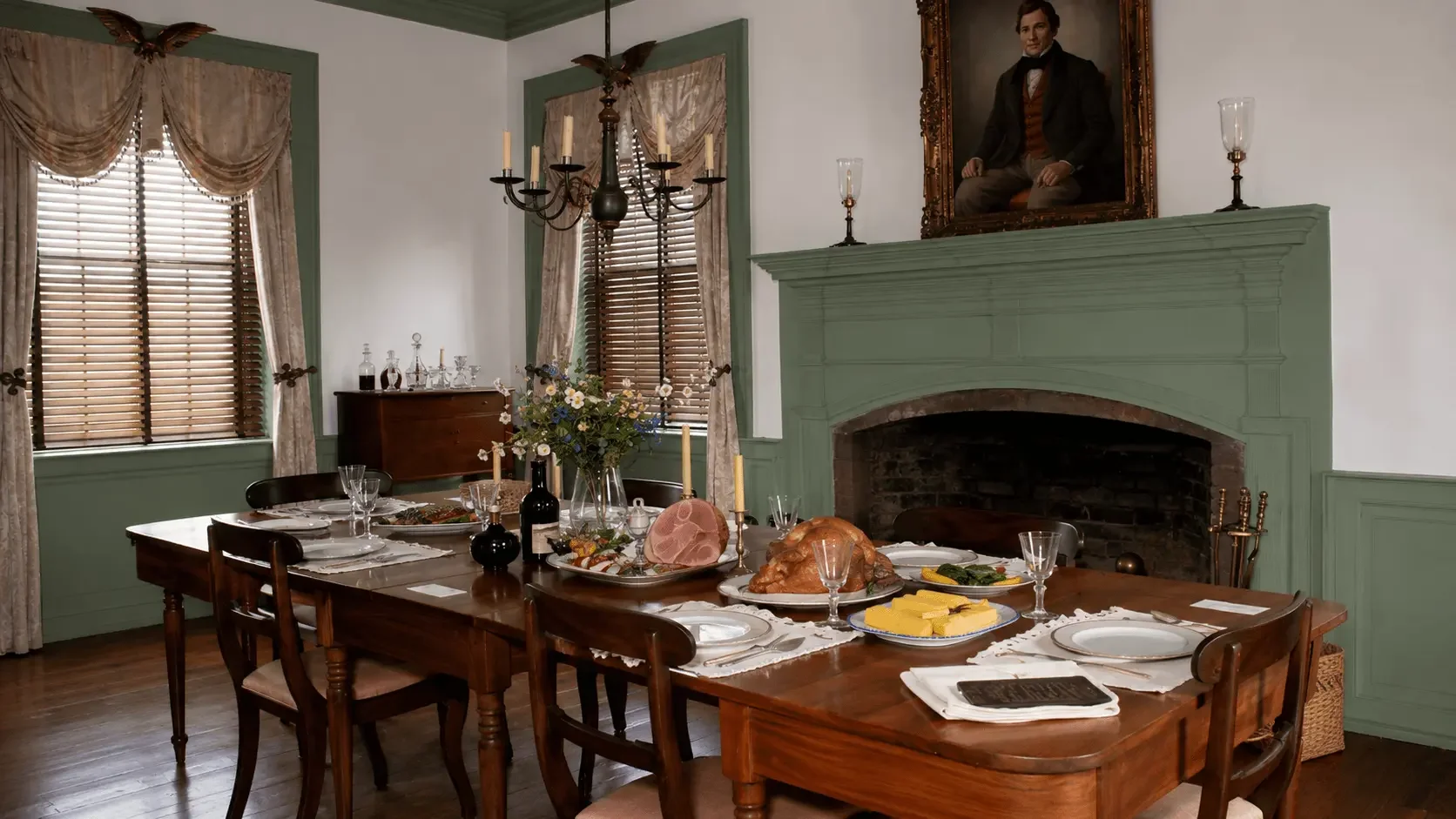
Chief Vann House State Historic Site preserves the imposing brick home built in 1804 for James Vann, a wealthy Cherokee leader, businessman, and planter in what was then the Cherokee Nation. The house is one of the most substantial surviving Cherokee residences from the period before removal and is especially notable for its craftsmanship, including carved architectural details and its cantilevered staircase. After James Vann's death, the property passed to his son Joseph Vann, who became a prominent Cherokee statesman before the family lost the property amid Georgia's takeover of Cherokee lands.
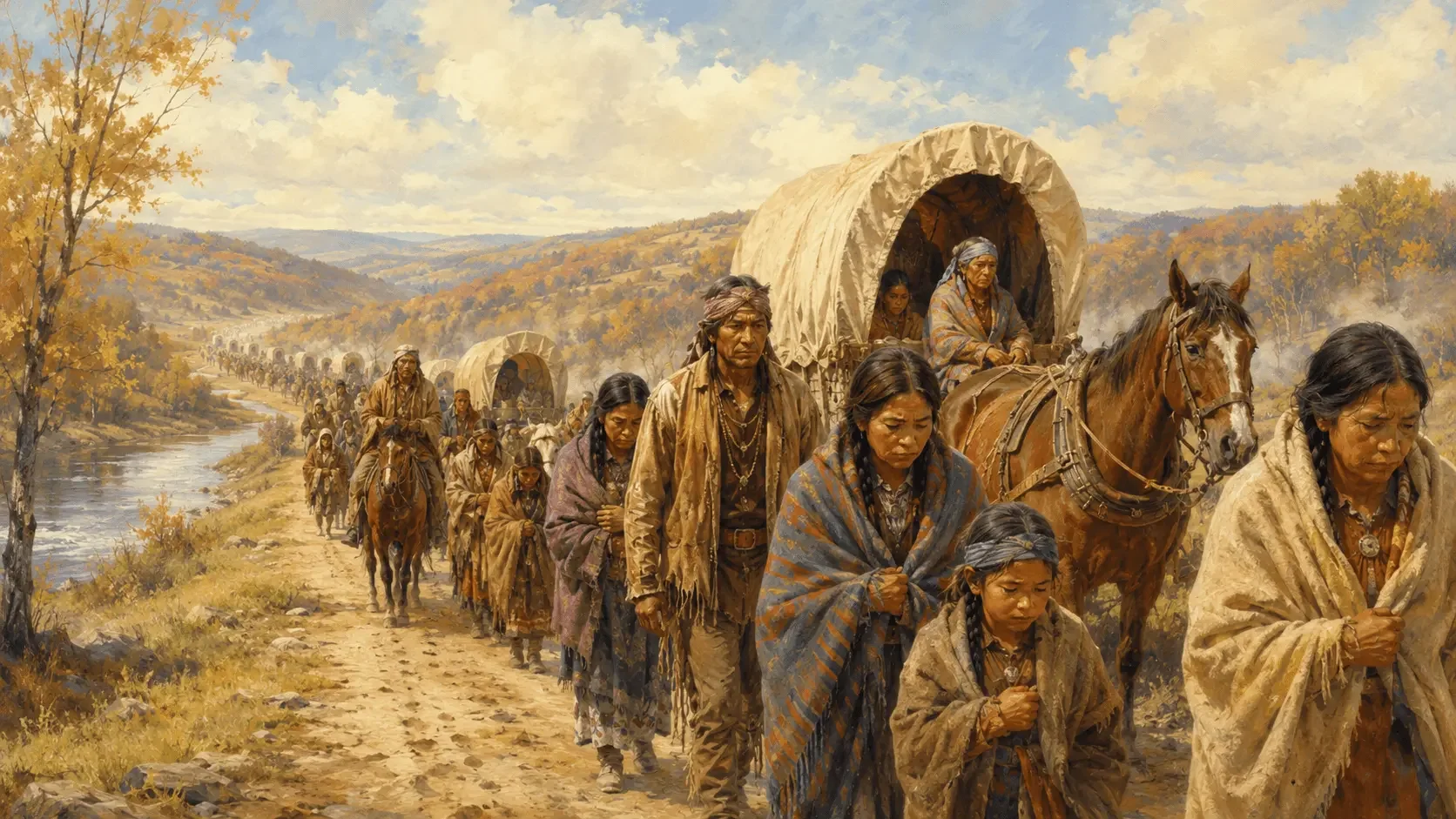
The site interprets a complicated history. Visitors learn about the Vann family's political and economic influence, changing Cherokee society in the early nineteenth century, Moravian missionary activity, and the escalating state and federal pressure that preceded the Trail of Tears. Interpretation also addresses the enslaved African Americans whose labor contributed to the Vann family's wealth, giving the site a broader view of power, labor, and daily life within the plantation.
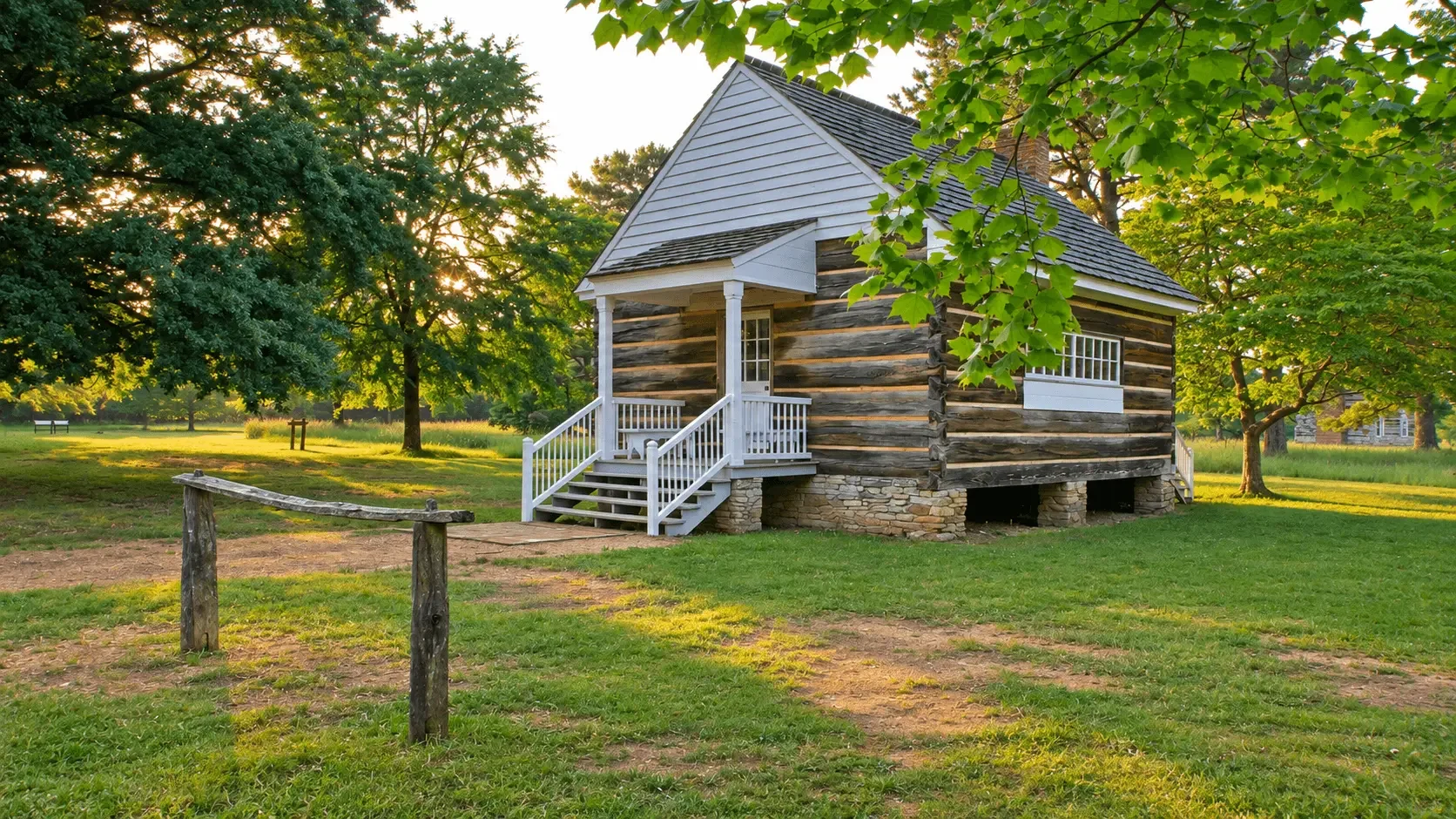
Admission includes the museum gallery, grounds, trail, farmstead exhibits, and guided access to the historic mansion. Tours of the Vann House are generally offered hourly, with the final tour beginning at 4 p.m. The restored and reconstructed outdoor features, interpretive gardens, and trail to the former Moravian mission area make the site useful for visitors seeking both architectural history and a deeper understanding of Cherokee life before removal.