Roads of History
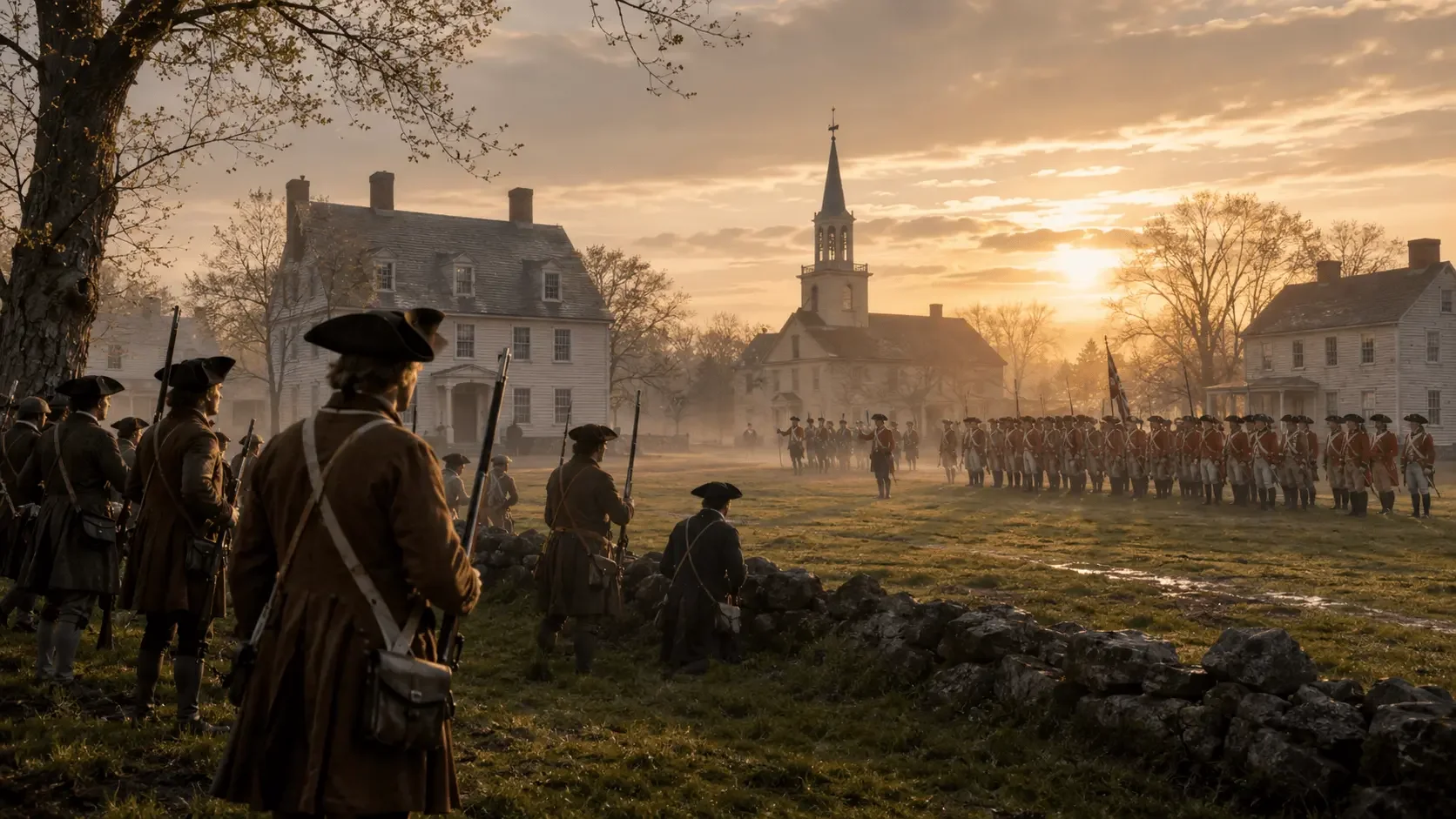
Featured view of Lexington Battle Green in Lexington, Massachusetts

Revolutionary War

Lexington Battle Green

Lexington, Massachusetts

The historic common where Lexington militia and British regulars exchanged the opening gunfire of the American Revolution on April 19, 1775.

View Location

Explore This Place

Destination Details

Overview

About Lexington Battle Green

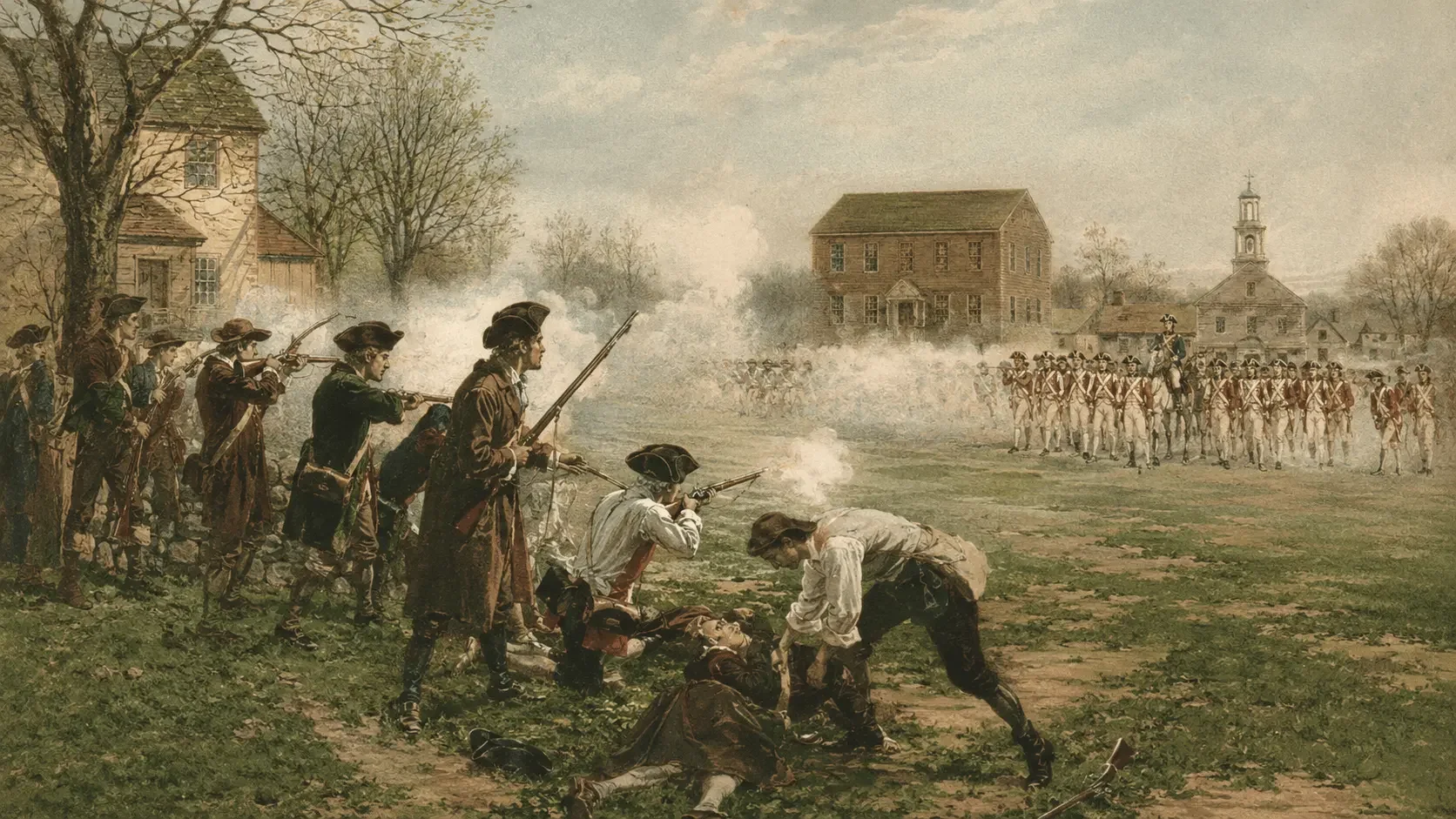
Lexington Battle Green, also known as Lexington Common, is the town-owned public ground where Lexington militia and British regulars confronted one another on the morning of April 19, 1775. The brief exchange left eight Lexington men dead and marked the opening armed clash of the American Revolutionary War.

Visitors can walk the triangular green and view memorials that layer generations of remembrance onto the battlefield. Highlights include the Minute Man statue representing Captain John Parker, the 1799 Revolutionary War Monument containing the remains of seven fallen militiamen, markers indicating the colonial line, and the historic flagpole.

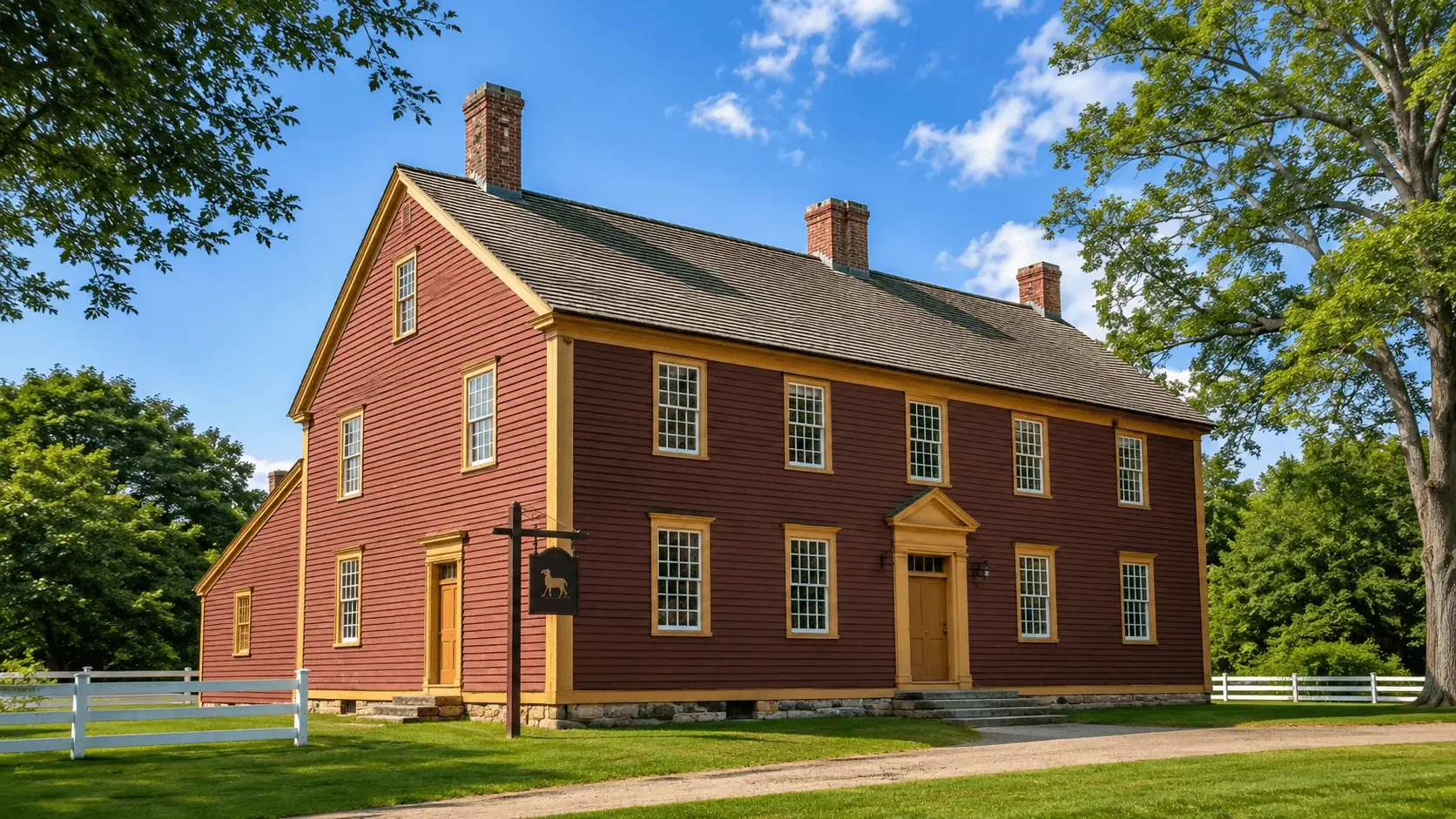
The site is compact but exceptionally evocative, especially when combined with Buckman Tavern across Bedford Street and the nearby Lexington Visitors Center. Seasonal guided tours add a costumed interpreter and augmented-reality elements, but the battlefield and monuments can also be explored independently for free.
Visitor Essentials

Plan Your Visit

Hours

Outdoor site externally viewable year-round. Seasonal 2026 Battle Green 360 guided tours are offered daily May 22-October 31 at 10:00 AM, 11:30 AM, 1:00 PM, and 2:30 PM; tours last about one hour and begin at the Lexington Visitors Center. The official tour page also lists weekend tours in November; check the current calendar for exact late-season dates.

Admission

Free to visit independently. Optional Battle Green 360 guided tour: adults $20; students ages 5-17 $15; children under 5 free; family of four $50.

Hours and admission prices may change. Confirm current details on the official website before visiting.

Historical Connections

Historical Eras