About This Event
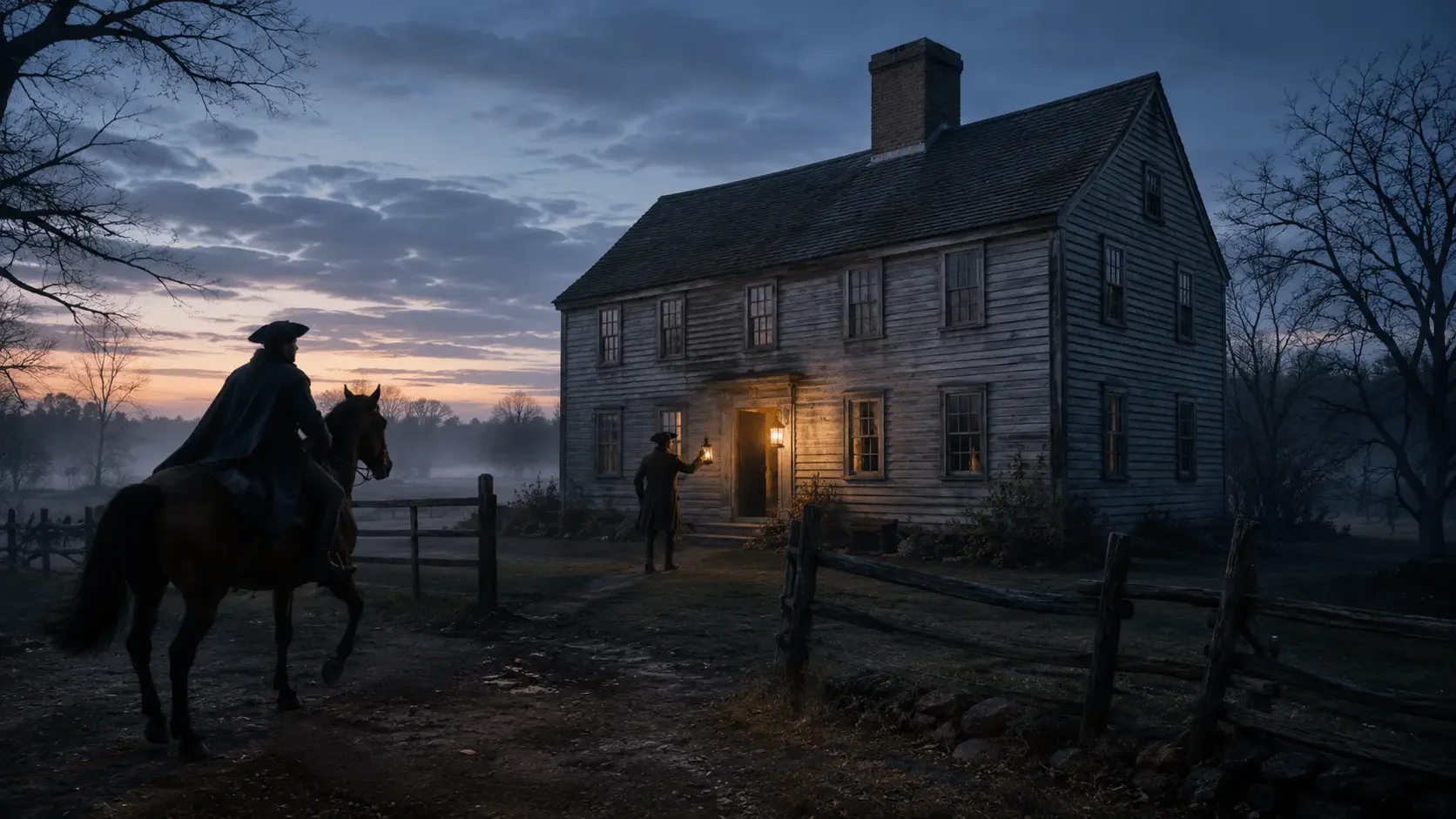
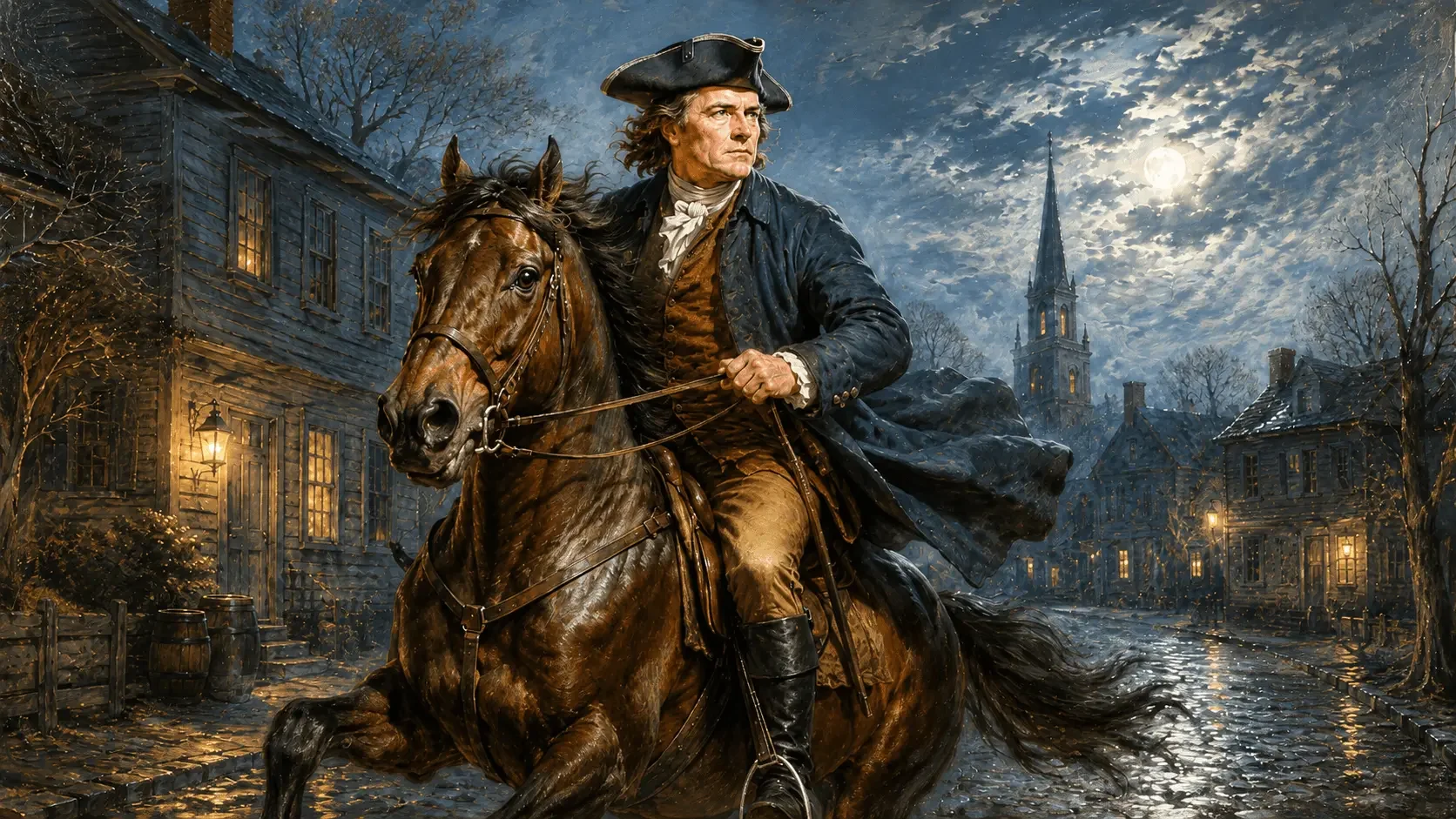
The Battles of Lexington and Concord on April 19, 1775, marked the first large-scale armed clash of the American Revolution. Tensions in Massachusetts had intensified after Parliament’s Coercive Acts, and colonial communities were storing weapons and military supplies while organizing militia and minute companies. General Thomas Gage, the royal governor and commander of British forces in Massachusetts, ordered Lieutenant Colonel Francis Smith to lead regular troops from Boston to Concord to seize and destroy military stores. Patriot intelligence networks learned that a movement was imminent, prompting riders including Paul Revere, William Dawes, and Samuel Prescott to spread the alarm.
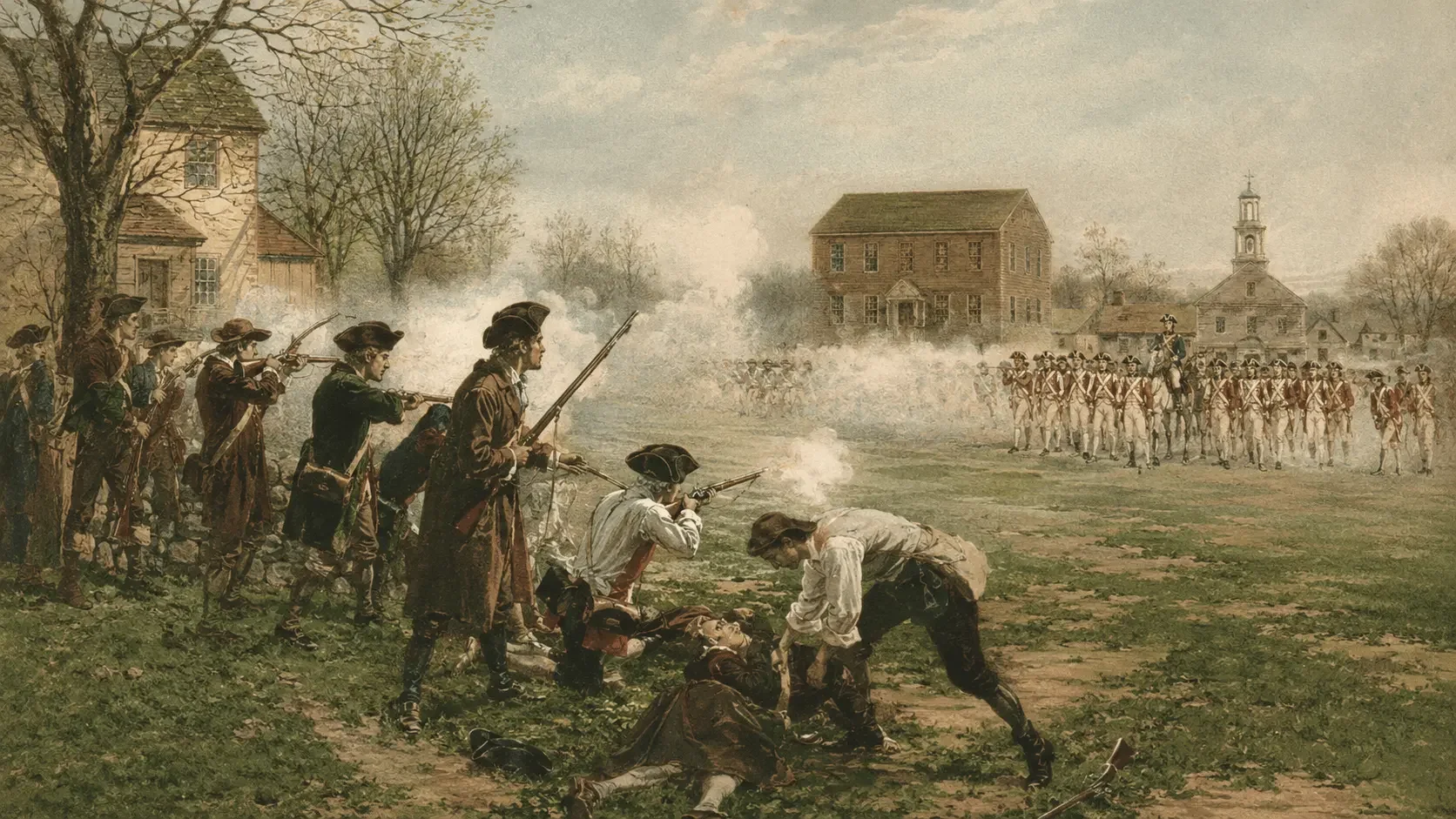
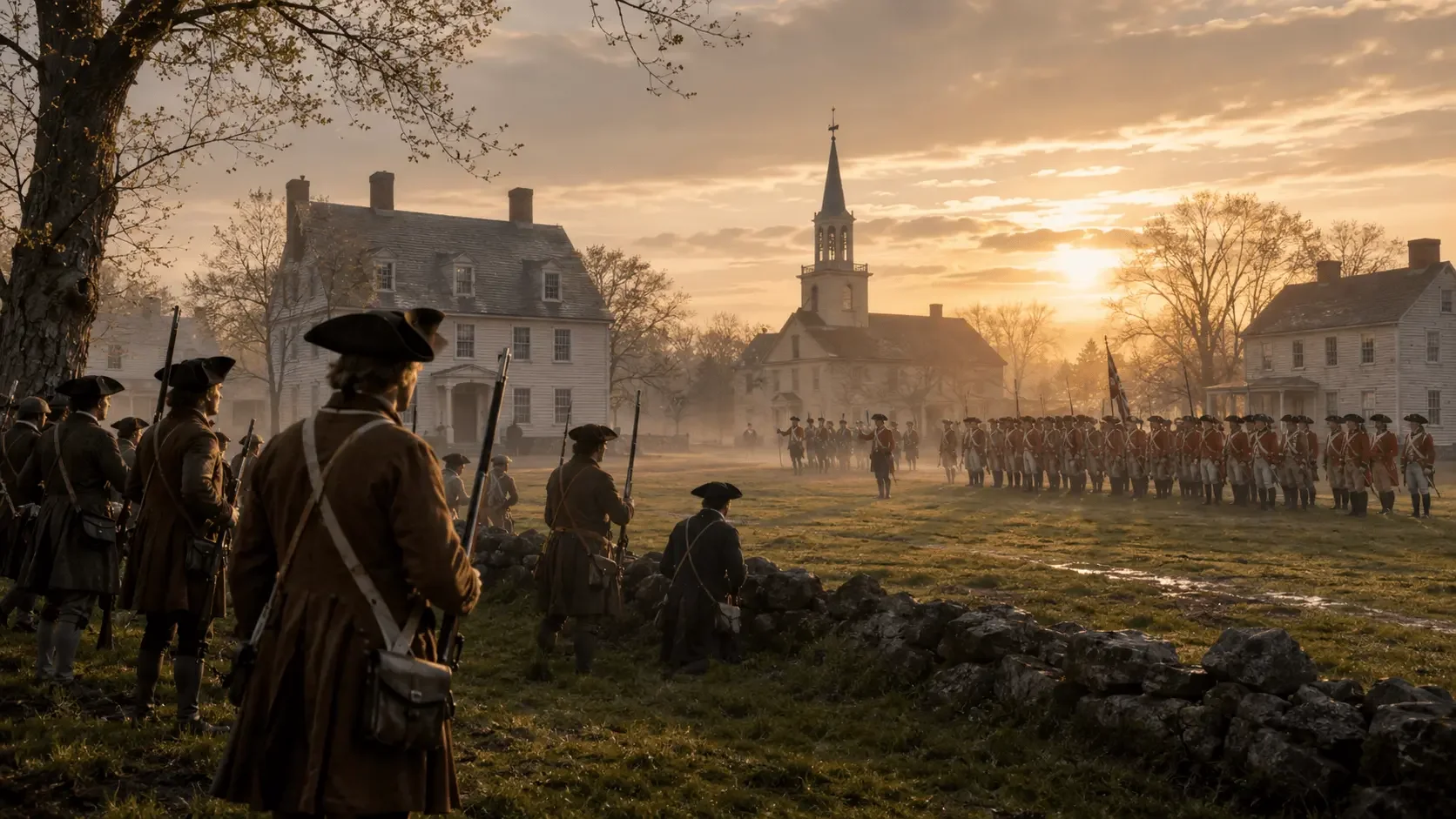
Before dawn, the British column reached Lexington. Captain John Parker’s Lexington militia assembled on the town common as the regulars approached. Accounts disagree over who fired the first shot. A confused exchange followed, and British soldiers fired into the militia, killing and wounding several men. The regulars then continued toward Concord, where they searched for military supplies. Much of the material had already been moved or hidden because local residents had received advance warning.
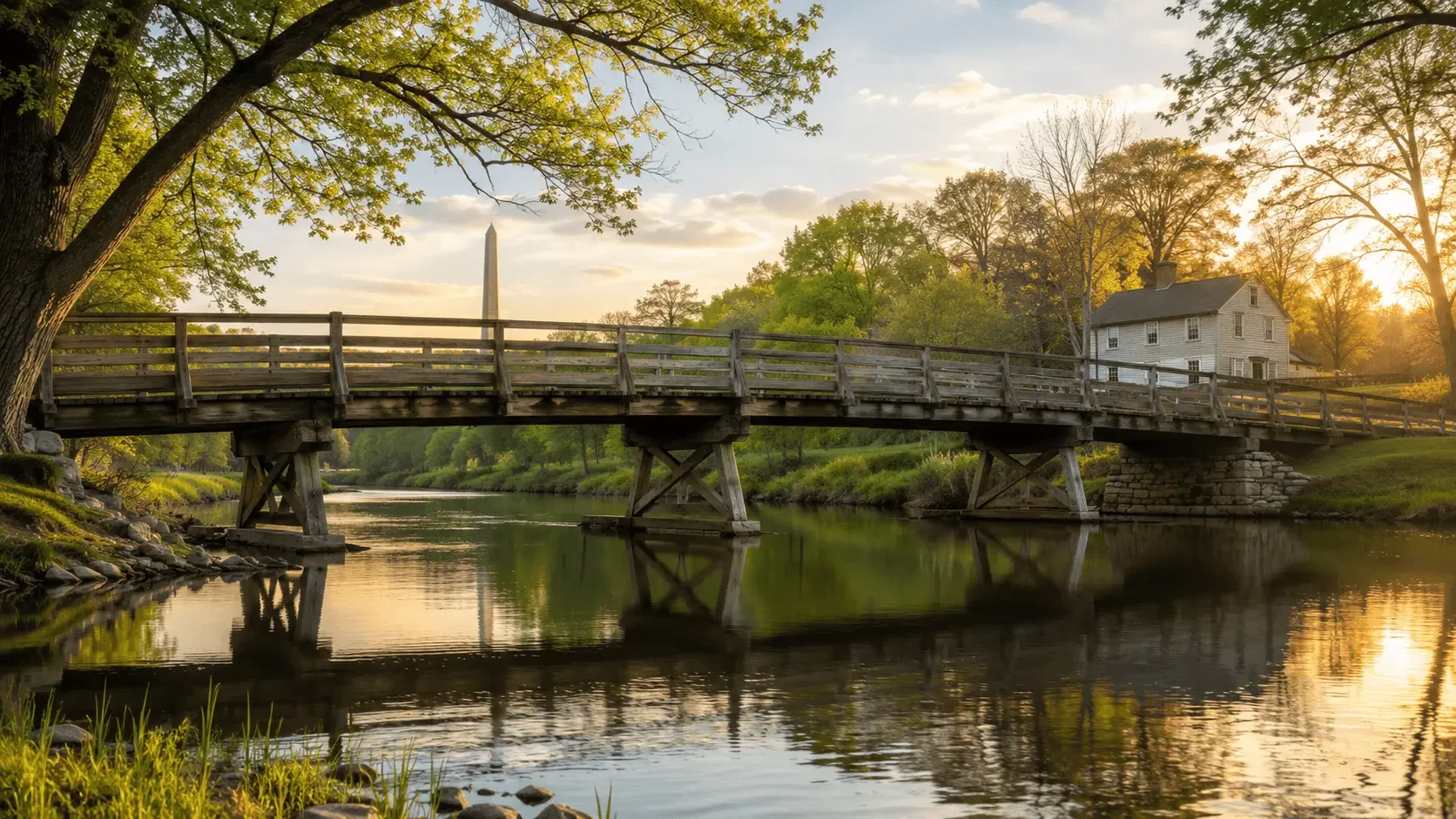
At Concord’s North Bridge, militia and minute companies from surrounding towns confronted British troops guarding the river crossing. After seeing smoke rising from the town and believing Concord might be burning, the colonial force advanced. Shots were exchanged, and militia officers ordered their men to return fire. The British detachment withdrew toward the main column. As the regulars began the long march back to Boston, thousands of militia members from across Massachusetts converged on the road and attacked from walls, trees, houses, and other cover. British reinforcements under Lord Percy helped the exhausted column reach the safety of Charlestown.
The day’s fighting extended for roughly sixteen miles and was far more than two isolated skirmishes. National Park Service totals list 273 British soldiers killed, wounded, or missing and 95 colonial casualties. The British expedition did destroy some supplies, but it failed to suppress the colonial military network. Instead, the clashes triggered a rapid mobilization of New England militia around Boston, beginning the Siege of Boston and turning a political confrontation into open warfare.
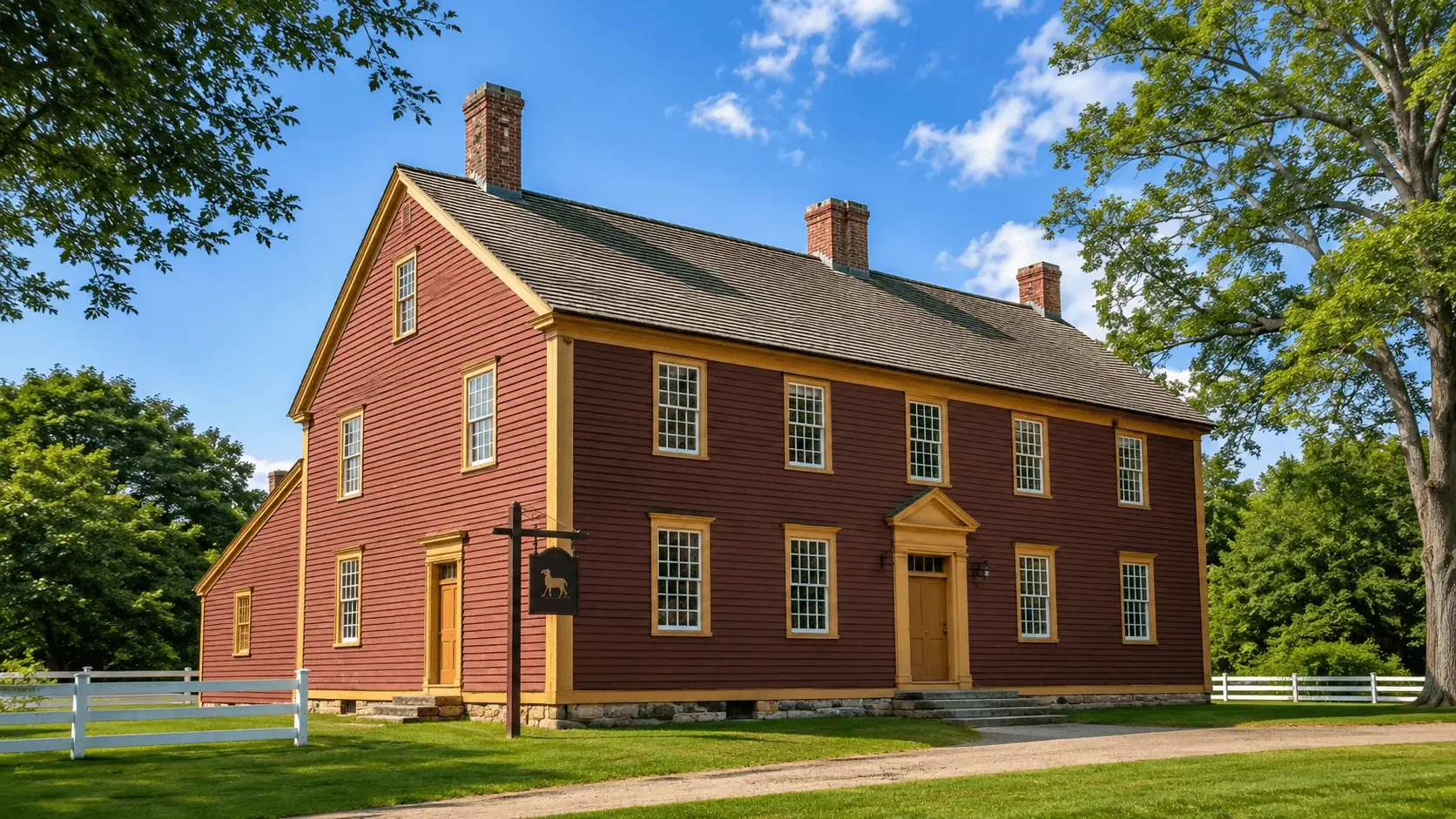
The landscapes of April 19 remain unusually accessible. Minute Man National Historical Park preserves portions of the Battle Road and the North Bridge area in Lexington, Lincoln, and Concord. Lexington Battle Green and Buckman Tavern interpret the opening confrontation, while the reconstructed North Bridge stands near the ground where colonial militia fired under orders. These sites also reveal how later generations shaped the memory of the day; even the famous phrase “shot heard ’round the world” comes from Ralph Waldo Emerson’s nineteenth-century commemoration rather than from an eyewitness description.
Last updated August 13, 2026