
About This Event
The Declaration of Independence emerged after more than a year of war between Britain and its American colonies. By 1776, reconciliation had become increasingly unlikely as fighting expanded, the Crown rejected colonial appeals, and support for independence grew. On June 7, Virginia delegate Richard Henry Lee introduced a resolution declaring that the colonies “are, and of right ought to be, free and independent States.” Congress postponed a final vote while appointing a Committee of Five—Thomas Jefferson, John Adams, Benjamin Franklin, Roger Sherman, and Robert R. Livingston—to prepare a statement explaining the reasons for separation.
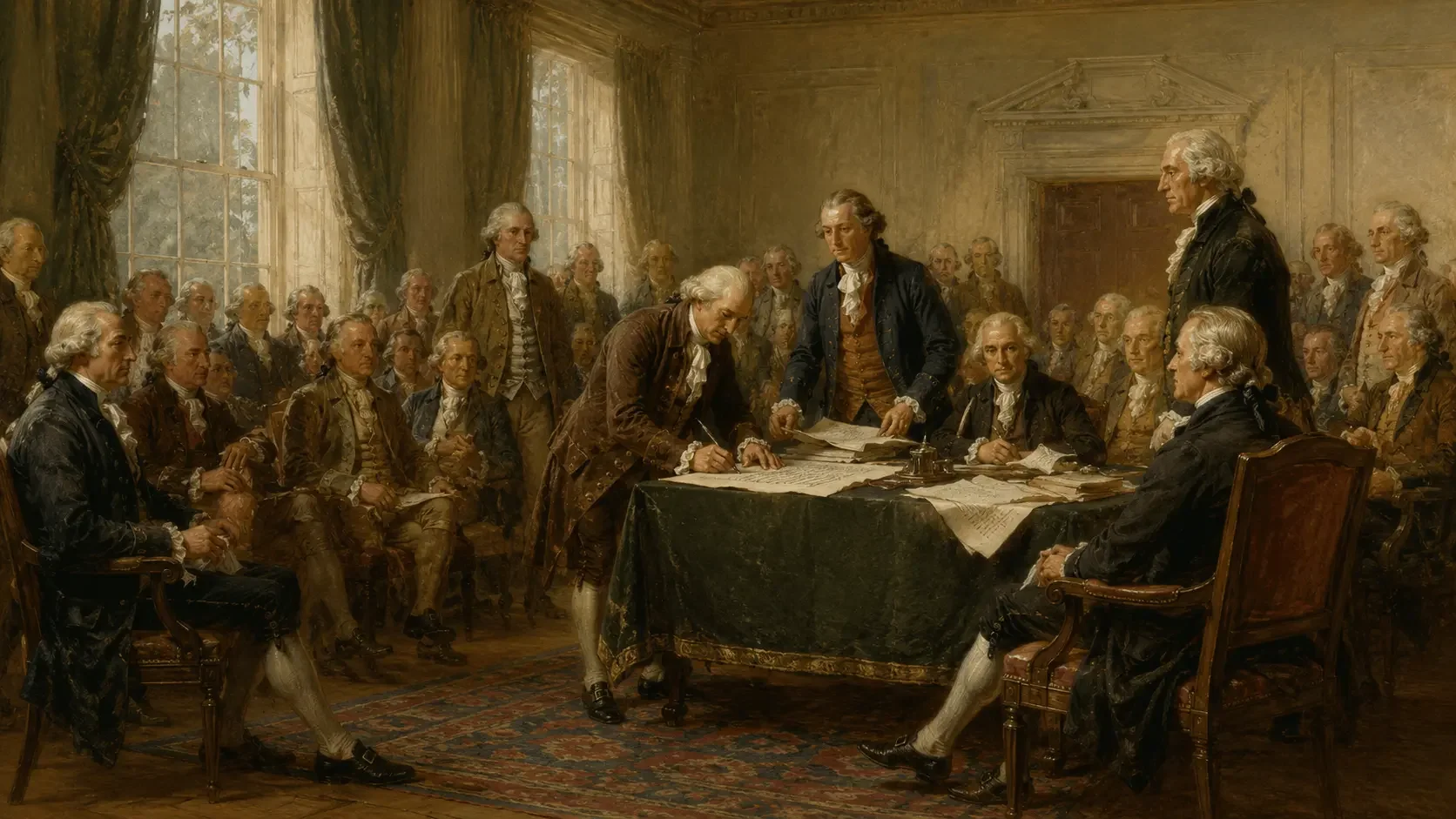
Jefferson drafted the document in Philadelphia between June 11 and June 28. Adams and Franklin reviewed his work, and the committee presented the draft to Congress. On July 2, Congress approved the independence portion of Lee’s resolution, the decisive legal and political vote to separate from Britain. Delegates then debated and revised the proposed declaration, removing and changing passages before adopting the final text on July 4. Printer John Dunlap produced broadside copies that were distributed to state governments, military commanders, and the public.
The Declaration combined a specific case against King George III with broader political principles. Its best-known passages asserted natural rights, equality, and the idea that governments derive legitimate power from the consent of the governed. Those principles became central to American political language, but they existed alongside profound contradictions. Slavery remained legal in the new states, women were excluded from formal political equality, and Native nations were treated as obstacles to colonial expansion in parts of the document. Over time, reformers and activists repeatedly used the Declaration’s language to challenge those exclusions.
Adoption on July 4 did not end the Revolutionary War or guarantee independence. The United States still had to survive militarily, obtain foreign support, and secure international recognition. The engrossed parchment now displayed at the National Archives was not signed by all delegates on July 4; the major signing began on August 2, and additional signatures were added later. The Declaration nevertheless gave the independence movement a public explanation and a political identity that could be presented to Americans and foreign governments alike.
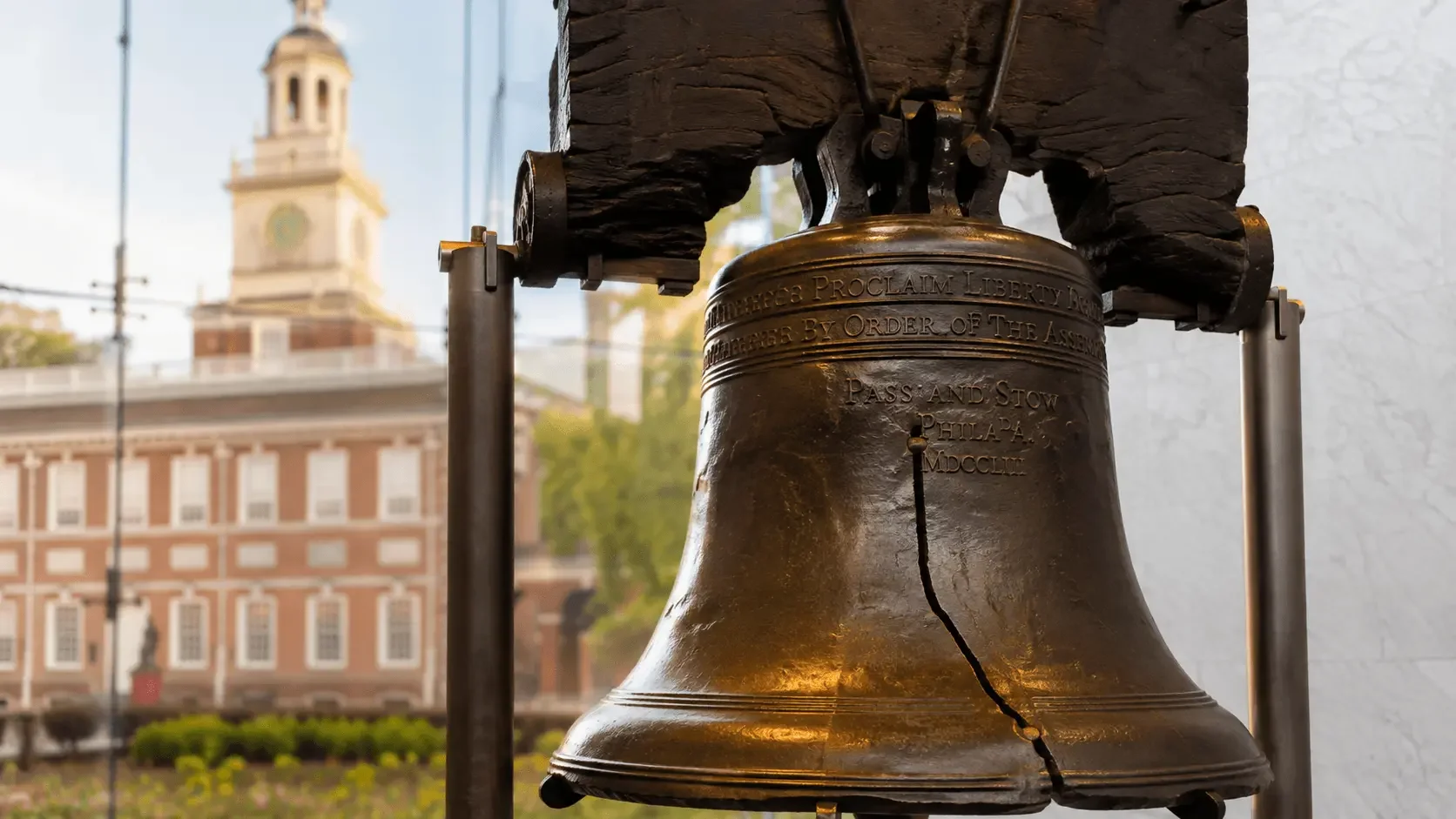
Two places provide especially direct connections to the document. Independence Hall in Philadelphia is the former Pennsylvania State House where Congress debated and adopted the Declaration. The National Archives Museum in Washington, D.C., preserves and displays the engrossed parchment. Together, they allow visitors to connect the Declaration both to the political space in which it was approved and to the physical document that later became one of the central artifacts of the United States.
Last updated August 13, 2026