Overview
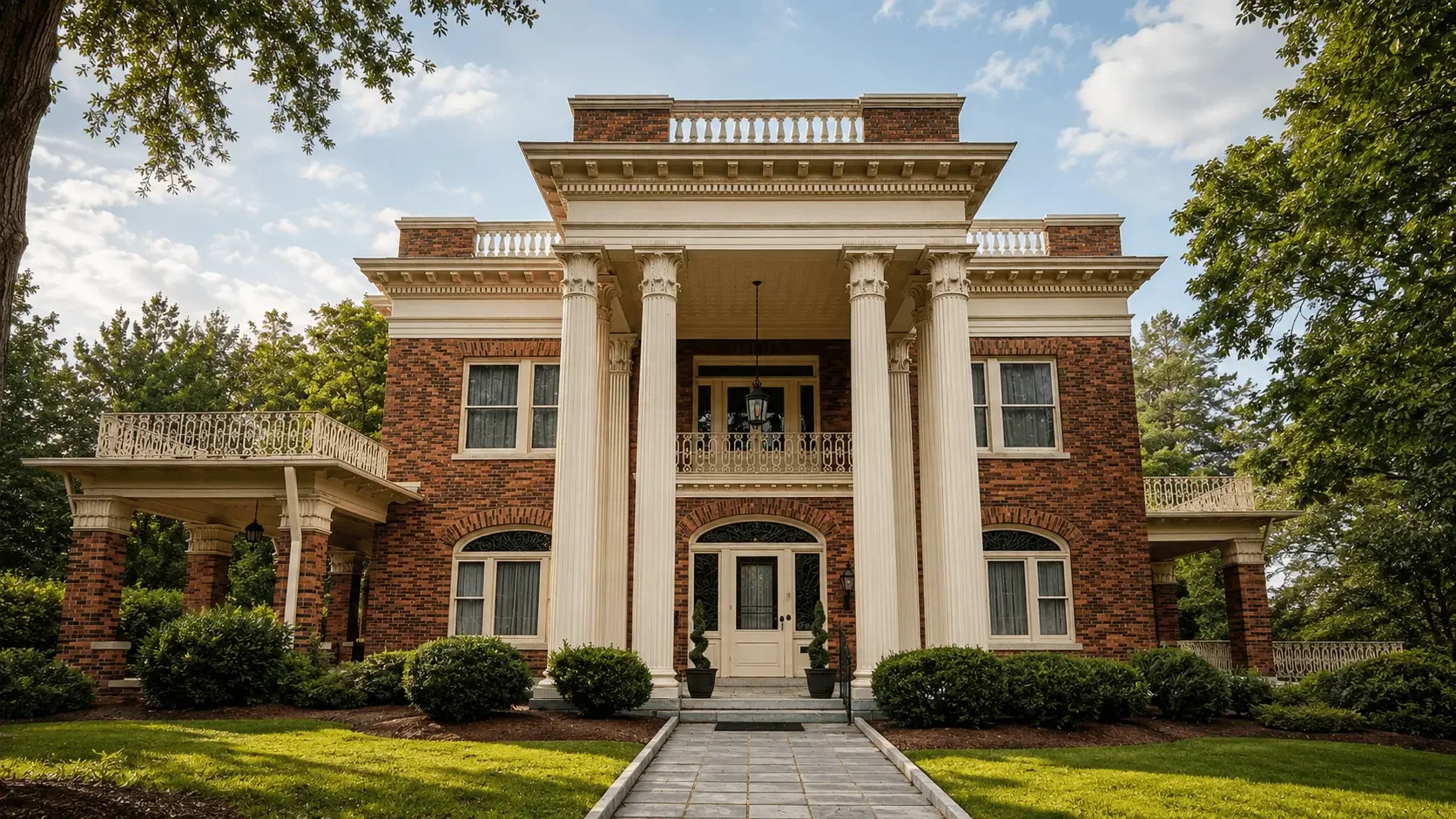
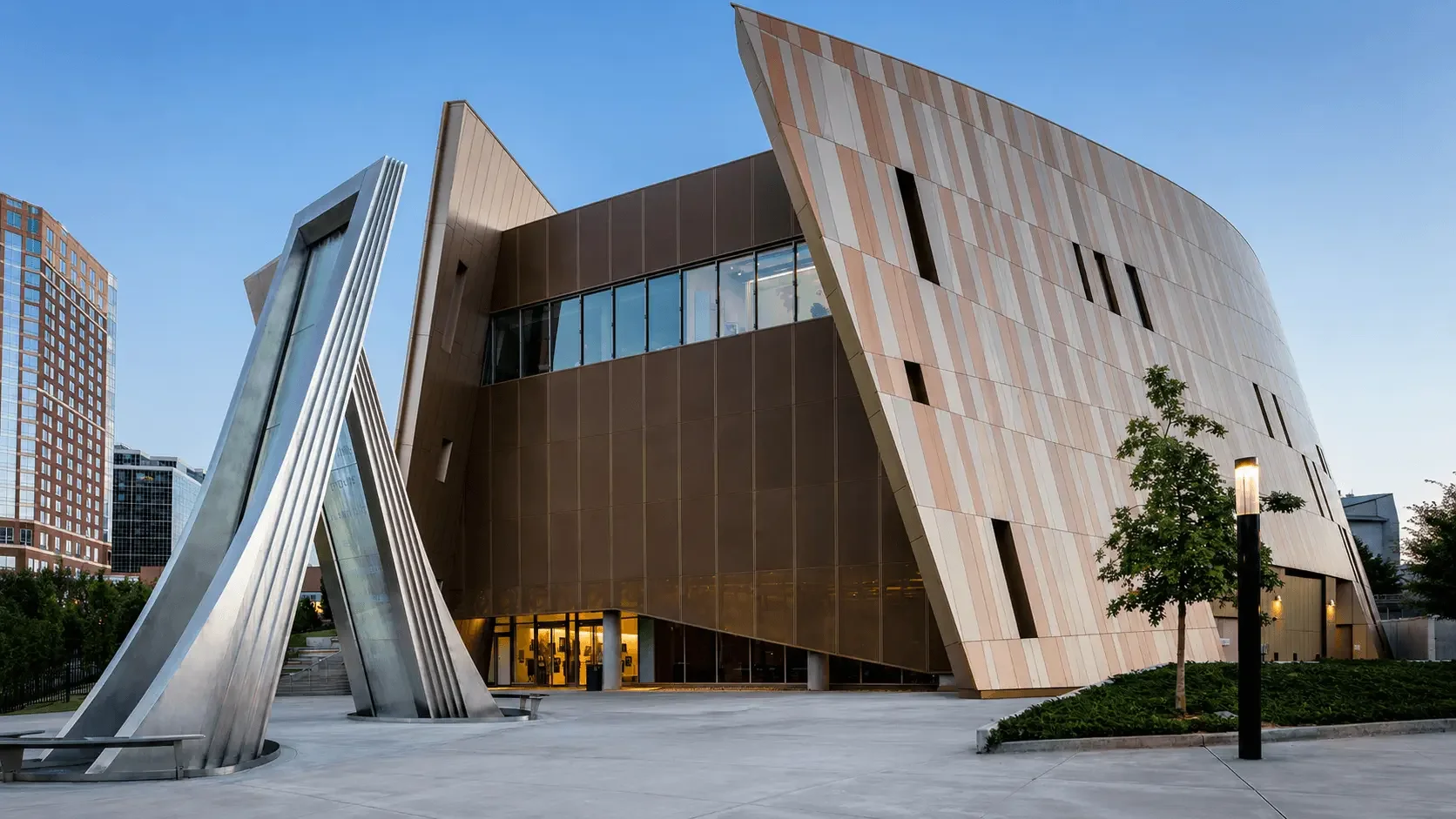
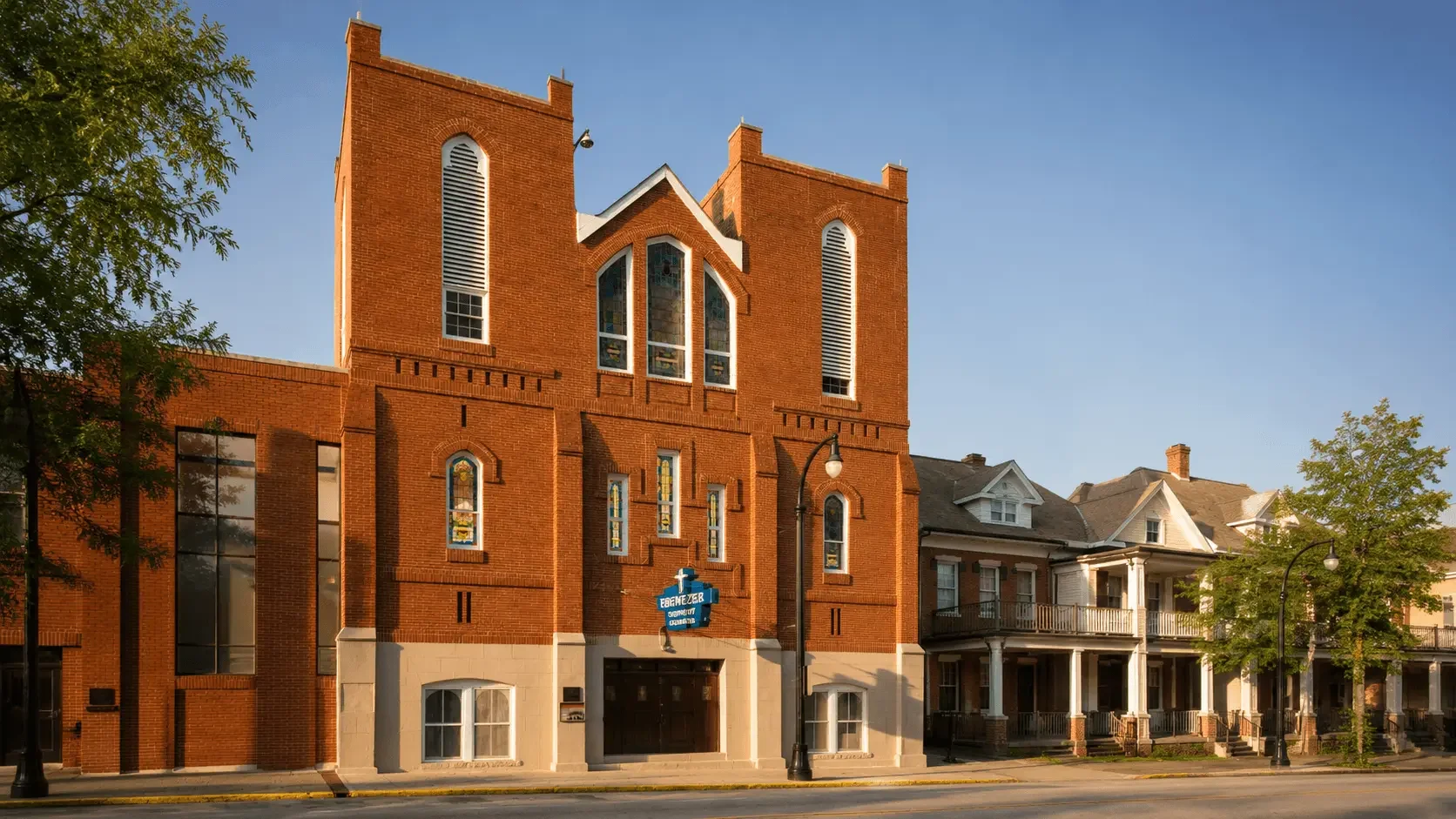
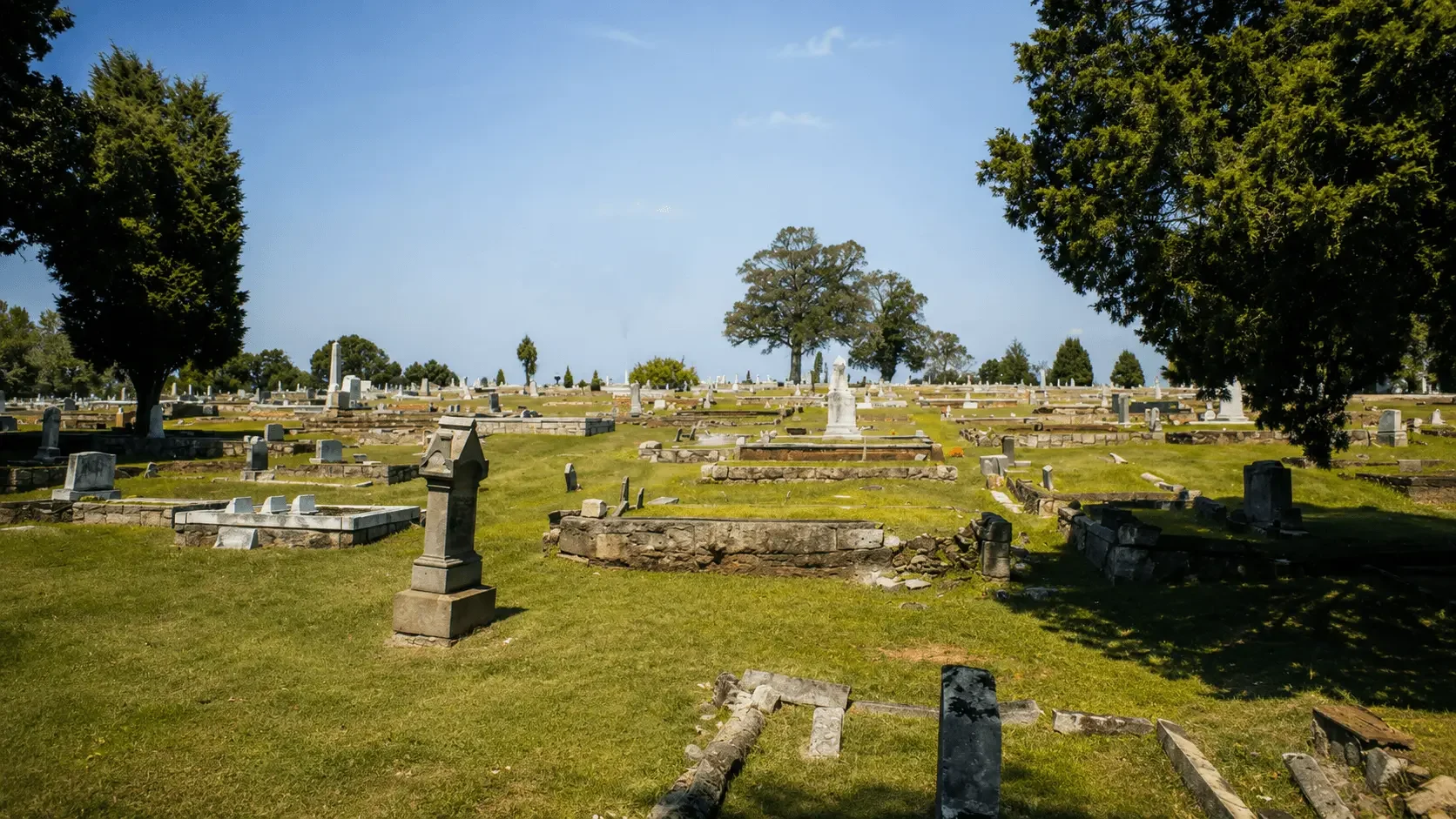
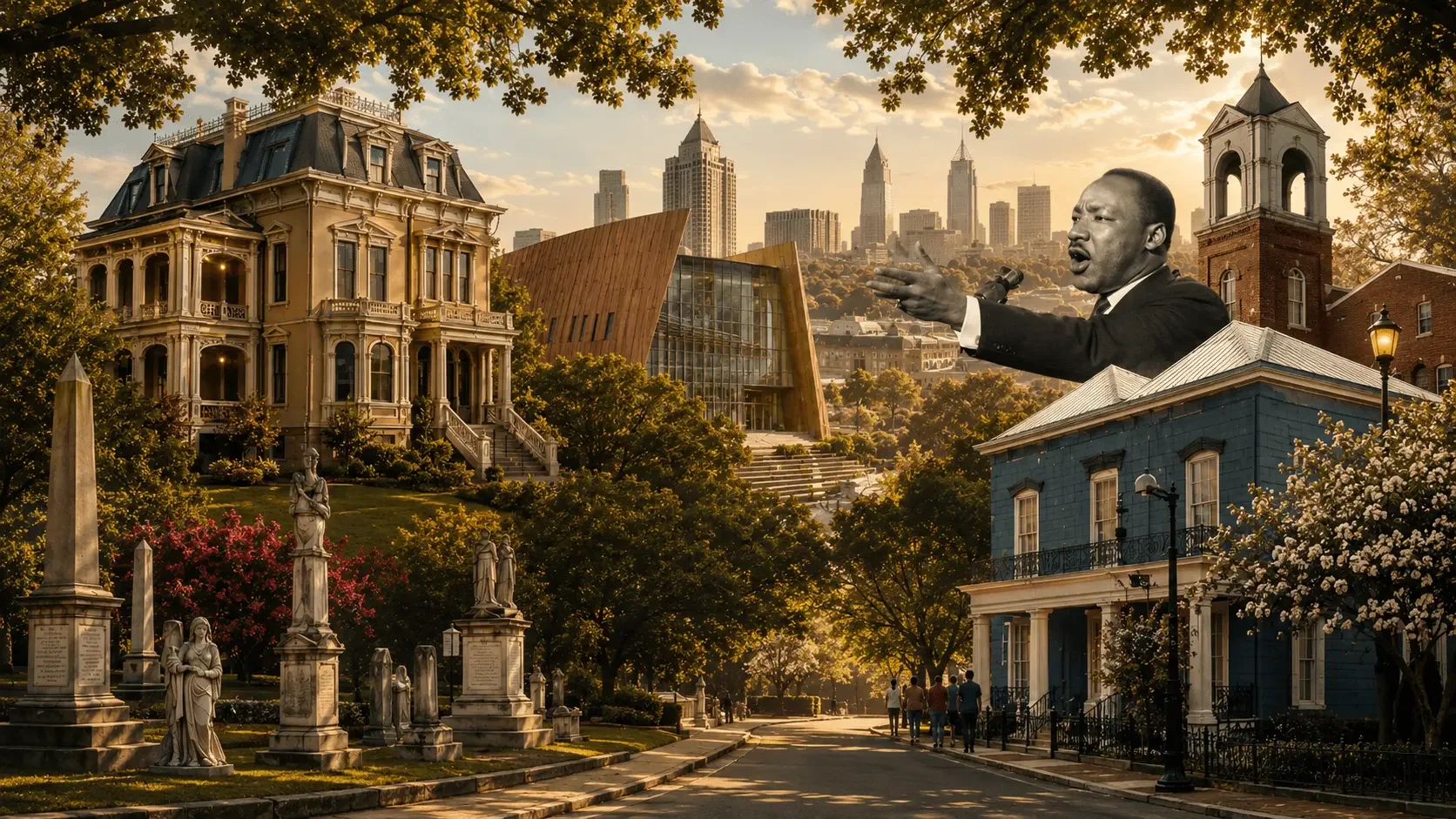
This Atlanta cluster begins with the Herndon Home, where the story of Alonzo Herndon—born enslaved and later one of Atlanta's most successful Black businessmen—shows how Black institutions and economic power grew after emancipation. The National Center for Civil and Human Rights then places Atlanta's twentieth-century movement within a broader national and global story of rights, protest, law, and civic participation. The second day centers on Martin Luther King, Jr. National Historical Park, where Auburn Avenue, Ebenezer Baptist Church, King's childhood environment, and movement interpretation connect local places to the March on Washington, the Civil Rights Act, the Voting Rights Act, and King's assassination. South-View Cemetery closes the route with the history of a Black-founded institution created in response to segregation and with graves connected to generations of Atlanta leadership and civil-rights activism.