

About This Event
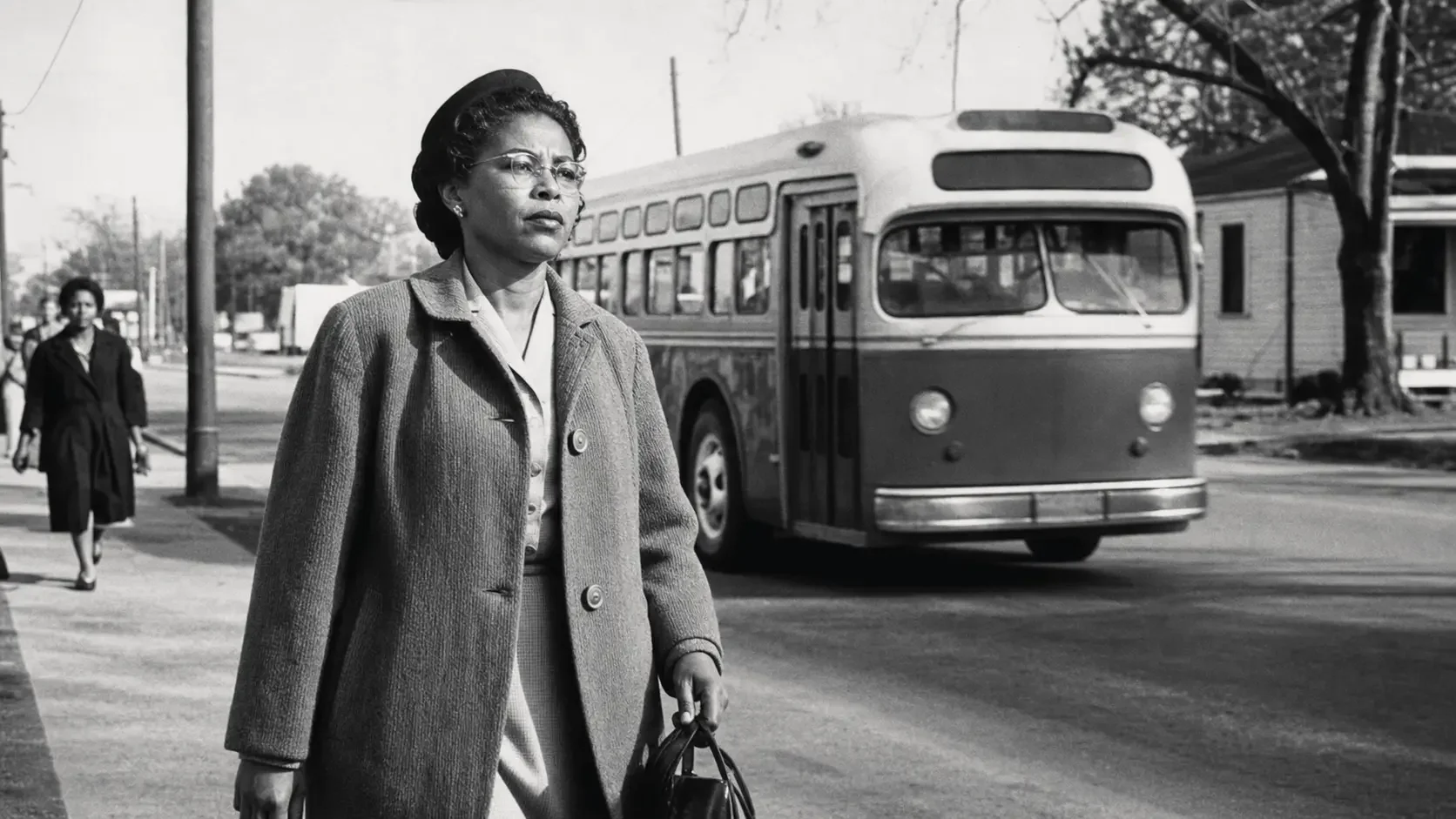
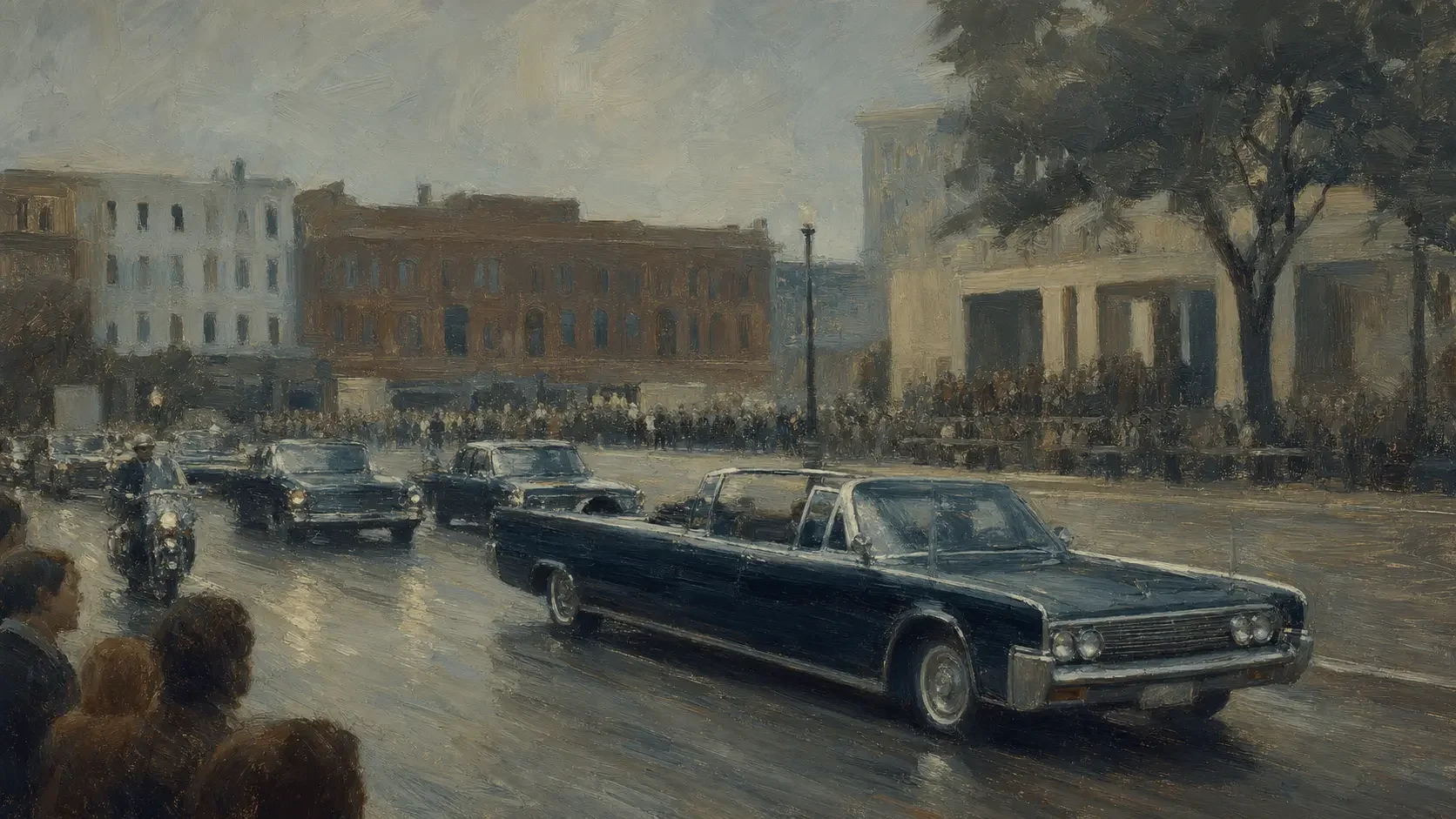
The Civil Rights Act of 1964 emerged from a long struggle against racial segregation and discrimination, intensified by the modern civil rights movement’s campaigns, court challenges, demonstrations, and voter organizing. In 1963, violent responses to civil rights protests in Birmingham, Alabama, and the March on Washington helped keep demands for federal action before the country. President John F. Kennedy proposed comprehensive civil rights legislation in June 1963, calling for stronger protections in public accommodations, education, voting, and employment. After Kennedy’s assassination that November, President Lyndon B. Johnson made passage of the bill a major priority and urged Congress to complete the work.
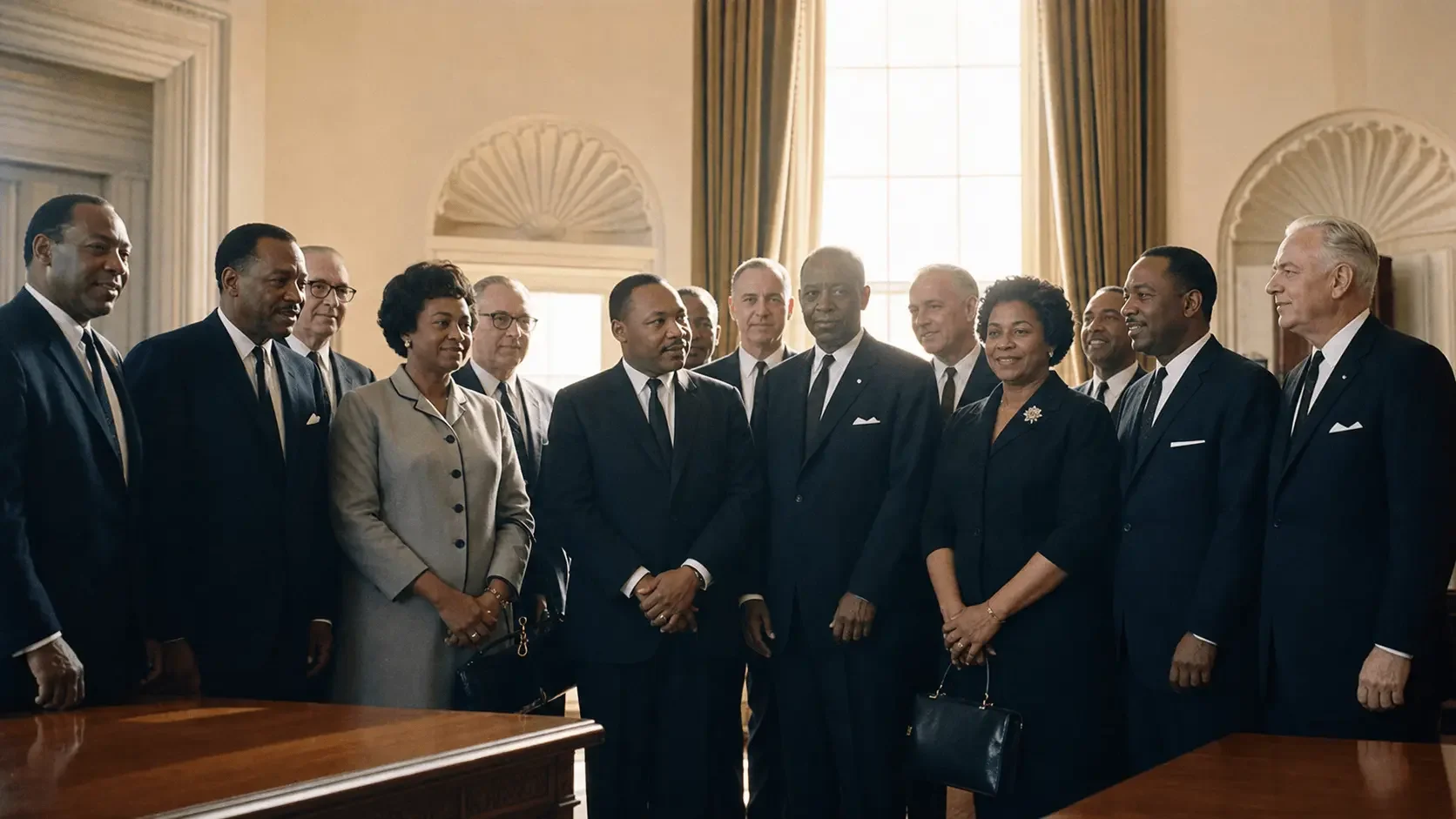
The legislation faced determined resistance, especially in the Senate. The House passed H.R. 7152 in February 1964, after which Senate supporters built a bipartisan coalition to overcome a prolonged filibuster. Democratic leaders Mike Mansfield and Hubert Humphrey worked with Republican leader Everett Dirksen and others to assemble the votes needed for cloture. On June 10, the Senate voted 71–29 to end debate—the first successful cloture vote on a civil rights bill under the Senate’s Rule XXII. The Senate approved the measure on June 19, and on July 2 the House accepted the Senate version. President Johnson signed the Civil Rights Act into law that evening in the East Room of the White House.
The law attacked discrimination through several distinct provisions rather than a single broad prohibition. Title II barred discrimination in many places of public accommodation; other provisions authorized federal action related to school desegregation and prohibited discrimination in programs receiving federal financial assistance. Title VII barred employment discrimination based on race, color, religion, sex, or national origin and created the Equal Employment Opportunity Commission. The act gave the federal government stronger legal tools to challenge practices that state and local authorities had maintained for generations, although implementation and enforcement required continued litigation, organizing, administrative action, and additional legislation.
The Civil Rights Act became a central legal foundation of the postwar civil rights era. It did not eliminate racial inequality or settle every question of voting access, housing discrimination, or economic opportunity, but it significantly expanded federal responsibility for protecting civil rights in public life and employment. Its passage also demonstrated that a sustained civil rights movement, presidential leadership, and a bipartisan congressional coalition could overcome entrenched legislative resistance. The Voting Rights Act of 1965 and Fair Housing Act of 1968 addressed major areas that the 1964 law did not fully resolve, while Title VII became an enduring basis for federal employment-discrimination law.
Several places provide direct connections to the law’s creation and preservation. The U.S. Capitol is where the House and Senate conducted the decisive debates and votes, and the White House East Room was the setting for Johnson’s July 2 signing ceremony. The National Archives in Washington preserves the enrolled act among the records of the federal government, while the Lyndon B. Johnson Presidential Library in Austin holds extensive records and exhibits connected to Johnson’s civil rights agenda and the passage of the legislation.
Last updated August 13, 2026