About Chieftains Museum/Major Ridge Home
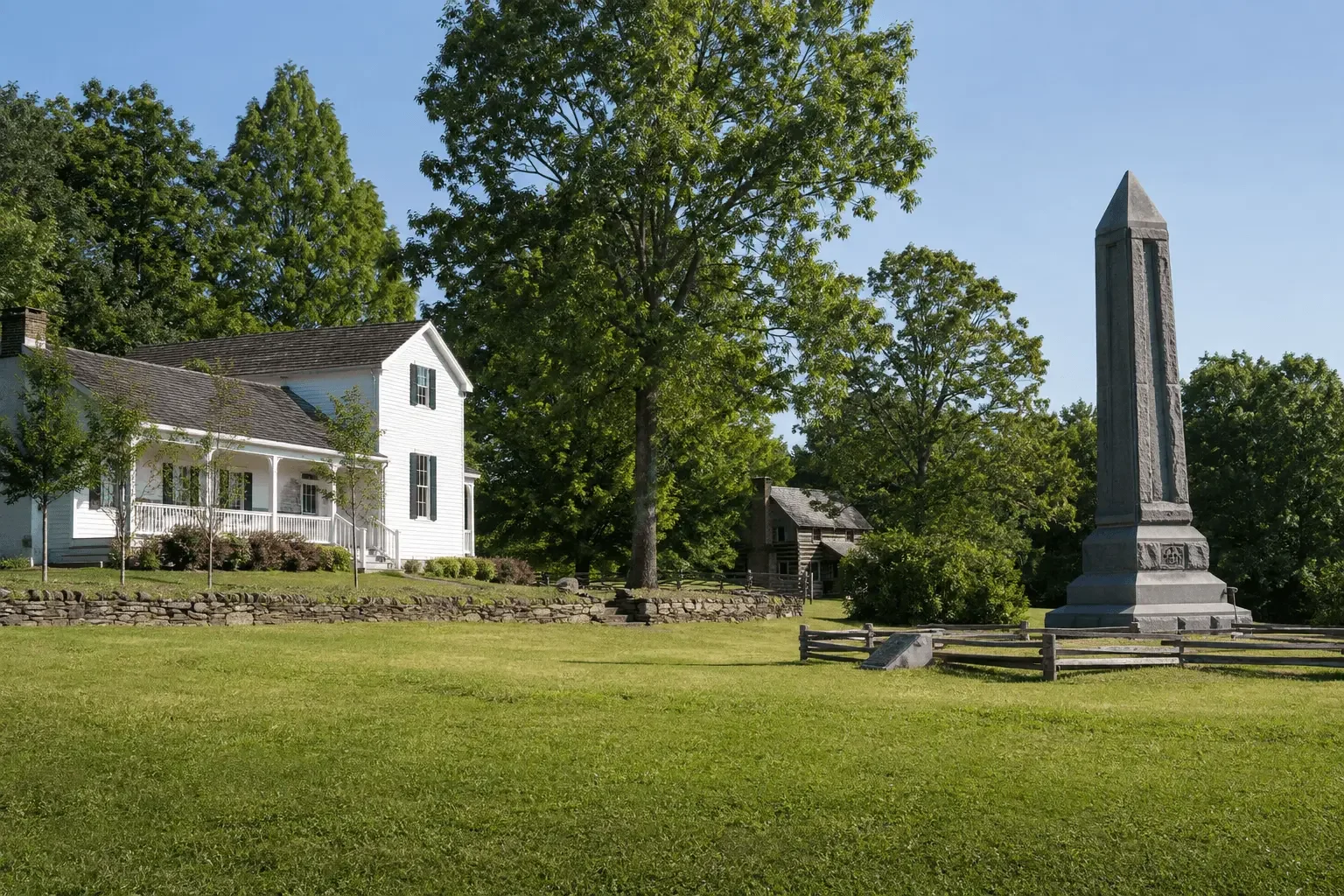
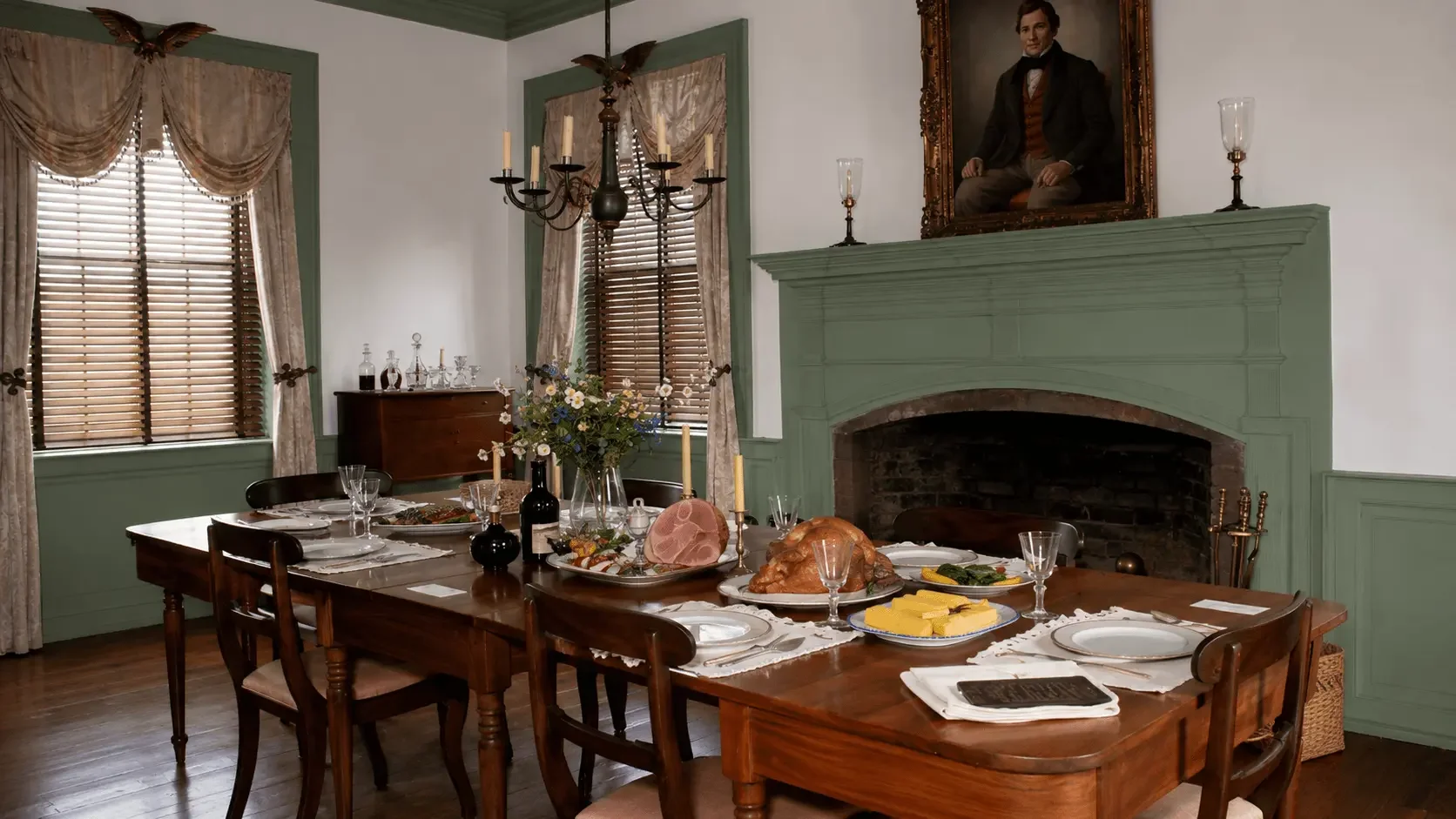
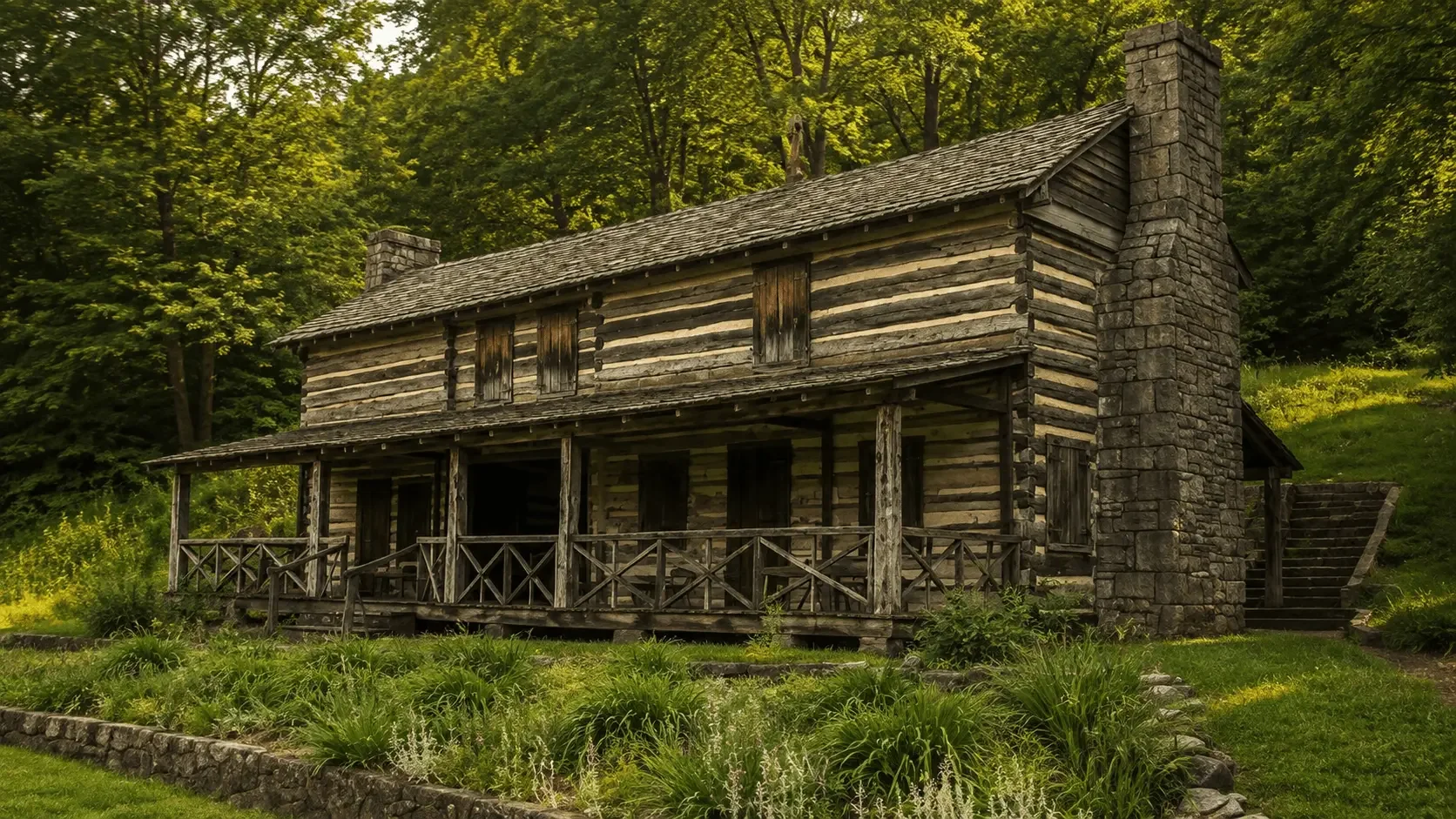
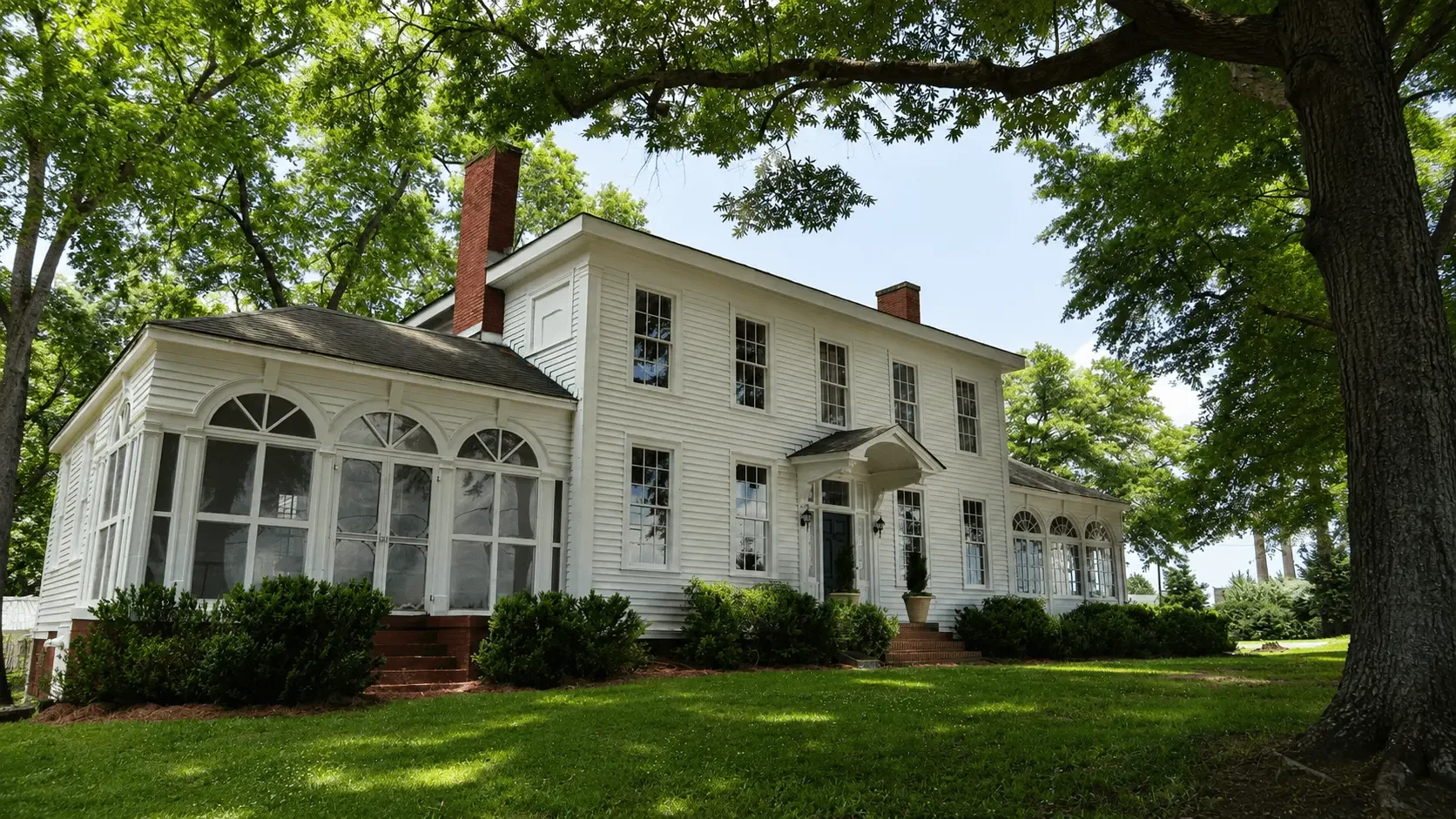
Chieftains Museum/Major Ridge Home preserves the former home and property of Major Ridge, an influential nineteenth-century Cherokee leader whose life became closely tied to the political crisis over removal. The historic house stands along the Oostanaula River in Rome and is recognized as a National Historic Landmark as well as a certified site on the Trail of Tears National Historic Trail.
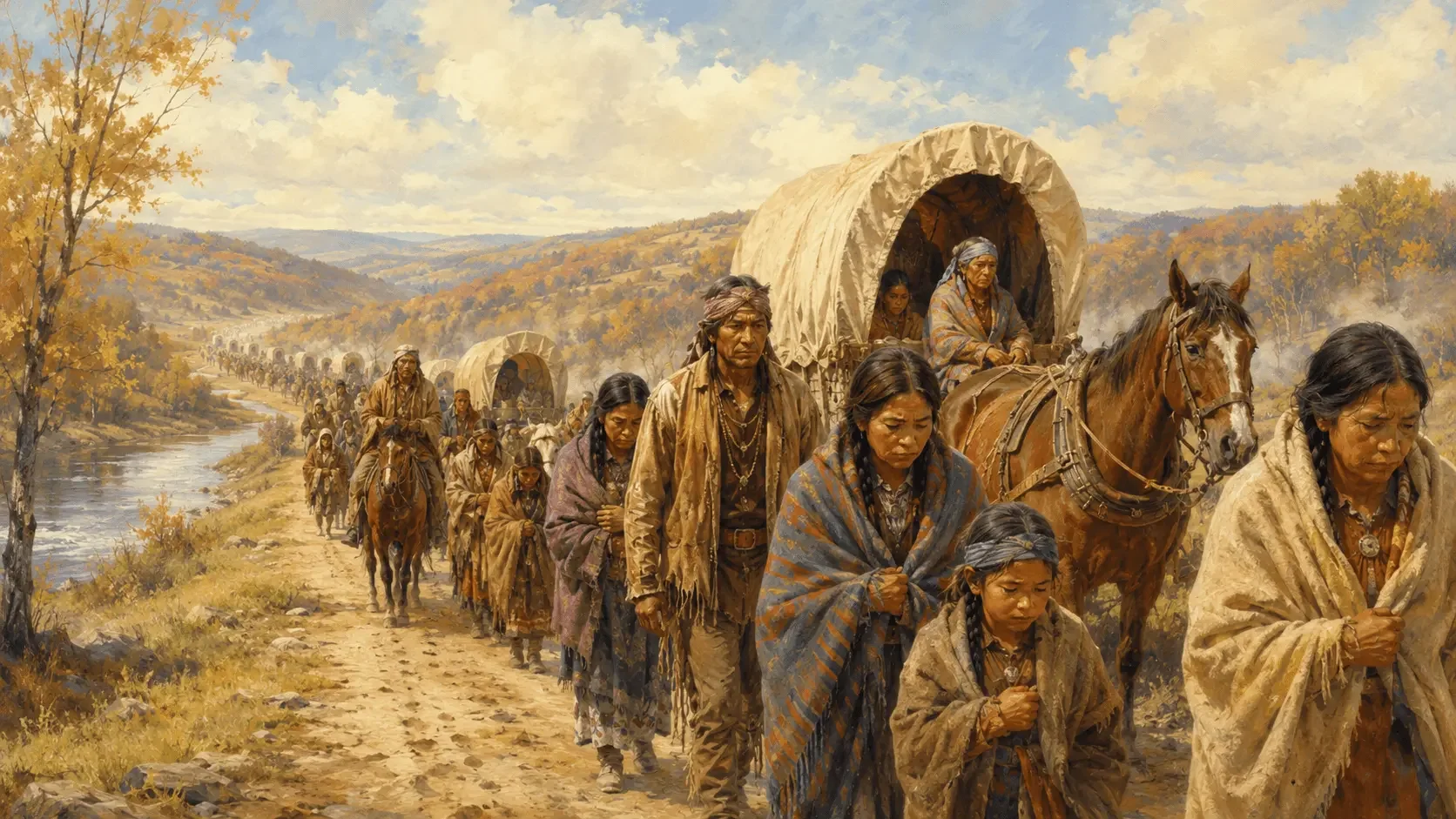
Major Ridge initially opposed removal but later became a leading member of the Treaty Party, which concluded that relocation had become unavoidable. Ridge, his son John Ridge, and other Treaty Party leaders signed the 1835 Treaty of New Echota, an agreement rejected by most Cherokee citizens but used by the United States to compel the nation's removal west. The museum interprets that division within the Cherokee Nation while also examining the Ridge family's household, plantation, ferry operation, and the lives of people connected to the property.
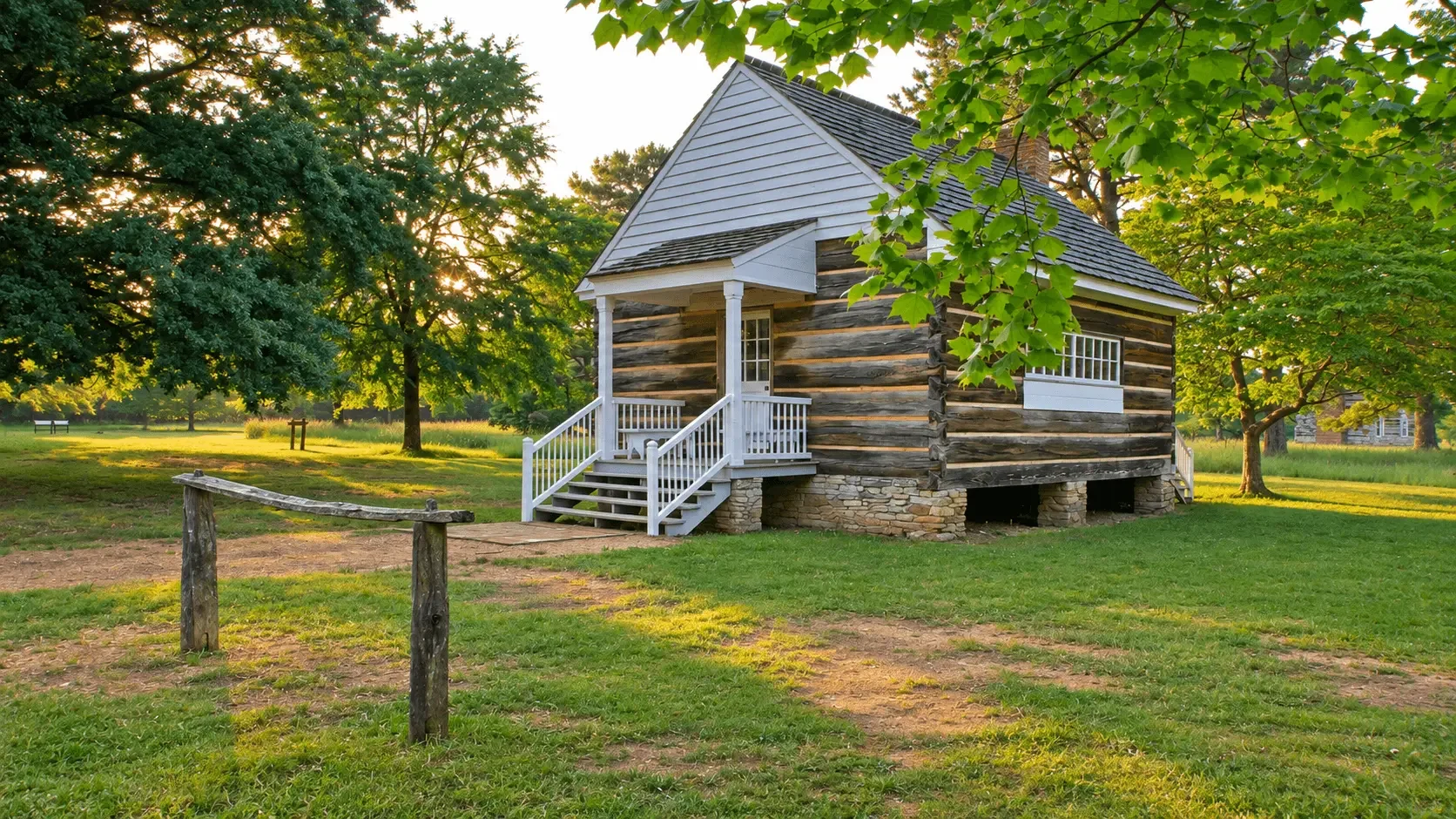
Visitors can tour the historic home and permanent or changing exhibitions, walk the riverfront grounds, see interpretive signage and demonstration gardens, and connect to Rome's Riverwalk. The relatively intimate scale of the property makes it a focused stop for understanding Major Ridge as a person and the profound consequences of the political decisions made during the removal era.