About Malakoff Diggins State Historic Park
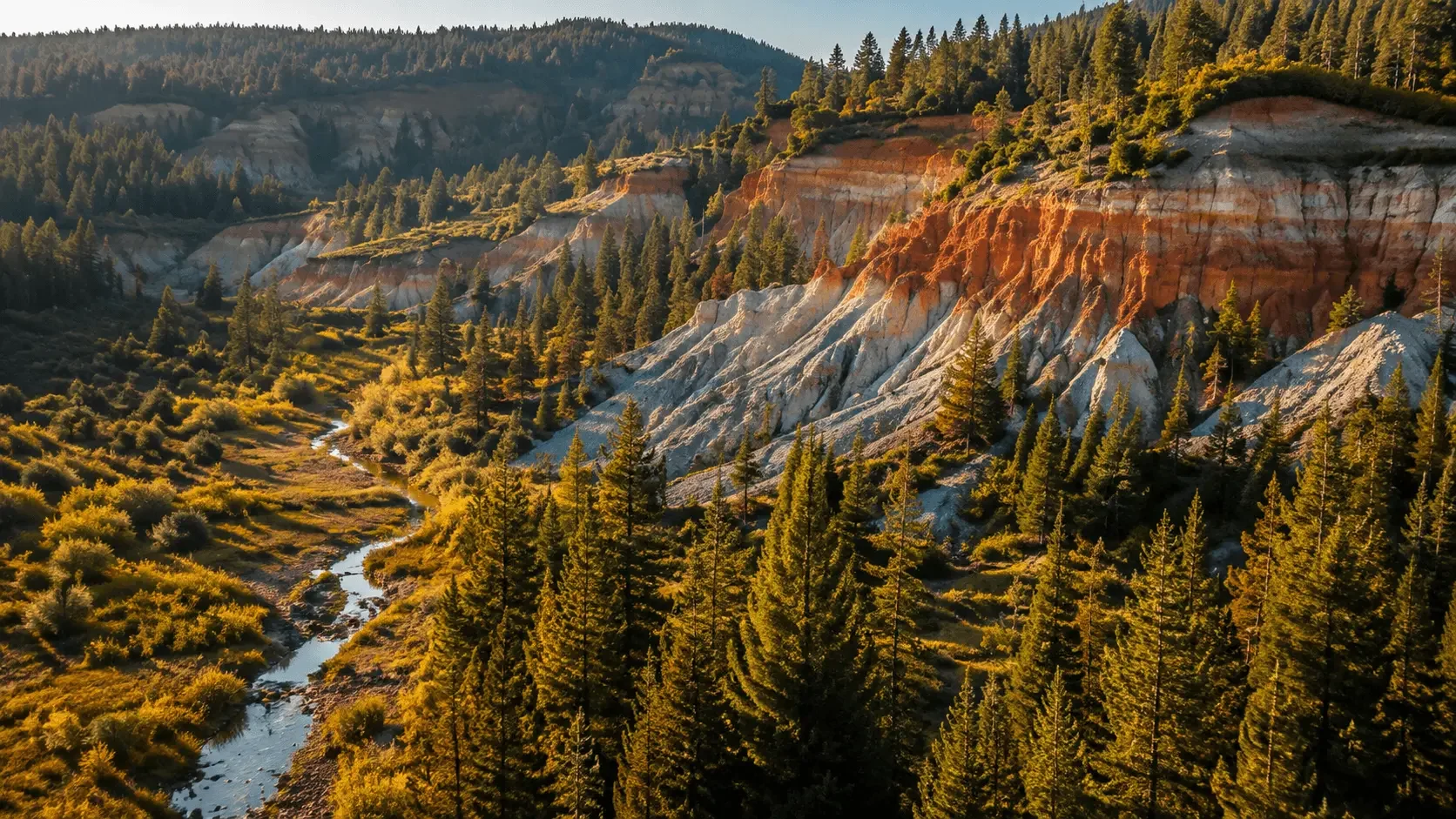
Malakoff Diggins State Historic Park protects the remains of California’s largest hydraulic gold-mining operation and the historic town of North Bloomfield. Miners used powerful water cannons to wash away entire hillsides in search of gold, leaving the enormous, multicolored cliffs and exposed ancient river deposits that define the park’s landscape today.
The mine’s sediment damaged rivers and agricultural lands downstream, helping provoke the legal struggle that culminated in the 1884 Sawyer decision restricting hydraulic mining. The park therefore interprets not only Gold Rush technology and community life, but also an early landmark in American environmental law and the long-lasting consequences of industrial-scale resource extraction.
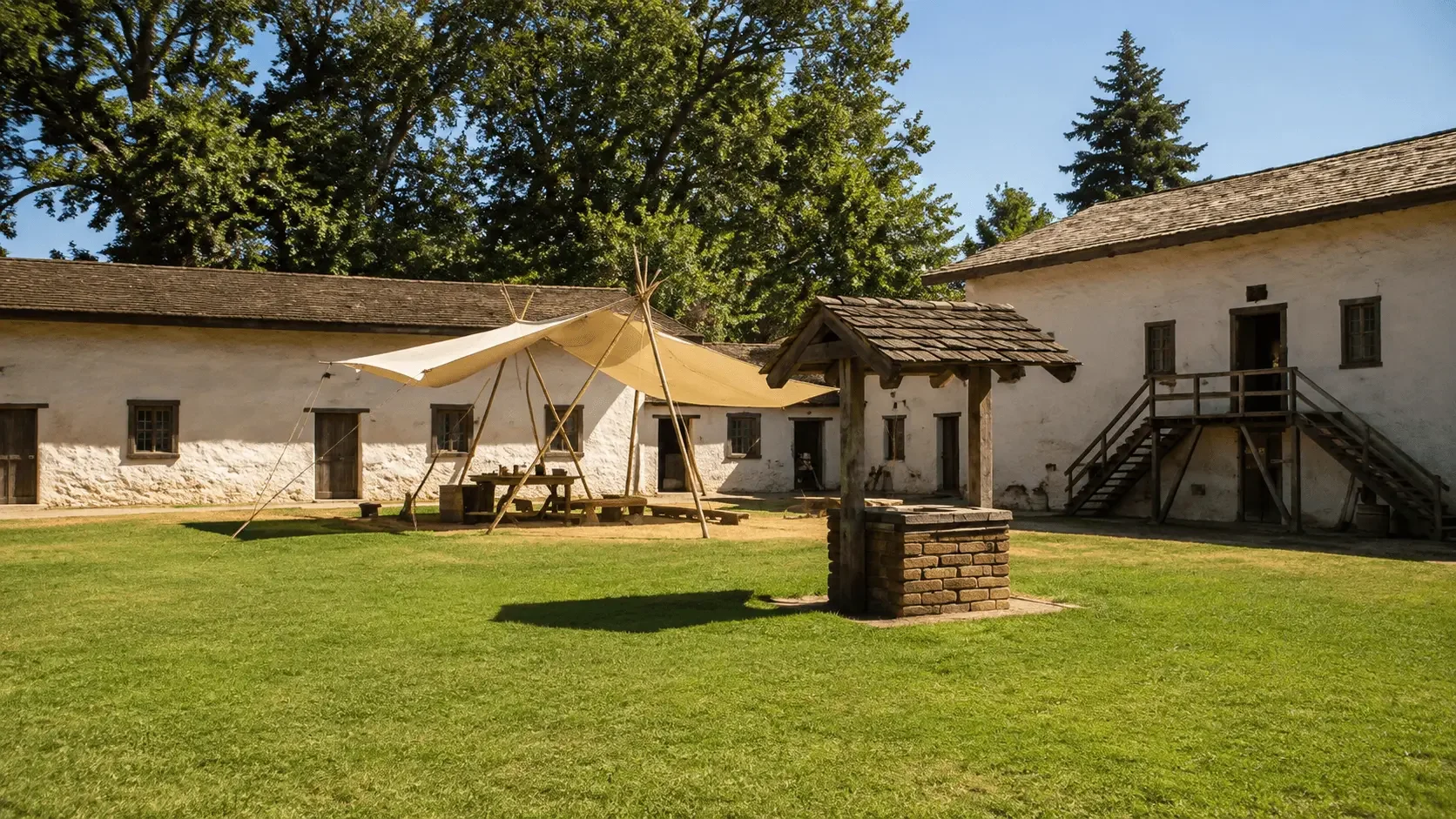
Visitors can tour the North Bloomfield historic district, visit the museum and visitor center, see preserved homes and commercial buildings, and hike more than twenty miles of trails around the Diggins, forest, and Humbug Creek. Its remote setting and unusually visible mining scars make it one of the most powerful places in California to understand both the achievements and costs of the Gold Rush.