
About This Event
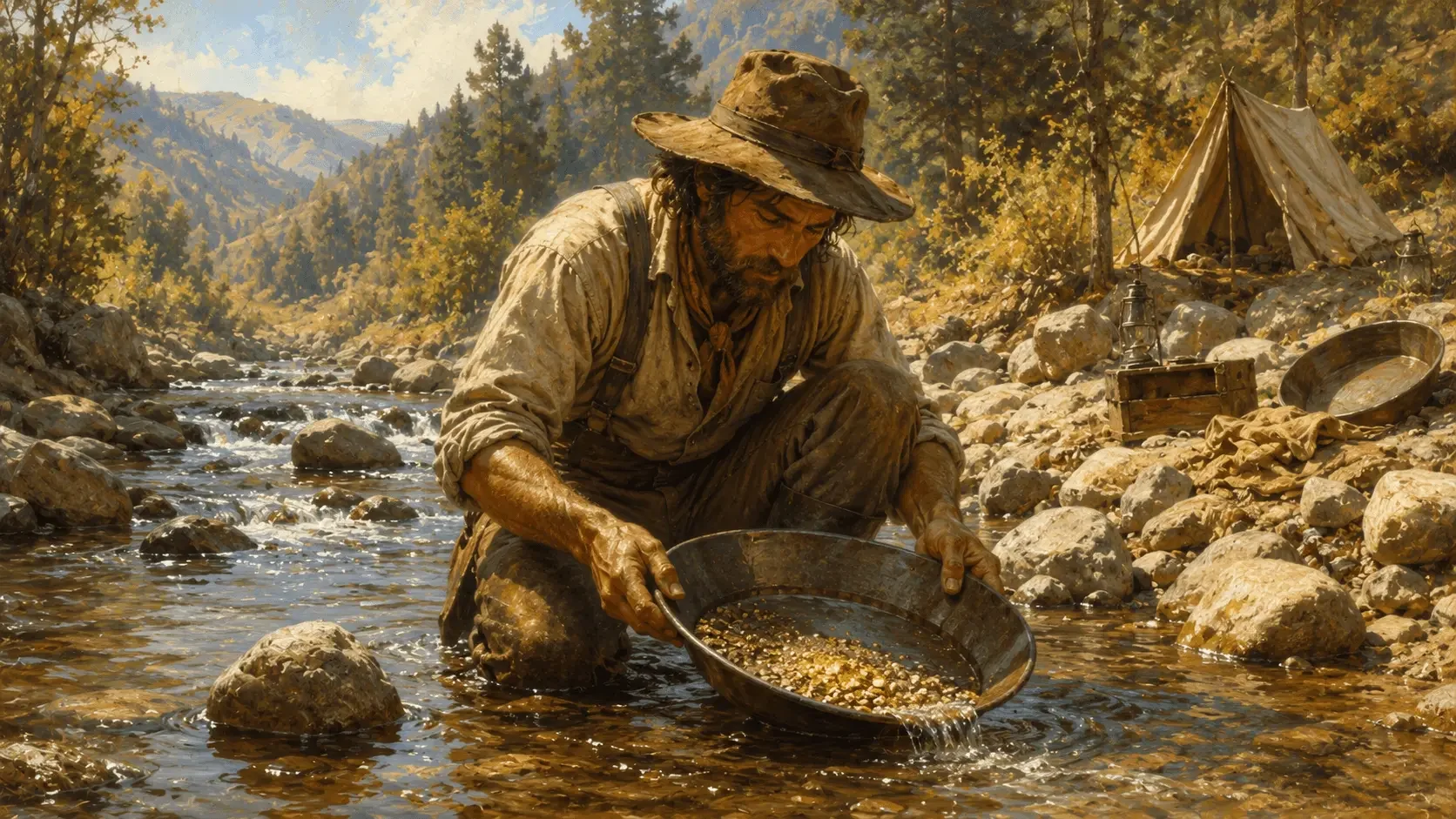
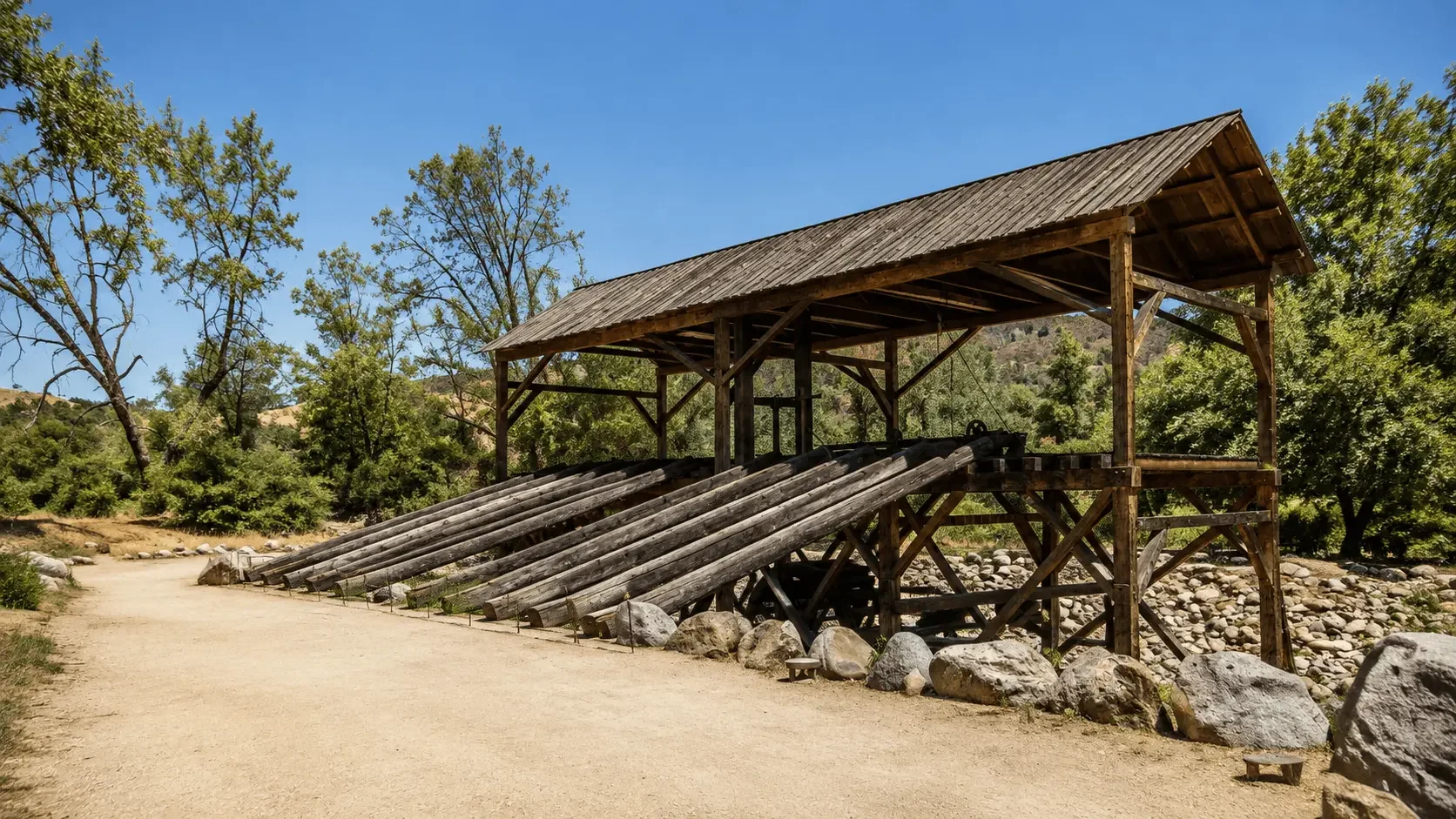
The California Gold Rush began on January 24, 1848, when carpenter James W. Marshall discovered gold in the tailrace of a sawmill he was building for John Sutter at Coloma on the South Fork of the American River. The discovery came as California was passing from Mexican to United States control at the end of the Mexican-American War. News spread first within California, drawing workers away from farms, businesses, and settlements toward the Sierra Nevada foothills. President James K. Polk’s confirmation of the discovery late in 1848 helped turn regional excitement into an international rush.
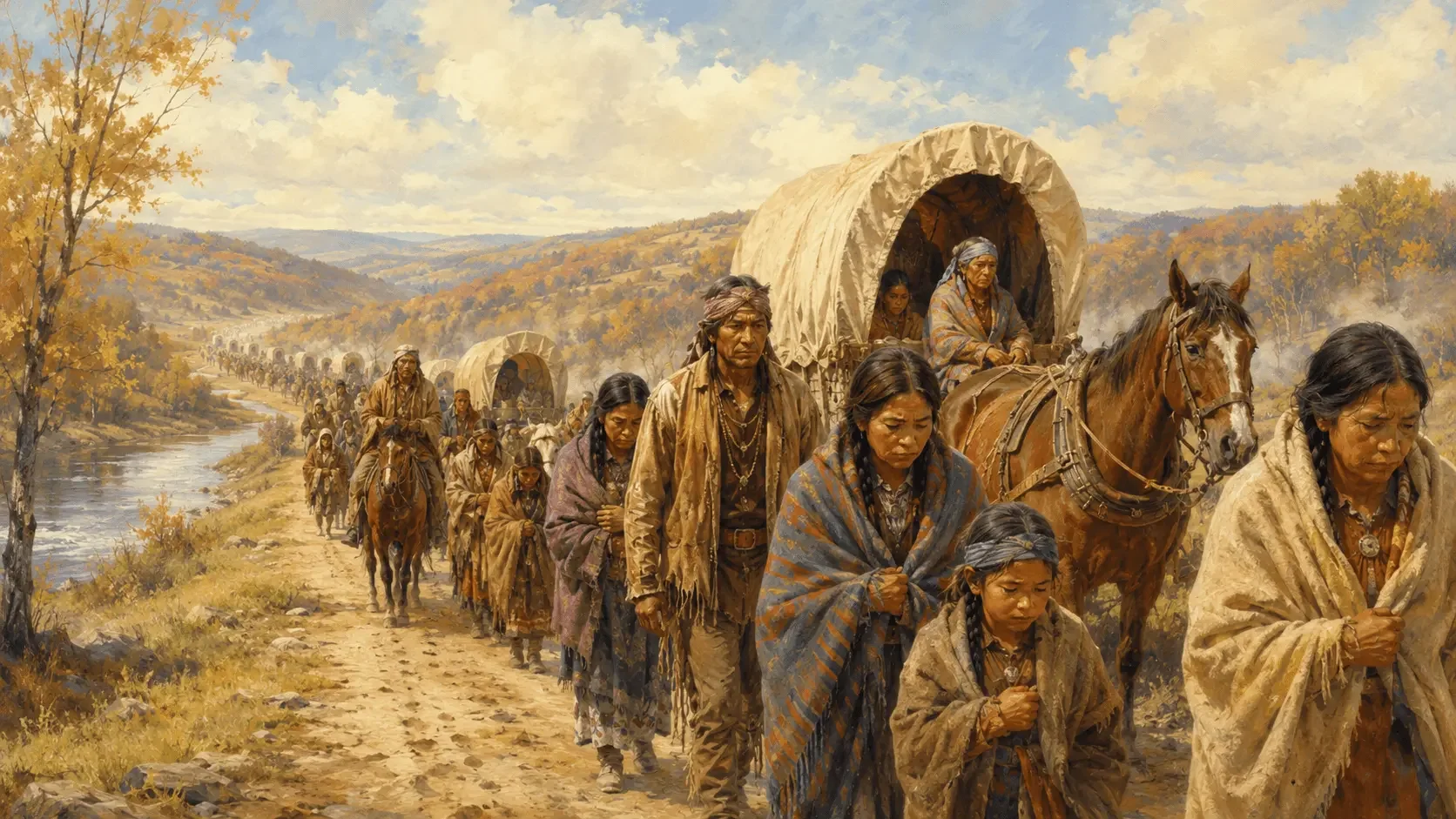
In 1849, tens of thousands of newcomers—soon known collectively as “forty-niners”—headed for California. Some crossed the continent by wagon, while others sailed around Cape Horn or took shorter sea-and-land routes across Central America. Mining camps appeared along rivers and creeks in the Sierra Nevada foothills, and settlements such as Sacramento and San Francisco expanded at extraordinary speed. Early miners often worked placer deposits with pans, rockers, and sluices; as easily reached deposits declined, larger operations used more capital-intensive techniques. Merchants, transportation businesses, boardinghouses, farms, and supply firms grew alongside the mines, and many people found steadier opportunities serving miners than searching for gold themselves.
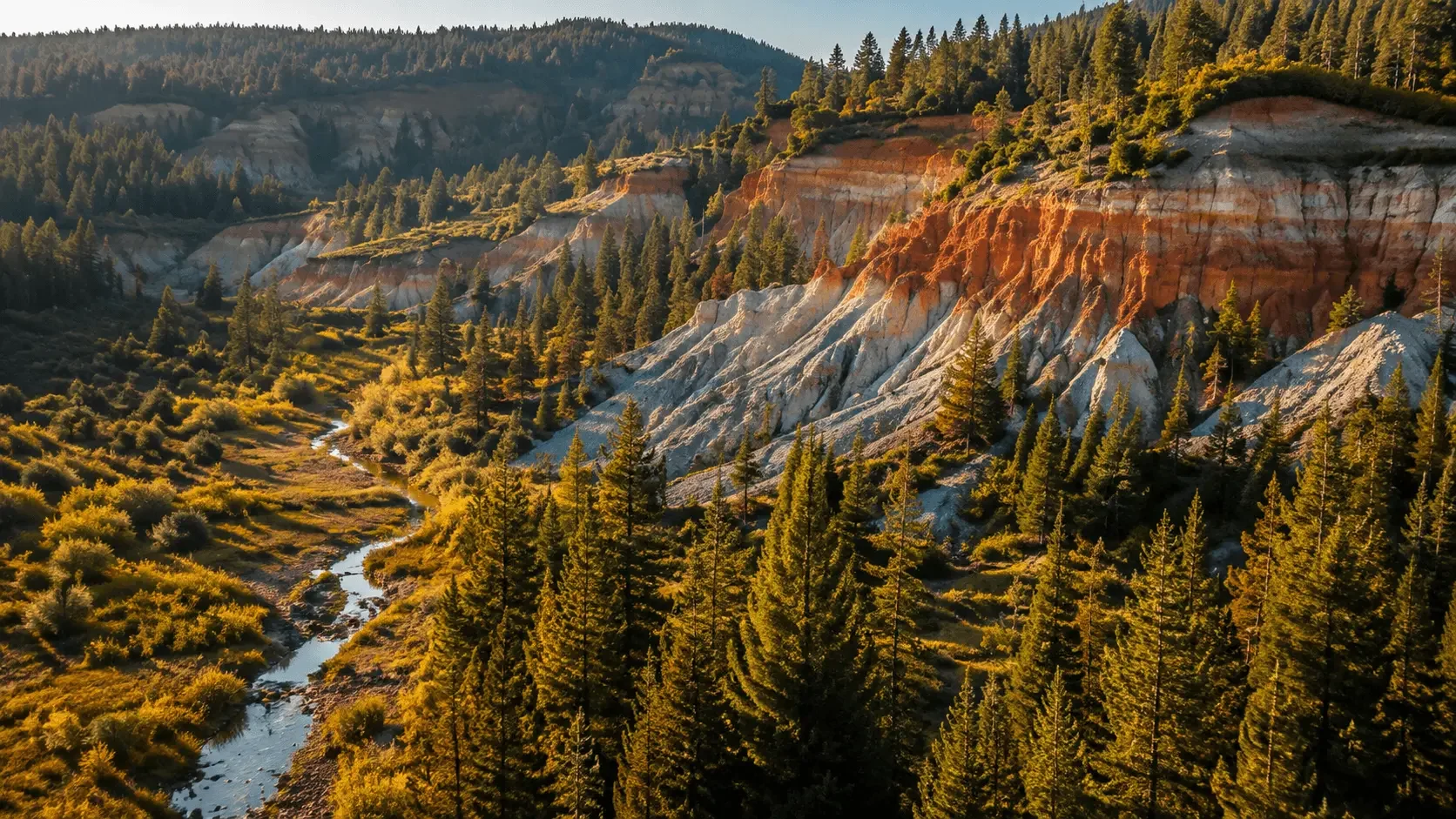
The rush created wealth and economic growth, but its costs were distributed unevenly. California’s Indigenous peoples faced land seizure, violence, disease, forced labor, disrupted food systems, and large-scale population loss as mining and settlement invaded their homelands. Mexican Californians and miners from Latin America, Europe, China, Australia, and elsewhere encountered shifting laws, taxes, discrimination, and sometimes mob violence. Mining also reshaped rivers and landscapes, leaving environmental damage that extended well beyond the period of the rush. At the same time, the influx of settlers accelerated California’s admission to the Union in 1850 and tied the Pacific coast more closely to national and global commerce.
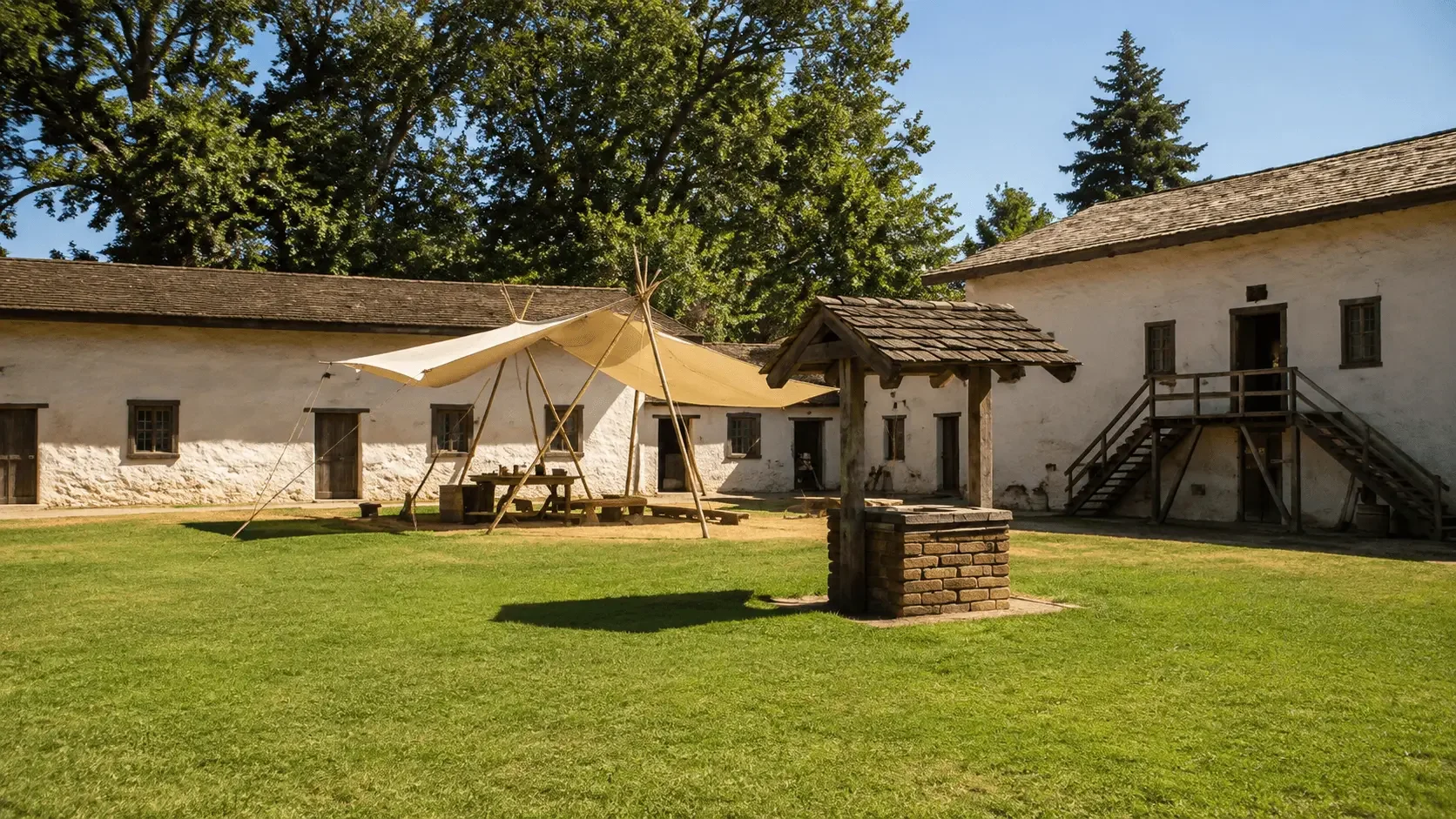
Historians usually treat the main California Gold Rush period as extending from 1848 into the mid-1850s, when the character of mining and migration changed. Its significance reaches much further. The rush sped U.S. expansion across the continent, encouraged new transportation and commercial networks, and made California a major destination for global migration. It also intensified dispossession of Native communities and helped produce racial and legal conflicts that shaped the state for decades. Today, visitors can stand near the discovery site at Marshall Gold Discovery State Historic Park in Coloma, explore Sutter’s Fort in Sacramento, and walk through preserved Gold Rush-era buildings at Columbia State Historic Park, where the physical landscape helps connect the migration boom to the communities it created and displaced.
Last updated August 13, 2026