About Marshall Gold Discovery State Historic Park
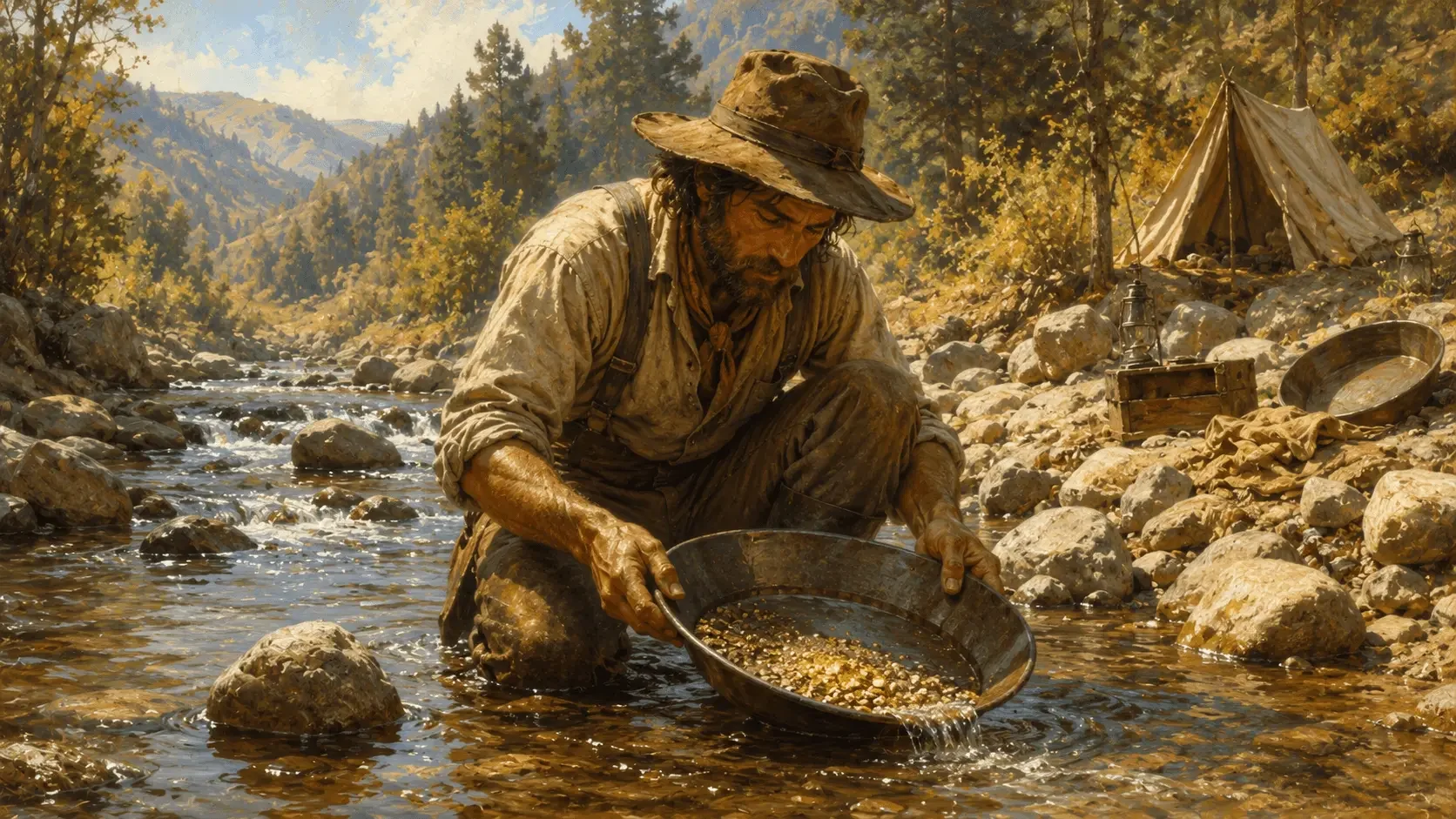
Marshall Gold Discovery State Historic Park preserves the place along the South Fork of the American River where James W. Marshall found gold in the tailrace of Sutter’s sawmill in January 1848. The discovery triggered the California Gold Rush, accelerated migration and settlement in the West, and brought profound economic, environmental, and human consequences for California’s Indigenous peoples and the many communities drawn to the region.
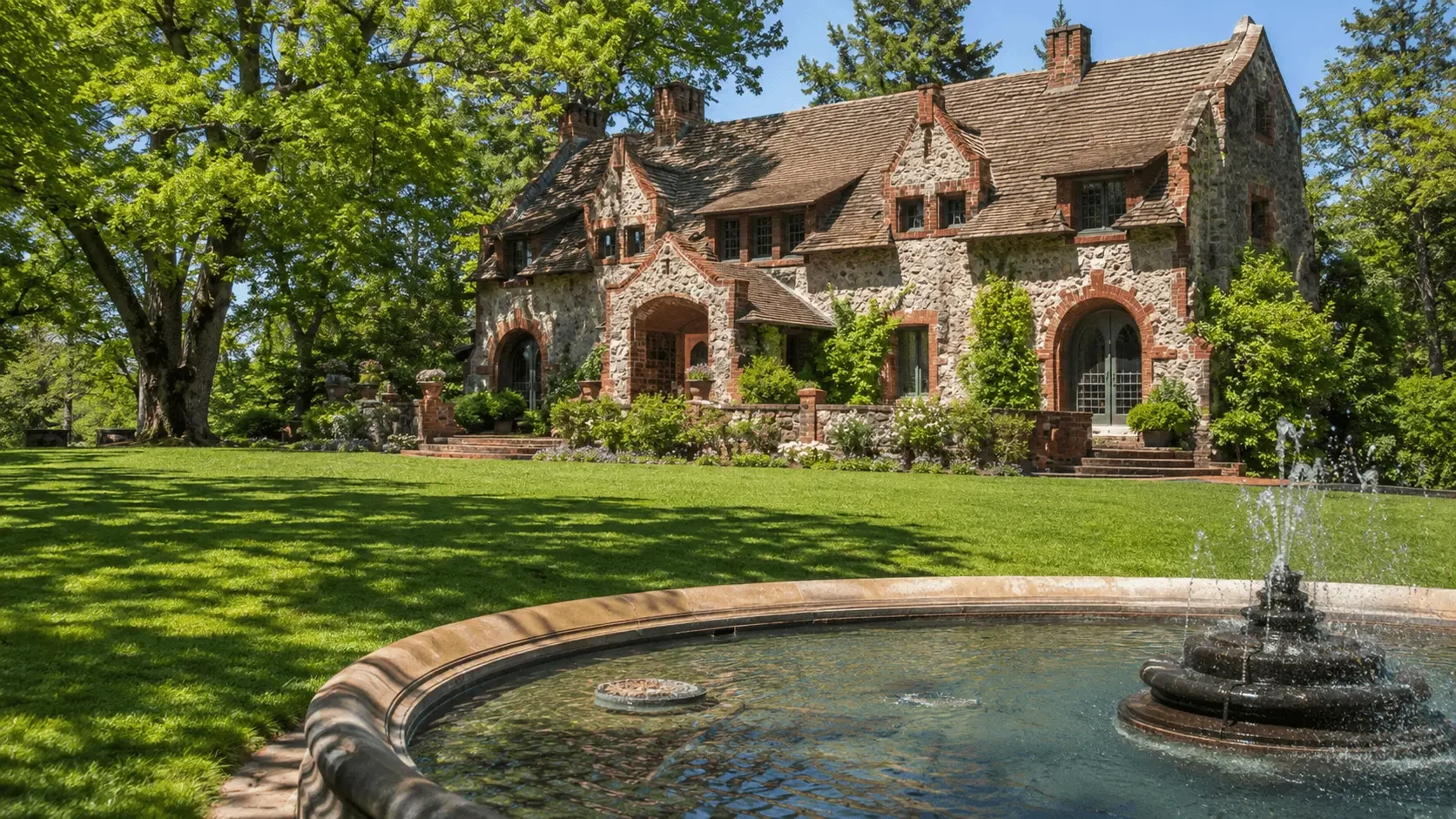
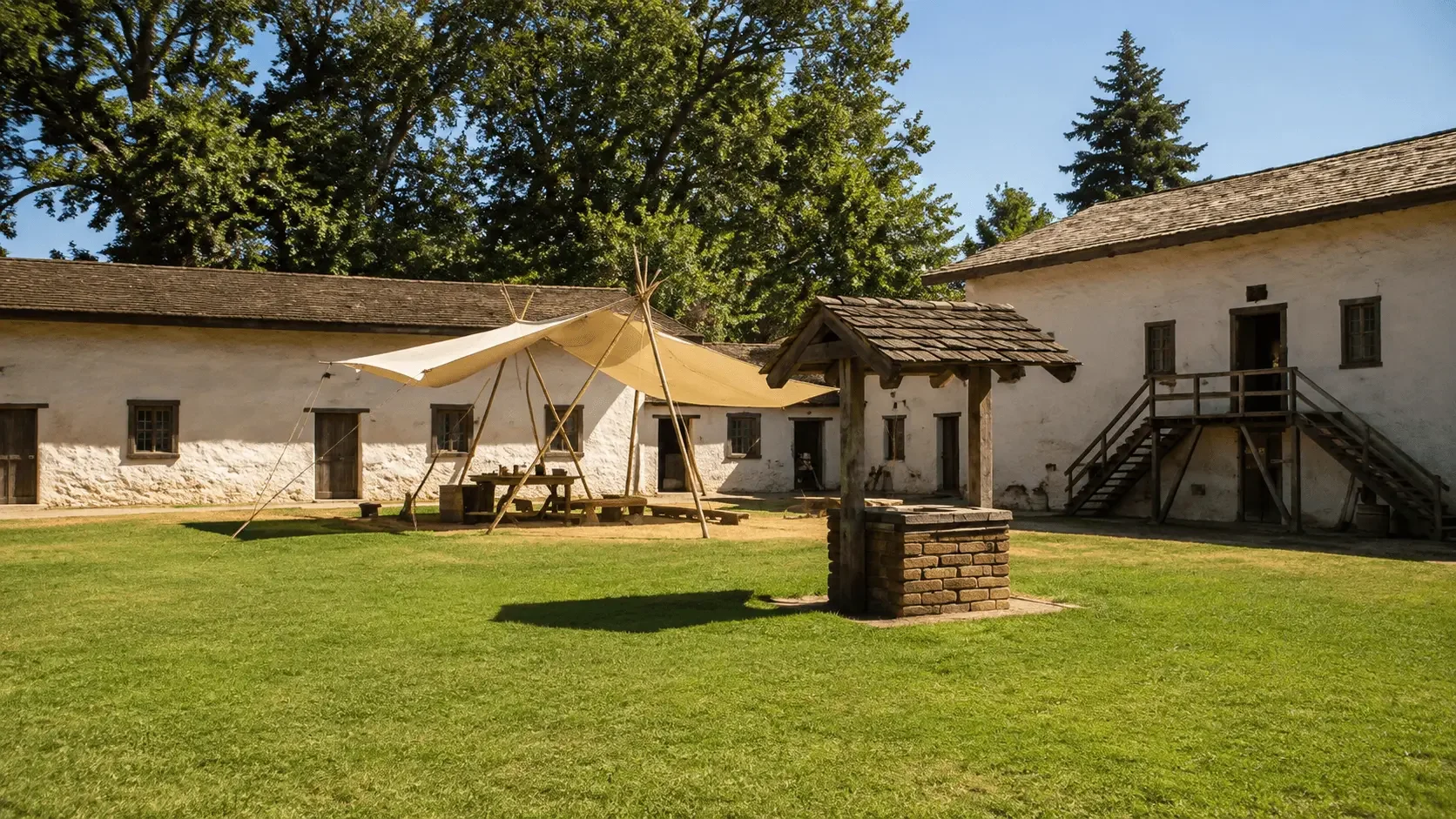
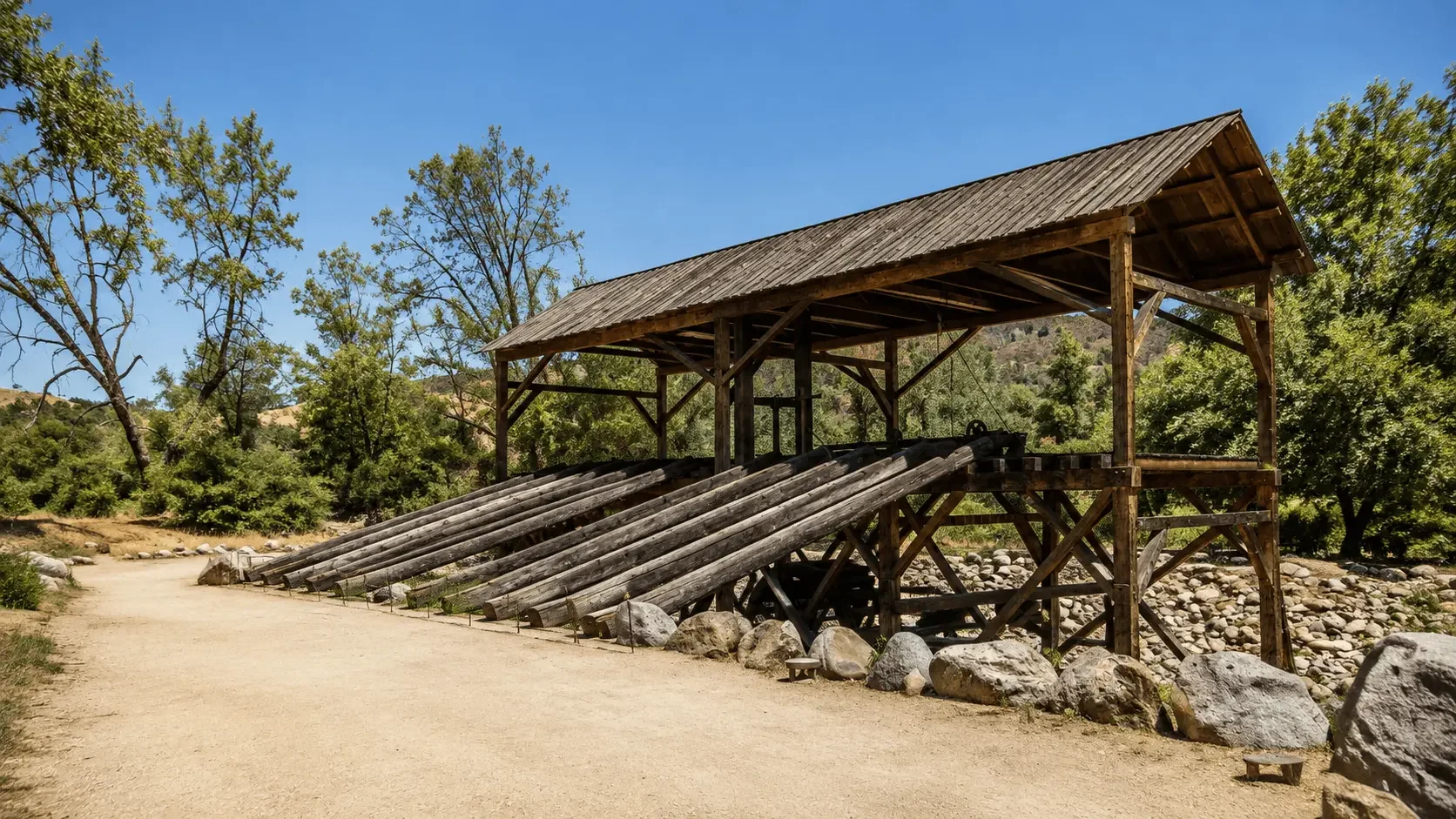
The park encompasses much of historic Coloma and includes a reconstruction of Sutter’s sawmill, the visible mill tailrace, the Gold Discovery Museum, surviving Gold Rush-era buildings, mining exhibits, and the hilltop monument and grave of James Marshall. Interpretation addresses the discovery itself as well as the experiences of Native Californians, miners, merchants, immigrants, and families whose lives were reshaped by the rush for gold.
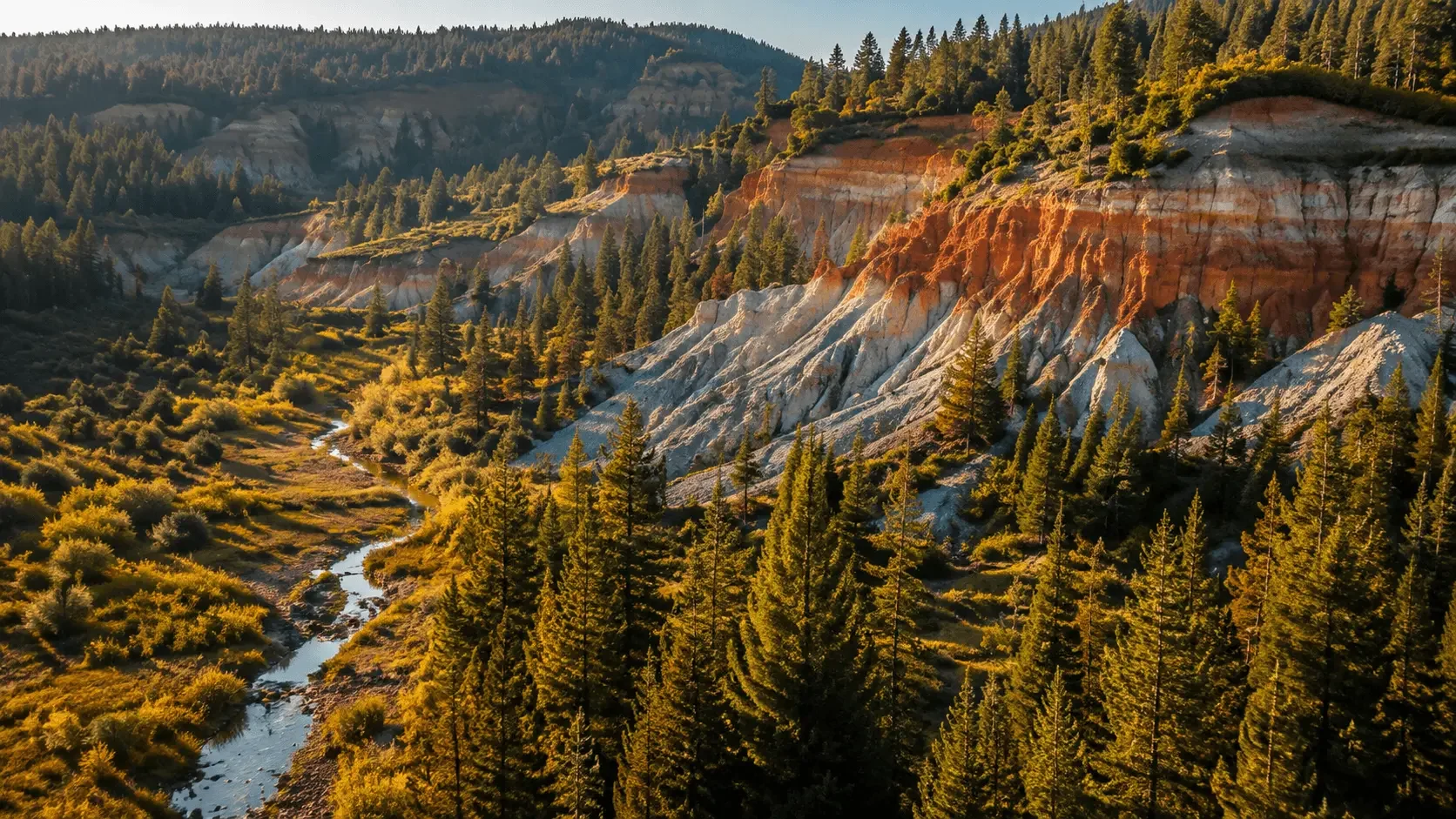
Visitors can explore the historic townscape, walk riverside and woodland trails, join guided Gold Discovery tours when offered, and learn traditional gold-panning techniques in scheduled lessons. Few places allow travelers to stand so close to the physical setting of an event that redirected California and United States history.