About Sutter's Fort State Historic Park
Sutter’s Fort State Historic Park preserves and interprets the center of John Sutter’s New Helvetia settlement, established in the Sacramento Valley beginning in 1839. The fort became a regional hub for agriculture, trade, immigration, and overland travel, while its industries depended heavily on the exploited labor of Native Californians and workers from other cultural communities.
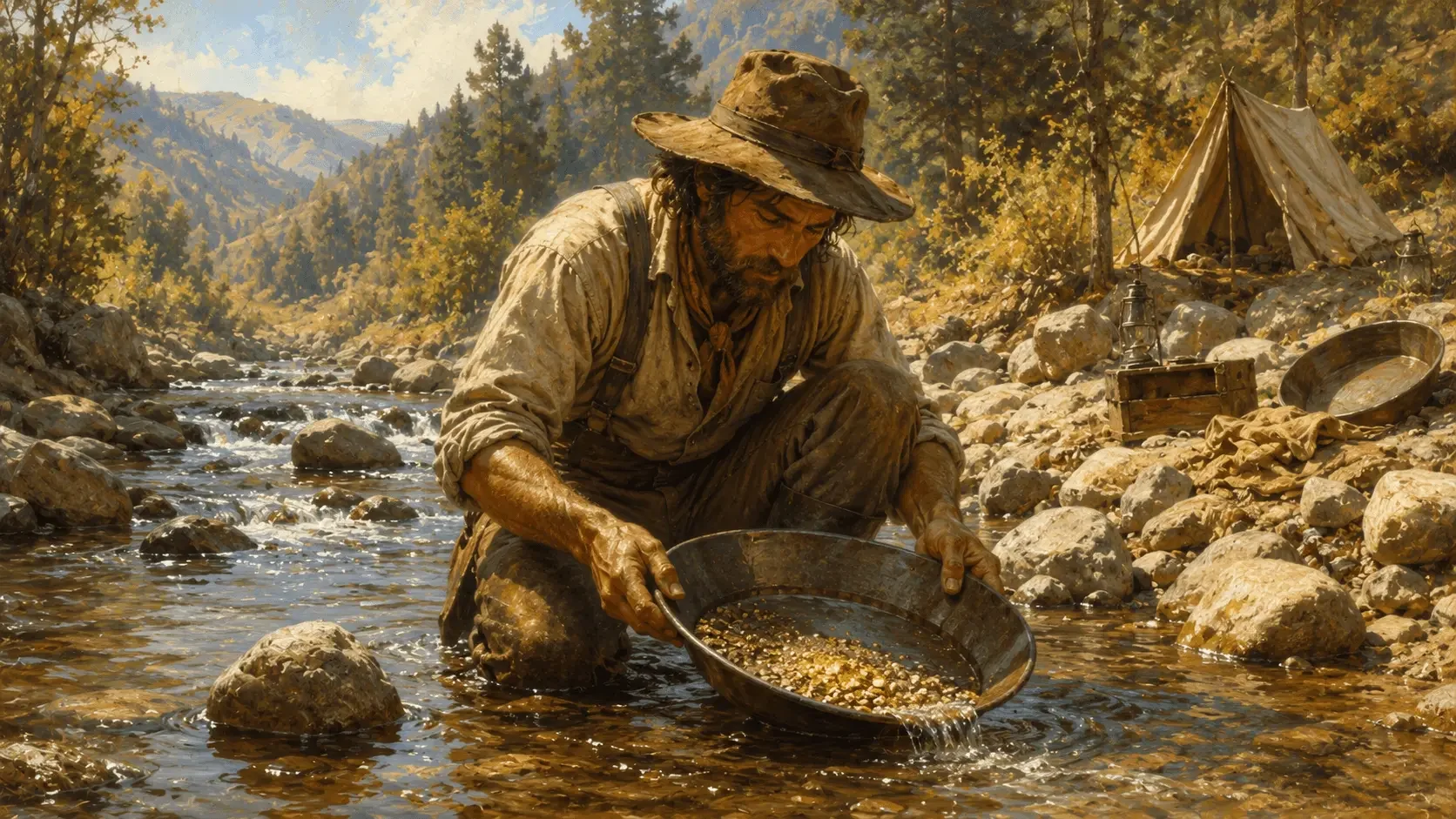
The site is closely connected to the California Gold Rush: James Marshall brought evidence of his Coloma gold discovery to John Sutter at the fort in 1848, and the rush that followed rapidly undermined Sutter’s enterprise while intensifying displacement and violence against Indigenous peoples. Although most of the present fort is a late-nineteenth-century reconstruction, the central building retains original fabric and the complex remains one of California’s most recognizable early historic landmarks.
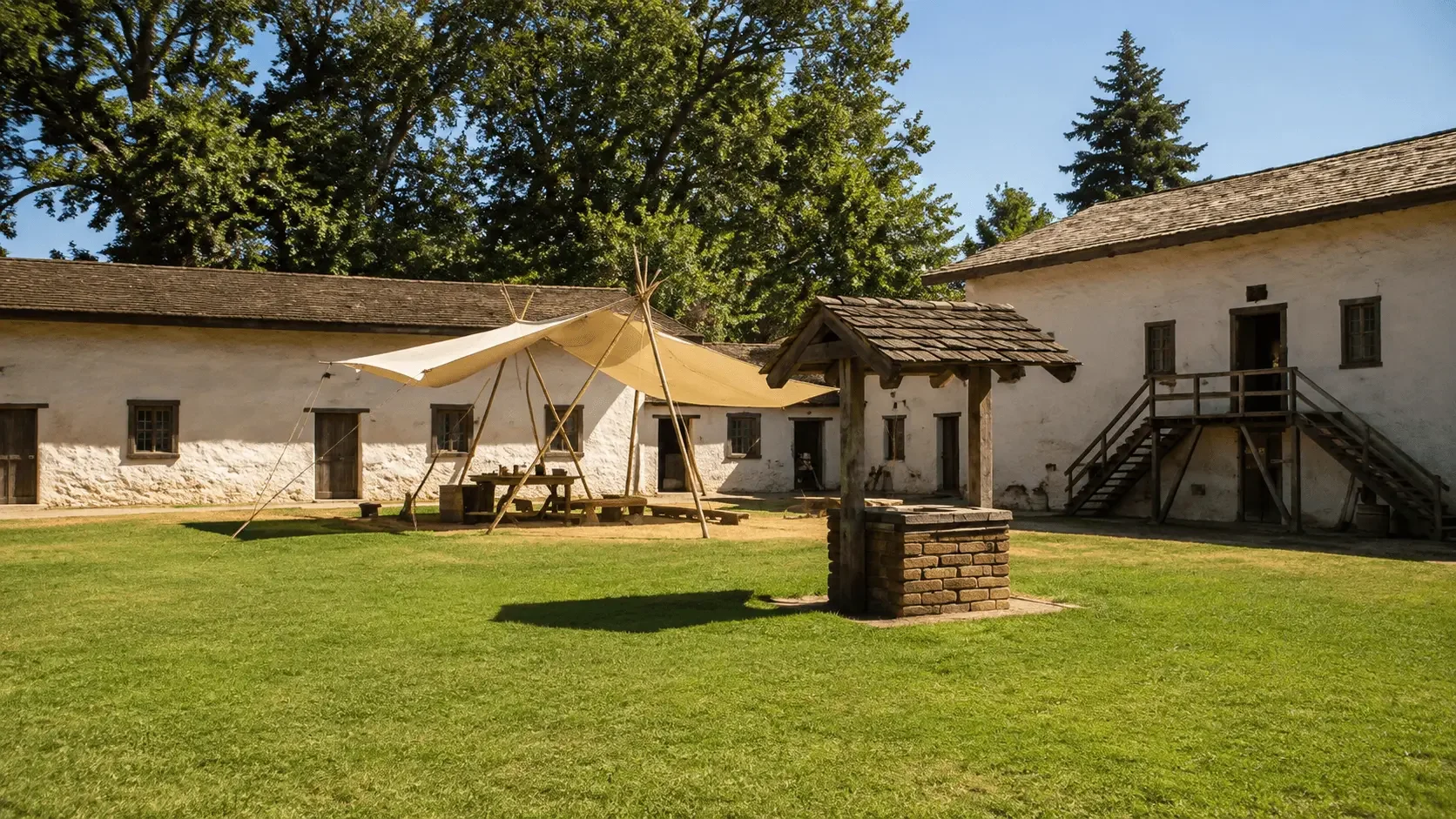
Self-guided visitors can enter through the east gate, walk the large central courtyard, and explore furnished rooms, workshops, exhibits, and interpretive spaces presenting the experiences of Native peoples, Mexican Californians, European and American settlers, Hawaiian laborers, and overland migrants. Its location in Midtown Sacramento makes it an accessible place to encounter the complicated origins of California’s capital and statehood-era transformation.